
What Does a Drain Patch Liner Actually Cost?
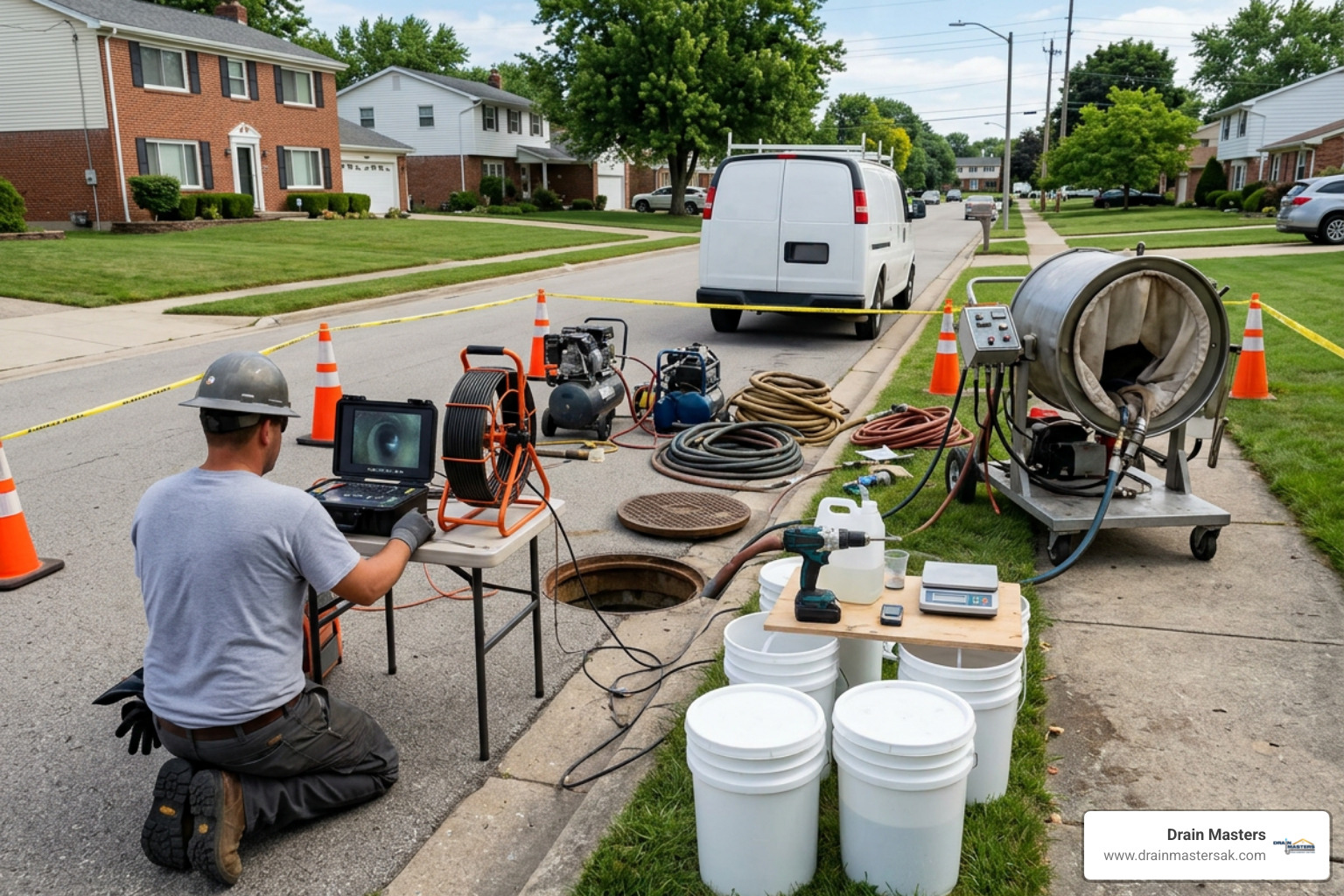
Drain patch liner cost is one of the most common questions homeowners ask when a CCTV inspection turns up a cracked joint, a root-damaged section, or a localized spot of corrosion in an otherwise sound pipe. While exact pricing depends on several site-specific factors, understanding the general range of trenchless solutions can help you make an informed decision.
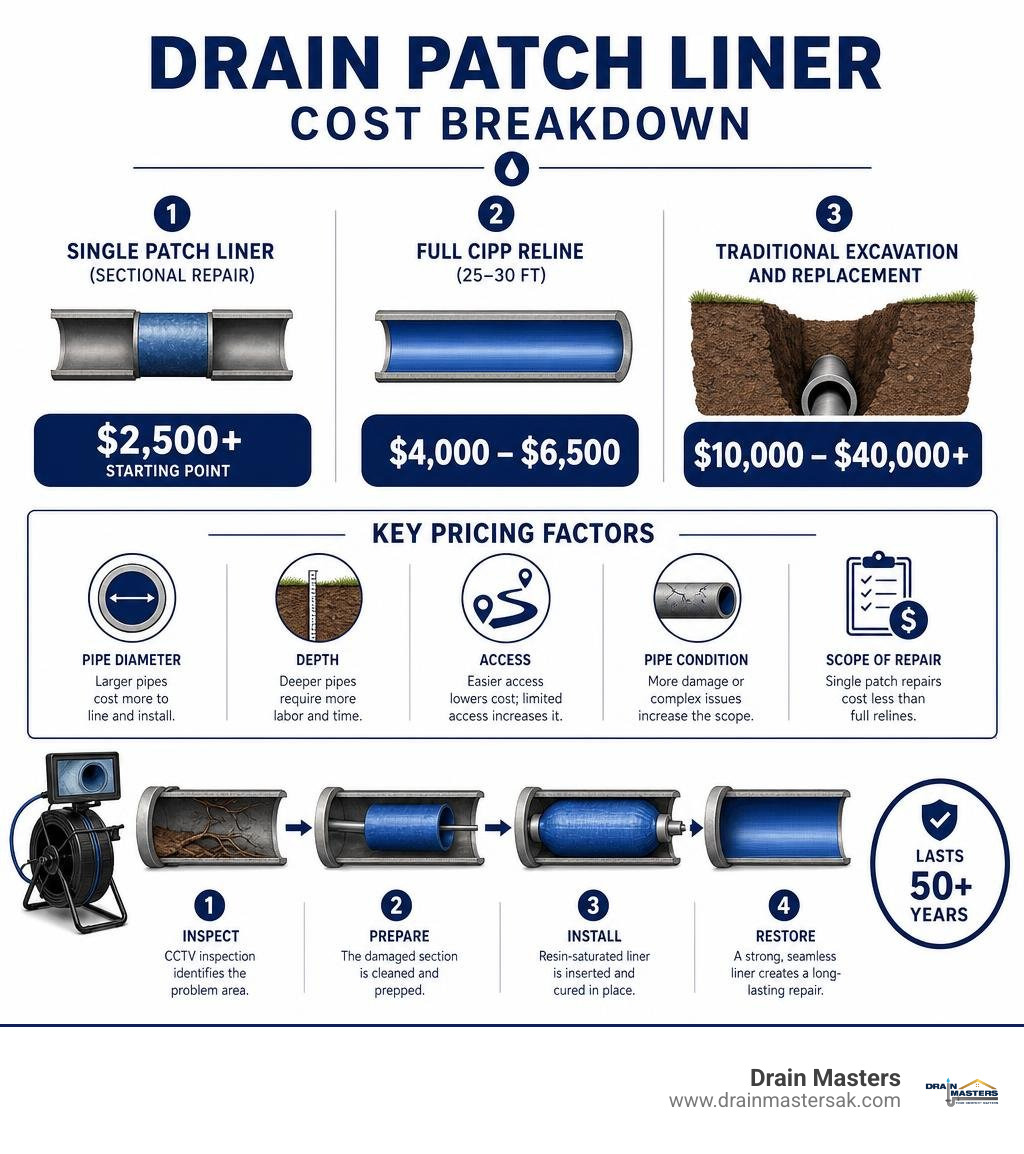
| Repair Type | Typical Cost Range |
|---|---|
| Single patch liner (sectional repair) | Starting point varies by project |
| Full CIPP reline (25 to 30 feet) | Varies based on length and diameter |
| Traditional excavation and replacement | Varies based on depth and surface restoration |
A few important things to know upfront:
- Pricing varies based on pipe diameter, depth, access, and condition.
- A short patch repair covering one defect is almost always less expensive than a full reline.
- Trenchless methods typically cost significantly less than traditional dig and replace work when you factor in yard and surface restoration.
The honest answer to “how much will this cost me?” is that it depends. No contractor can give you a reliable number without first running a camera through the pipe to see exactly what they are dealing with. That said, knowing the key variables before you call gives you a much stronger starting point for evaluating quotes.
If you have a single damaged section in a pipe that is otherwise in good shape, a drain patch liner is often the most cost-effective fix available. It skips the excavation, skips the restoration bill, and can last 50 years or more when installed correctly.
I am Debra Blouin, General Manager of Drain Masters, and with over two decades of hands-on experience helping Anchorage, AK homeowners navigate drain patch liner cost and trenchless repair decisions, I have seen how the right diagnosis upfront saves thousands of dollars in unnecessary repairs. In this guide, I will walk you through everything that drives the final price so you can go into any contractor conversation fully informed.
What is a Drain Patch Liner and How Does It Work?
A drain patch liner is a localized, trenchless method used to repair a specific damaged section of an underground pipe without digging up your entire yard. Often referred to as sectional point repair, this technique utilizes Cured-in-Place Pipe (CIPP) technology to target isolated issues such as cracks, small holes, or separated joints.
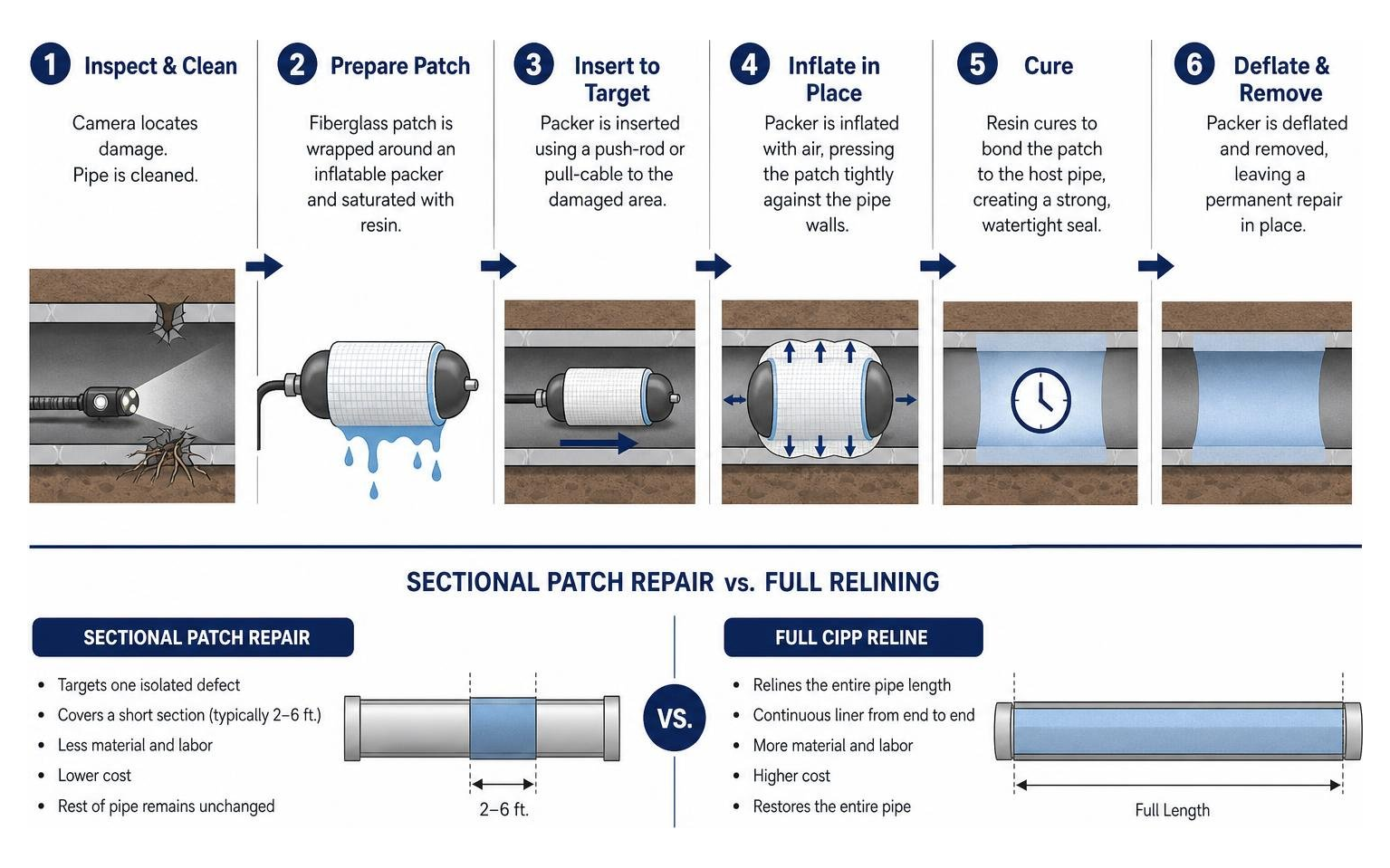
The process is straightforward but requires specialized equipment. First, we identify the exact location of the damage using high-definition sewer cameras. Once the pipe is cleaned of debris and roots, a flexible fiberglass patch is wrapped around an inflatable packer. This patch is thoroughly saturated with a two-part silicate or epoxy resin.
Using a push-rod or pull-cable system, we guide the packer directly to the damaged area. Once in position, the packer is inflated with compressed air, pressing the resin-soaked fiberglass tightly against the inner walls of the host pipe. As the resin cures, it bonds structurally with the old pipe, sealing off cracks and creating a smooth, jointless new pipe-within-a-pipe.
To visualize this step-by-step, you can explore our guide on how trenchless pipe repair works, which details the mechanics of no-dig technology. Additionally, understanding the broader cured-in-place pipe lining process can help you see how these materials cure to form a permanent, high-strength barrier.
Sectional Pipe Repair vs. Full Relining
When evaluating your repair options, it is important to distinguish between a localized sectional patch and a full pipe reline. A patch liner typically covers a short distance, usually between two and six feet, to fix a single, isolated defect. This makes it an incredibly efficient solution when the rest of your sewer line is structurally sound.
Conversely, a full CIPP reline involves installing a continuous liner throughout the entire length of the sewer lateral, often stretching from the house all the way to the municipal main. While a full reline is necessary when a pipe is deteriorating from end to end, sectional patch repairs offer a much more targeted approach.
By only treating the damaged zone, you avoid paying for unnecessary materials and labor. When comparing the two, you can read our detailed breakdown on drain pipe lining vs replacement to see which strategy aligns best with your property’s long-term needs.
Key Factors That Influence Your Drain Patch Liner Cost
While sectional repairs are highly cost-effective, the final invoice is shaped by several distinct variables. Because underground plumbing is largely out of sight, site-specific challenges can alter the complexity of the installation.
- Pipe Condition: Before a patch can be installed, the host pipe must be structurally capable of supporting it. If the pipe is heavily corroded, misshapen, or partially collapsed, additional preparation work will be required.
- Access Points: Trenchless technology requires at least one cleanout or entry point to insert the packer. If your property lacks an accessible cleanout, or if the entry point is located in a tight crawlspace, the labor required to access the line will increase.
- Labor Complexity: In colder climates like Anchorage, AK, working around frozen ground or deep utility lines requires specialized experience. The time of year and ease of access to the pipe will naturally play a role in labor costs.
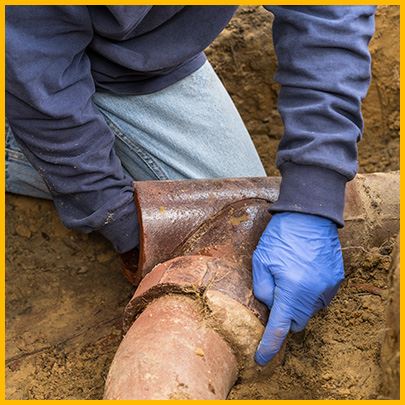
Understanding the Base Drain Patch Liner Cost per Section
Contractors generally price patch lining using a base mobilization fee plus a material and labor rate for the specific section being repaired. Because the equipment, resin, and crew must be brought to your property regardless of the patch’s size, the first patch always carries the highest relative cost. Subsequent patches installed during the same visit are usually priced much lower.
For a deeper dive into how professional crews break down these expenses, you can review this article on the cost of sewer pipe repair using CIPP liner per foot. To see these concepts explained visually by field experts, check out this helpful trenchless sewer liner cost video to better understand the real-world variables involved.
How Pipe Diameter and Depth Affect Your Total Drain Patch Liner Cost
The physical dimensions of your sewer lateral directly impact the volume of materials required. Most residential sewer lines are 4 inches or 6 inches in diameter. Larger pipes require wider fiberglass patches and significantly more epoxy resin to achieve a proper seal, which influences the material cost.
Depth also plays a major role. Even though patch lining is a “no-dig” technology, deep pipes present higher pressure loads and can be more difficult to navigate with push-rods and cameras. If a pipe is buried deep beneath a structural slab or driveway, the risk factor and precision required to position the packer increase, which can softly adjust the overall project cost.
Comparing Patch Lining to Traditional Excavation
To truly appreciate the value of trenchless repairs, it helps to compare them to traditional “dig-and-replace” methods. While traditional plumbing work has its place, the secondary costs of excavation often catch homeowners off guard.
| Feature | Trenchless Patch Lining | Traditional Excavation |
|---|---|---|
| Disruption Level | Extremely Low (done via access points) | High (trenching through lawns/driveways) |
| Project Timeline | Typically 1 day (cures in hours) | Multiple days to a week |
| Property Damage | None to minimal | Significant yard, patio, or driveway damage |
| Relative Cost | Moderate (lower overall project cost) | High (due to heavy machinery & restoration) |
| Lifespan | 50+ Years | 50+ Years (with new PVC) |
With traditional excavation, a contractor must bring heavy machinery to dig a trench directly down to the damaged pipe. If that pipe runs under your manicured lawn, a paved driveway, or an expensive patio, you will be responsible for the cost of rebuilding those surfaces once the plumbing work is complete. Patch lining completely bypasses these expensive restoration steps.
Long-Term Savings of Trenchless Methods
The financial benefits of a patch liner extend far beyond the initial installation day. Because the cured epoxy resin creates a seamless, joint-free barrier inside your old pipe, it eliminates the tiny gaps where tree roots typically find their way in.
Additionally, the smooth interior of the patch improves the hydraulic flow of your system, reducing the likelihood of future clogs and backups. If you live in an older property with aging clay or cast iron pipes, choosing a CIPP solution can add decades of reliable service to your existing infrastructure. You can learn more about why CIPP lining is ideal for older homes to see how this technology protects vintage plumbing systems.
When is a Patch Liner the Right Solution?
A patch liner is the ideal choice when your pipe damage is localized rather than systemic. If your entire sewer line is crumbling, a patch will only act as a temporary band-aid. However, if the rest of the pipe is in stable condition, a patch is a highly reliable, permanent fix.
- Root Intrusion: Tree roots seek out moisture and easily slip into the joints of clay or concrete pipes. A patch liner seals these joints permanently.
- Cracked Joints: Ground shifting and freeze-thaw cycles in Anchorage, AK, can cause pipe joints to crack or offset slightly. A patch bridges these gaps.
- Localized Corrosion: In older cast iron pipes, localized rust or “channel rot” along the bottom of the pipe can be sealed before it spreads.
Signs Your Sewer Line Needs Sectional Repair
How do you know if your underground pipes are struggling? Because sewer lines are buried deep, you have to look for subtle warning signs inside and outside your home:
- Slow Drains: If multiple sinks, tubs, or toilets are draining slowly, it indicates a restriction in the main sewer lateral.
- Lush Lawn Patches: A sudden, unusually green or wet patch of grass in your yard often points to an underground sewer leak.
- Frequent Backups: Having to call a plumber to clear your main line multiple times a year is a clear sign of structural pipe damage.
To pinpoint the exact cause of these issues, we highly recommend scheduling a professional diagnostic check. You can read up on what to expect during these visits in our guide to sewer scope inspections.
What is Included in a Professional Quote?
When you receive a professional quote for a drain patch liner, it should cover the entire scope of the project from diagnosis to final verification. A comprehensive quote from a reputable contractor typically includes:
- Initial CCTV Inspection: A high-definition camera run to map the pipe, locate the damage, and verify that the line is a good candidate for lining.
- Pipe Cleaning and Prep: Hydro-jetting or mechanical descaling to remove grease, scale, and tree roots so the resin can bond properly to the pipe wall.
- Liner Installation: The physical materials (fiberglass patch, silicate/epoxy resin) and the labor to position, inflate, and cure the patch.
- Post-Lining Inspection: A final camera run to verify that the patch is perfectly smooth, fully cured, and free of defects.
Ensuring all of these steps are included protects you from unexpected add-on fees. To understand why working with an experienced team is critical for these technical steps, you can read about the value of professional drain repair services.
Frequently Asked Questions about Drain Patch Liners
How much does a single drain patch liner cost on average?
The cost of a single sectional patch liner can vary depending on several factors, including pipe depth, access, and diameter. Generally, a single localized patch repair starts around a baseline rate that is significantly lower than the cost of full-scale excavation or full-length pipe relining.
How long does a trenchless drain patch repair last?
When installed by certified professionals using high-quality materials, a cured-in-place patch liner is designed to last 50 years or more. The epoxy and fiberglass materials are highly resistant to chemical corrosion and root intrusion.
Can a patch liner fix a completely collapsed pipe?
No, a patch liner requires a host pipe to act as a mold. If a section of the pipe has completely collapsed or lost its structural roundness, trenchless lining is not viable, and traditional excavation or pipe bursting will be required.
Is a sewer camera inspection required before patch lining?
Yes, a camera inspection is absolutely mandatory. It allows technicians to measure the exact diameter of the pipe, locate the defect, and ensure there are no major structural collapses that would prevent the liner from expanding properly.
Does homeowners insurance cover the cost of a drain patch liner?
Coverage depends on your specific policy and the cause of the damage. If the pipe failure was sudden and accidental, some policies may cover it. However, damage caused by wear-and-tear or tree root intrusion is often excluded unless you have a specific service line rider.
How long does the patch lining installation process take?
Most residential patch liner installations can be completed in a single day. The actual physical installation and curing process typically takes between 2 to 4 hours, meaning your water service will only be offline for a very short period.
What materials are used in a trenchless drain patch liner?
A standard patch liner consists of a high-strength fiberglass matting saturated with a specialized two-part epoxy or silicate resin system. Once cured, these materials form a rigid, durable, and smooth plastic pipe inside the old line.
Can tree roots penetrate a cured-in-place patch liner?
Once the resin cures, it creates a seamless, joint-free barrier. Because tree roots enter pipes through joints and cracks, a properly installed patch liner completely eliminates their entry points, preventing future root intrusion in that section.
Is patch lining safe for residential drinking water pipes?
Yes, there are specific epoxy resins formulated and certified to meet strict safety standards for potable water lines. However, patch liners are most commonly used in sewer, drain, and storm lines where drinking water safety is not an issue.
How do I know if I need a patch liner or a full pipe replacement?
This is determined during a sewer camera inspection. If the damage is limited to a single joint or a small crack, a patch liner is the perfect fix. If the entire pipe is showing signs of structural failure, corrosion, or multiple collapses, a full replacement or reline is necessary.
Conclusion
When dealing with localized underground pipe damage, a trenchless drain patch liner offers an incredibly smart, non-disruptive, and long-lasting solution. By targeting only the damaged section, you save money on materials and completely avoid the heavy restoration costs associated with digging up lawns, driveways, and landscaping.
At Drain Masters, we have spent over 20 years serving the Anchorage, AK community. As a family-owned business, we pride ourselves on providing upfront pricing, utilizing advanced diagnostic tools, and completing over 4,000 successful jobs annually. If you suspect a problem with your sewer line, do not wait for a complete backup to occur. Contact us today to schedule an inspection and explore our professional drain patch liner services.