
What Every Homeowner Should Know Before Buying or Maintaining a Home
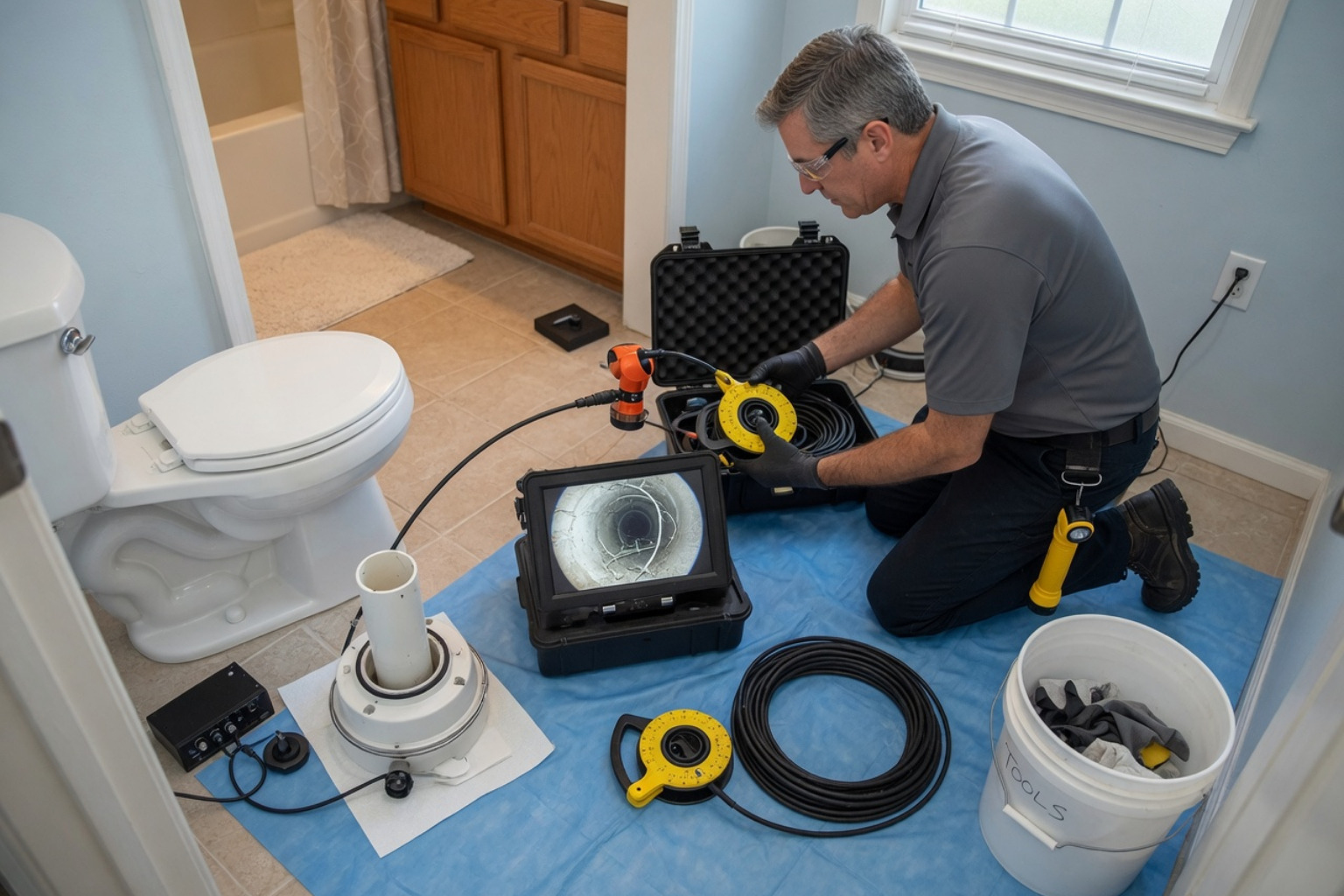
Performing a sewer scope inspection is one of the most critical steps you can take to protect your property, whether you are preparing to purchase a new home or maintaining your current residence. This specialized diagnostic procedure utilizes a small, highly flexible video camera to explore the interior of your home’s underground sewer line. By sending real-time visual data back to the surface, this inspection reveals hidden structural issues, blockages, and wear that would otherwise remain completely invisible from above ground.
Here is a comprehensive summary of what you need to know:
- What it is: A detailed video camera evaluation of the lateral sewer pipe that carries wastewater from your home’s plumbing system to the municipal main line or a private septic tank.
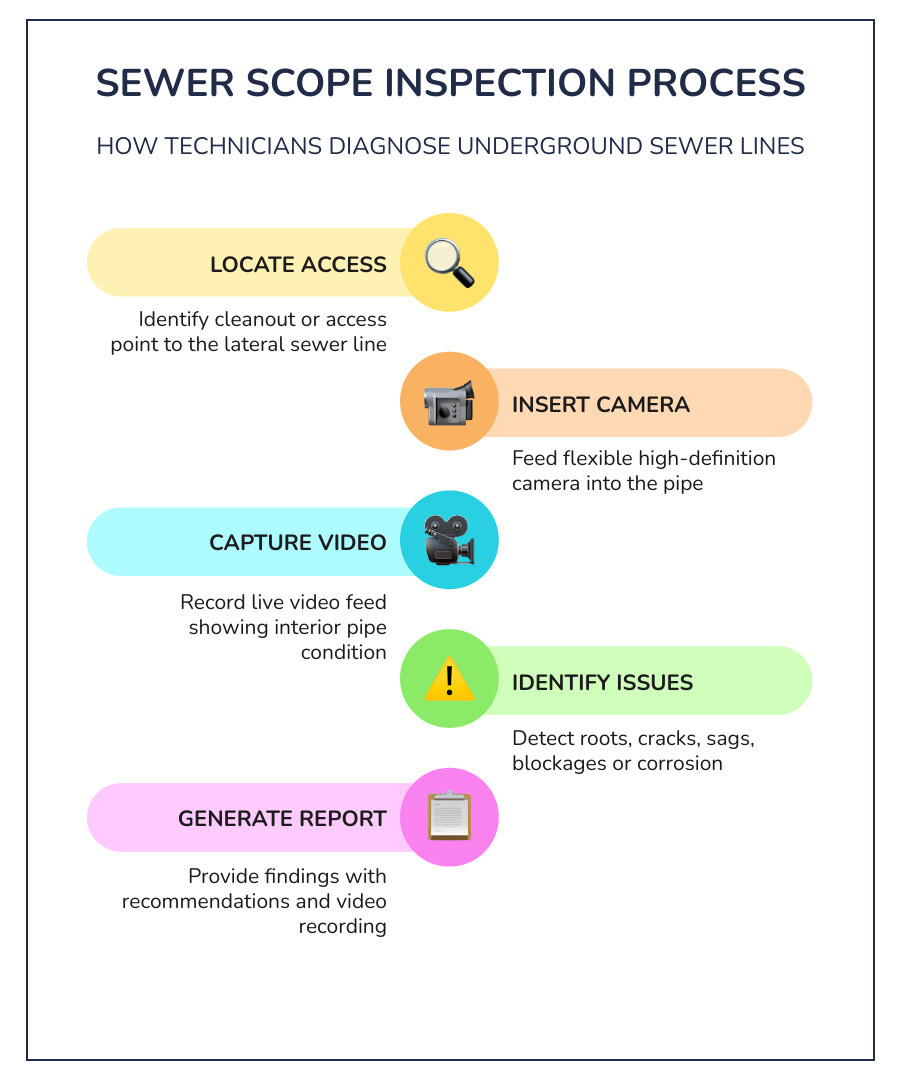
- How it works: A certified technician inserts a specialized camera through an accessible cleanout point, recording a live video feed of the pipe’s interior condition.
- What it finds: Tree root intrusion, cracked or collapsed pipes, major blockages, joint separation, pipe sags, and severe corrosion.
- How long it takes: Typically between 30 and 60 minutes depending on the length and condition of the line.
- Why it matters: Standard home inspections do not cover underground utility lines, meaning hidden sewer problems often go undetected until they cause catastrophic backups.
- What it costs: Pricing can vary depending on several factors, including property size, cleanout accessibility, and location.
- When to get one: Prior to purchasing any home, if your current property is over 20 years old, if mature trees grow near your sewer line, or if you experience slow drains and recurring backups.
The reality of homeownership is simple: you can easily spot a leaky faucet, a cracked wall, or a damaged roof tile. However, you cannot see what is happening three feet underground inside your main sewer line. When an underground pipe fails, the resulting property damage and repair bills can be overwhelming. Close to 50% of all sewer scope inspections reveal a need for some form of professional maintenance or repair, making this a highly valuable preventative measure.
I am Debra Blouin, General Manager of Drain Masters here in Anchorage, AK. With over two decades of hands-on experience in the sewer and drain industry, I have seen firsthand how a timely sewer scope inspection can save homeowners from devastating and unexpected repair costs. In the sections below, I will walk you through exactly how this inspection works, what it uncovers, and what to do when problems are found.
What is a Sewer Scope Inspection?
An underground sewer line is a classic case of out of sight, out of mind. Every time you flush a toilet, run the dishwasher, or take a shower, wastewater leaves your home and travels through a buried pipe. This pipe is known as the lateral sewer line, and it connects your home’s plumbing system to the municipal main sewer line or a private septic tank. Because this lateral line is buried several feet beneath your lawn, driveway, or landscaping, checking its condition is impossible without specialized technology.
A sewer scope inspection is a non-invasive diagnostic procedure that uses a high-definition, flexible video camera to evaluate the internal health of this lateral line. By inserting this camera directly into the pipe, we can see exactly what is happening inside. We look for structural damage, accumulation of debris, and any environmental factors that might threaten the flow of wastewater.
When you book a professional service, such as scheduling a professional camera evaluation, you are essentially taking a guided tour of your plumbing system’s most critical pathway. The camera is pushed through the pipe, sending a real-time video feed back to a monitor viewed by a trained technician. This process allows us to spot minor issues before they escalate into major plumbing emergencies.
To ensure the highest level of accuracy and safety, professional inspectors follow standardized guidelines, such as the industry-standard guidelines for sewer scoping. These standards outline exactly what must be inspected, how the camera should be operated, and what types of defects must be documented and reported to the homeowner. By adhering to these rigorous guidelines, we ensure that no detail is overlooked and that you receive a clear, unbiased assessment of your sewer line’s condition.
How a Sewer Scope Inspection Works
The actual process of performing a sewer scope inspection is highly systematic and relies on advanced technology to deliver accurate results. It begins with identifying an appropriate access point, which is typically a sewer cleanout. A cleanout is a capped pipe located either in your basement, crawl space, or yard that provides direct access to the main lateral sewer line. If a cleanout is not available, the camera can sometimes be inserted through a roof vent stack or by temporarily removing a toilet, though a dedicated cleanout is always the preferred route.
Once the access point is established, the technician prepares the borescope camera. This is not just any camera: it is a high-resolution, waterproof camera mounted on a long, flexible fiber-optic cable. The cable is designed to navigate the twists and turns of your underground pipes without causing any damage to the plumbing system.
Before pushing the camera into the line, the technician will usually run water from various fixtures inside the home. Flushing the lines with water serves a dual purpose: it helps clear out loose debris so the camera lens stays clean, and it allows the inspector to observe how water flows through the system. Standing water or sluggish flow can instantly point to structural issues like sags or slopes in the pipe.
As the camera travels down the lateral line toward the city main or septic tank, the technician carefully monitors the live video feed. Modern inspection systems also include built-in transmitters that allow us to locate the exact physical position of the camera from above ground. If the camera spots a crack or a root intrusion, we can use a locator device on your lawn to pinpoint the exact spot and depth of the defect. This high level of precision is incredibly valuable because it means we do not have to dig up your entire yard just to find and fix a single broken joint.
Throughout the process, the entire journey is captured as a digital recording. At the end of the inspection, you do not just get a verbal summary: you receive a detailed written report along with a copy of the video footage. Having a visual record is crucial, especially if you need to share the findings with a home seller, a contractor, or an insurance provider. For residents in our local area, booking a local camera diagnostic is the easiest way to gain this absolute clarity and protect your property from unexpected disasters.
Why This Inspection is Crucial for Homebuyers and Homeowners
If you are in the process of purchasing a home, you already have a long checklist of things to worry about. You will secure financing, negotiate repairs, and schedule a standard home inspection. However, many buyers do not realize that a standard home inspection has a major blind spot: it does not cover anything buried underground. A standard home inspector will flush the toilets and run the sinks to make sure they drain, but they cannot tell you if the sewer pipe under the yard is on the verge of collapsing.
Skipping a sewer scope inspection during the home buying process is a massive financial risk. If you buy a home and the sewer line backs up a month after closing, the responsibility for repairing that pipe falls entirely on you. Because lateral sewer lines are located on private property, municipal utility departments will not cover the cost of repairs. You are responsible for the entire line from your house to the street connection.
When an inspection reveals hidden underground issues, it gives you immense negotiating power. If we discover structural damage or heavy root blockages, you can use our digital report to request that the seller pay for the repairs before closing. Alternatively, you can negotiate a reduction in the home’s purchase price to cover your future repair costs, or you can choose to walk away from the transaction entirely if the damage is too severe.
For existing homeowners, routine inspections are just as critical for ongoing property maintenance. Sewer line leaks do not just cause plumbing issues: they can lead to severe structural damage. When a buried pipe cracks, water escapes into the surrounding soil, causing the ground to shift, settle, and erode. Over time, this shifting soil can undermine your home’s foundation, leading to costly structural cracks in your walls and basement.
Furthermore, leaking sewage can introduce excessive moisture into your crawl space or basement, creating the perfect environment for mold growth. Mold can spread rapidly through a home, damaging building materials and posing serious health risks to your family. By catching small cracks and joint separations early, you can prevent these hazardous water leaks from ever reaching your home’s foundation or living spaces.
When to Schedule a Sewer Scope Inspection
Knowing when to schedule a sewer scope inspection can save you from a major plumbing emergency. While we recommend getting an inspection during any home purchase, there are several specific warning signs and property characteristics that make an inspection absolutely essential.
First, consider the age of the property. If a home was built more than 20 years ago, it is highly vulnerable to sewer line deterioration. Older homes often feature pipe materials that are prone to failing over time. For example, homes built before the 1980s frequently used clay or cast-iron pipes. Clay pipes are highly susceptible to cracking as the ground shifts, and their joints easily loosen, allowing tree roots to find their way inside. Cast-iron pipes, on the other hand, suffer from internal rust and corrosion, which creates a rough surface that catches debris and eventually leads to pipe wall collapse.
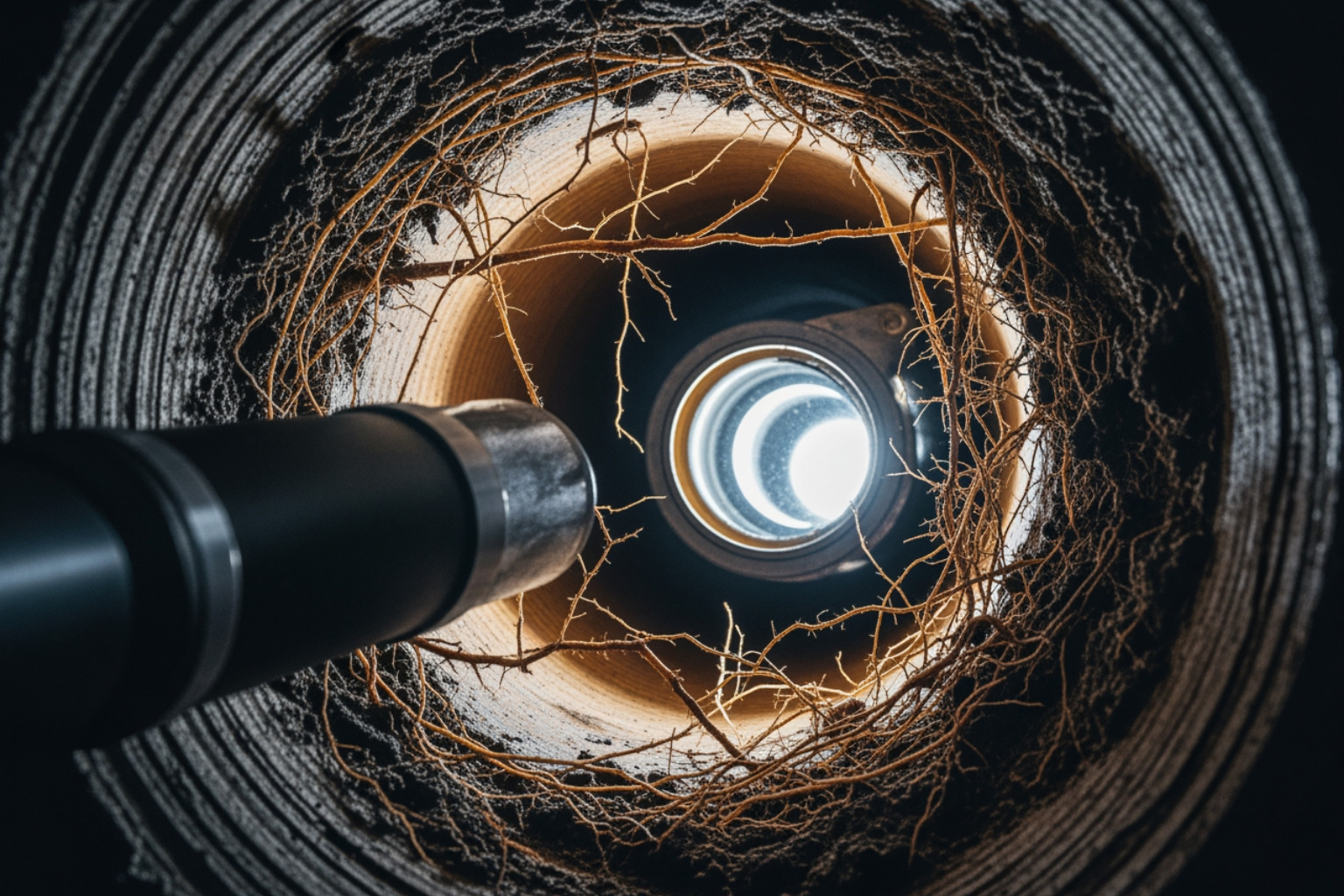
Another major risk factor is the presence of large trees near the sewer line. Tree roots are naturally drawn to moisture and nutrients, both of which are abundant inside sewer pipes. Even a microscopic crack in a pipe joint can release moisture into the surrounding soil, attracting nearby roots. Once a root finds the crack, it will grow inside the pipe, expanding until it completely blocks the flow of wastewater or shatters the pipe entirely.
You should also schedule an inspection immediately if you notice any physical warning signs around your property. These signs include slow-draining sinks or tubs, gurgling sounds coming from your toilets, or recurring drain backups. If you want to learn more about identifying these early warning signs, you can read our guide on spotting early warning signs of drain failure to protect your home from sudden backups.
Common Problems Detected During a Sewer Camera Assessment
When we send our high-resolution camera down a sewer line, we are looking for a variety of structural, environmental, and maintenance issues. Because different pipe materials react differently to age and ground conditions, a visual assessment is the only way to accurately diagnose what is happening underground.
Here are the most common problems we detect during a typical sewer camera assessment:
- Tree Root Intrusion: This is the single most common cause of sewer line failure. Roots enter through loose pipe joints or small cracks and grow into dense, woody masses that trap grease, toilet paper, and other debris.
- Pipe Bellies and Sags: A pipe belly occurs when a section of the sewer line sinks or sags, usually due to soil settling or poor initial installation. Gravity relies on a consistent downward slope to carry waste away. When a sag forms, water and solid waste pool in the low spot, leading to frequent blockages.
- Cracks and Fractures: Ground shifting, freezing temperatures, and soil pressure can cause rigid pipes to crack. These cracks allow sewage to leak into your yard and provide an easy entry point for tree roots.
- Joint Separation: Over time, the connections between individual pipe sections can shift and pull apart. This allows wastewater to escape into the surrounding soil, eroding the ground around the pipe and eventually causing the line to collapse.
- Grease and Debris Blockages: Cooking grease, soap scum, and foreign objects can accumulate along the pipe walls, narrowing the passage and eventually blocking the flow of water entirely.
- Orangeburg Pipe Deformation: Popular in homes built between the 1940s and 1970s, Orangeburg pipes are made of wood fibers bound with coal tar. Over several decades, these pipes absorb water, lose their structural integrity, and deform into an oval shape before completely collapsing.
To help you understand the severity of these different issues, we have compiled a quick reference table comparing common sewer line defects:
| Sewer Line Defect | Common Cause | Severity Level | Typical Recommended Action |
|---|---|---|---|
| Minor Grease Buildup | Pouring fats down drains | Low | Professional hydro-jetting and cleaning |
| Hair & Debris Clogs | Lack of drain screens | Low | Drain snaking or mechanical clearing |
| Moderate Root Intrusion | Small cracks in pipe joints | Medium | Root removal followed by pipe lining |
| Pipe Belly (Sag) | Soil settling or poor installation | Medium to High | Monitoring or pipe excavation/re-sloping |
| Severe Structural Cracks | Ground shifting or pipe age | High | Trenchless pipe repair or replacement |
| Collapsed Pipe Section | Complete material failure | Critical | Full pipe replacement |
Understanding the Costs and Next Steps After Your Inspection
If your sewer scope inspection reveals a problem, the next step is determining the best path forward. The cost of addressing a sewer line issue can vary significantly depending on several factors, including the depth of the pipe, the location of the defect, the pipe material, and the severity of the damage.
When you receive your inspection report, you will face a critical decision: should you repair a specific section of the pipe, or is it time for a complete replacement? Minor issues, such as localized root intrusion or a small crack, can often be resolved with targeted repairs or professional cleaning. However, if the pipe is suffering from widespread corrosion, multiple collapsed sections, or severe structural deformation, a full replacement is usually the most cost-effective long-term solution. To learn more about how we evaluate these situations, check out our guide on deciding between a quick fix and a full replacement.
For homebuyers, finding a defect during the inspection period is an opportunity to negotiate with the seller. You can present the seller with our video footage and a professional repair estimate, requesting that they complete the work before you take ownership. Alternatively, you can ask for a credit at closing so you can manage the repairs yourself using a contractor you trust. If you want a deeper look at what influences these service rates and how to plan your budget, you can read our resource on planning your budget for plumbing diagnostics.
Modern Solutions for Sewer Line Issues
Fortunately, fixing a broken sewer line no longer means your entire yard has to be destroyed. In the past, the only way to repair a buried pipe was to bring in heavy machinery, dig a massive trench through your lawn, landscaping, or driveway, and physically replace the pipe. This traditional excavation method is slow, disruptive, and incredibly messy.
Today, we utilize advanced trenchless technology to repair sewer lines with minimal disruption to your property. Trenchless methods allow us to fix or replace buried pipes from the inside out, requiring only small access pits rather than a continuous trench.
One of the most popular trenchless solutions is cured-in-place pipe (CIPP) lining. During this process, a flexible tube coated with a special epoxy resin is inserted into the damaged pipe. Once in place, the tube is inflated, pressing the resin against the inner walls of the old pipe. The resin is then cured using heat or light, hardening into a brand-new, seamless, and incredibly durable pipe within the old one. To understand how this innovative process works, read our detailed explanation of exploring modern pipe rehabilitation methods.
Another highly effective option is trenchless pipe bursting, where a new pipe is pulled directly through the old one, breaking the damaged pipe apart as it goes. These modern solutions save you time, protect your beautiful landscaping, and provide a long-lasting fix. You can read more about these non-invasive methods in our guide on non-invasive repair options to see if this technology is right for your property.
Frequently Asked Questions About Sewer Scope Inspections
What is a sewer scope inspection?
A sewer scope inspection is a diagnostic plumbing service that uses a small, high-definition video camera attached to a flexible fiber-optic cable to inspect the interior of your underground lateral sewer line. This inspection allows a technician to visually assess the pipe’s condition, check for structural defects, and identify blockages without digging up your yard.
Is a sewer scope inspection included in a standard home inspection?
No, a sewer scope inspection is not included in a standard home inspection. Standard home inspectors only test the functional flow of your plumbing by running faucets and flushing toilets. They do not inspect buried underground pipes. You must book a sewer scope as an additional, specialized service to ensure your underground lines are safe.
How long does a sewer scope inspection take?
A typical sewer scope inspection takes between 30 and 60 minutes to complete. The exact duration depends on the accessibility of your sewer cleanout, the length of your lateral line, and whether the technician encounters any major blockages or structural damage that requires extra documentation.
What problems can a sewer scope inspection detect?
This inspection can detect a wide variety of underground plumbing issues, including tree root intrusion, pipe bellies or sags, structural cracks, joint separations, collapsed pipe sections, grease blockages, and severe corrosion in older metal pipes. It can also identify outdated and failing pipe materials like Orangeburg.
How much does a sewer scope inspection cost?
The pricing for a sewer scope inspection can vary depending on several factors, such as the accessibility of the sewer cleanout, the overall length of the line, and your geographic location. Because these variables change from property to property, homeowners should contact a professional plumbing company to request a customized estimate.
What are the signs that you might need a sewer scope inspection?
Common warning signs include slow-draining sinks and showers, gurgling sounds coming from your toilets, foul sewage odors inside or outside your home, patches of unusually lush green grass in your yard, or recurring drain backups. You should also get one if your home is over 20 years old or has large trees near the sewer line.
What happens if the inspection finds issues?
If the inspection reveals damage, you will receive a digital recording and a written report detailing the findings. If you are buying a home, you can use this report to negotiate repairs or price drops with the seller. If you are a homeowner, you can use the findings to plan targeted repairs, such as trenchless pipe lining, before a total backup occurs.
Can a sewer scope inspection detect issues in newly constructed homes?
Yes, even newly constructed homes can have serious sewer line issues. Pipes are often damaged during the construction process by heavy equipment driving over the yard, or they may have been installed with improper slope. Additionally, construction workers sometimes wash drywall mud, grout, or other debris down the drains, causing major blockages in brand-new lines.
How often should a homeowner get a sewer scope inspection?
For most homeowners, we recommend scheduling a sewer scope inspection every three to five years as part of a proactive home maintenance routine. However, if your property has very old clay pipes or is surrounded by mature trees with aggressive root systems, having your lines checked every one to two years is a safer approach.
Who should perform a sewer scope inspection in Anchorage, AK?
A sewer scope inspection should always be performed by a licensed, certified, and experienced plumbing professional who possesses the advanced camera equipment and specialized training necessary to accurately interpret the video footage. In our local area, look for a trusted local company with a proven track record of serving the community.
Conclusion
Your home’s underground sewer line is one of its most critical, yet frequently ignored, systems. Waiting for a major backup to occur before thinking about your sewer pipe is a recipe for high stress and expensive emergency repairs. Taking a proactive approach to your home’s plumbing health is the best way to prevent unexpected disasters, protect your property value, and enjoy true peace of mind.
Whether you need a detailed camera evaluation, routine drain cleaning, or trenchless sewer repairs, the team at Drain Masters is ready to help. Schedule your professional sewer scope inspection today to protect your home and gain complete peace of mind.