
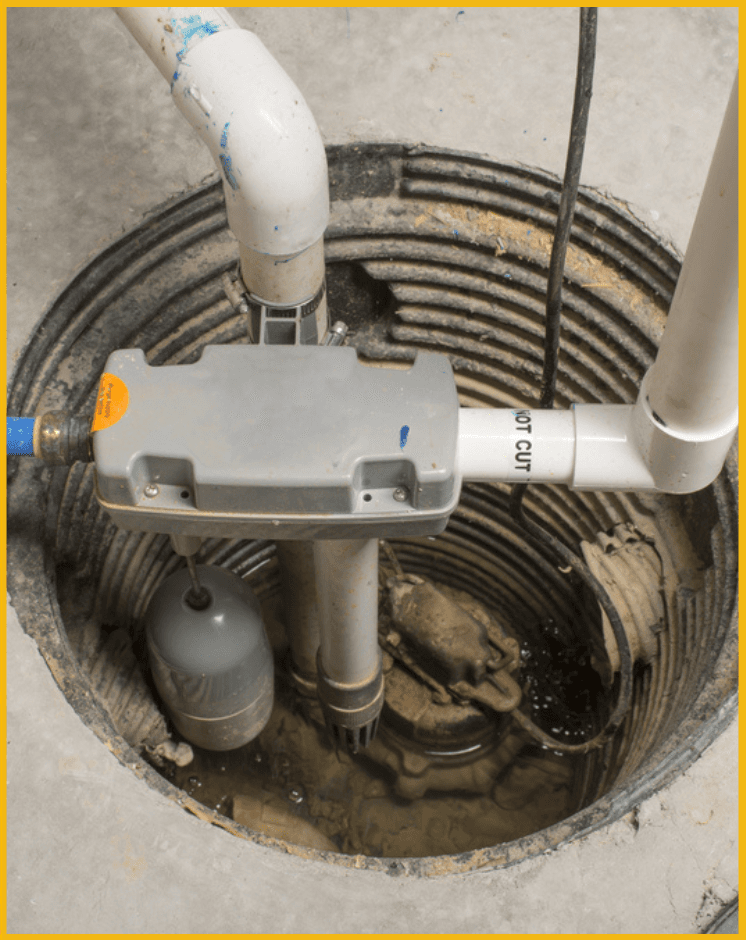
Why Your Sump Pump Sump Basin Is the First Line of Defense Against Water Damage
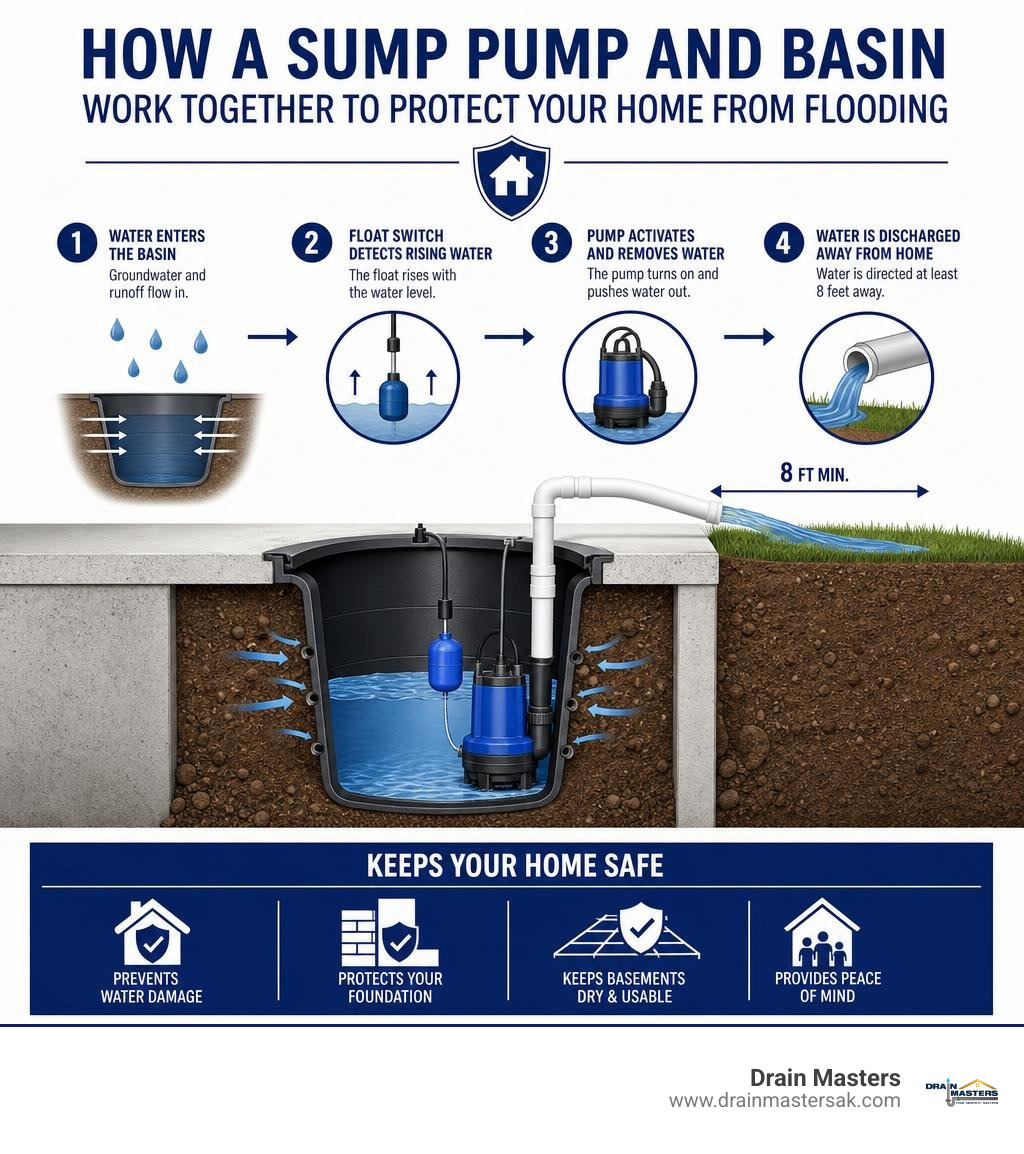
A sump pump sump basin is the underground pit that collects water before your sump pump moves it safely away from your home. Here is a quick overview of what you need to know:
What it is: A basin (also called a sump pit) installed in your basement or crawl space floor to collect groundwater and runoff.
How it works:
- Water flows into the basin through perforations or drainage pipes
- A float switch detects rising water levels
- The sump pump activates and pushes water out through a discharge pipe
- Water is directed at least 8 feet away from your foundation
Common basin types:
- Perforated basins: best for crawl spaces, yards, and areas with high water tables
- Watertight basins: best for septic, radon-sensitive, or odor-controlled environments
Standard sizing: Most residential basins are at least 18 inches in diameter, 30 inches deep, and hold between 15 and 25 gallons.
Pricing: Costs vary widely depending on size, material, and whether you buy a standalone basin or a complete kit with pump and accessories.
If your basement or crawl space in Anchorage, AK takes on water during heavy rain or snowmelt, the right sump basin setup can prevent serious and costly damage to your home’s foundation, walls, and floors. Managing water accumulation effectively requires a reliable system that can handle sudden surges without failing.
I’m Debra Blouin, General Manager of Drain Masters, and with over two decades of hands-on experience in plumbing and drainage systems, I’ve seen how the right sump pump sump basin setup makes the difference between a dry basement and a flooded one. In this guide, I’ll walk you through everything you need to know to choose, install, and maintain the best basin for your home.
What is a Sump Pump Sump Basin and How Does It Work?
To keep your basement or crawl space dry, you need to understand the relationship between the pump and the basin. Think of the sump basin as the designated collection zone. It is a heavy-duty container set into the lowest point of your floor, designed to catch water before it can pool on your concrete surfaces.
When water enters your home’s perimeter drainage system, it is directed straight into this basin. Inside the basin sits the pump. As water fills the container, a mechanical float switch rises. Once the water reaches a specific height, the switch triggers either a submersible pump (which sits entirely underwater at the bottom of the basin) or a pedestal pump (which has its motor positioned safely above the water line).
By understanding how sump pumps work, you can see why the basin itself is so critical. If the basin is too small, your pump will cycle on and off rapidly, which is a problem known as short cycling that quickly burns out the motor. If the basin is too shallow, water will overflow before the pump has a chance to empty it. A properly sized basin ensures that the pump runs for an optimal duration, cooling the motor with the water it pumps and extending the overall lifespan of your equipment.
Understanding the Sump Pump Sump Basin Mechanics
The mechanics of a sump pump sump basin rely on a delicate balance of gravity, pressure, and flow. Groundwater naturally moves toward the path of least resistance. By digging a pit and installing a basin, you create an artificial low point. This low point acts as a magnet for excess moisture, drawing it away from your foundation walls and floor slab.
When the local water table rises during seasonal freeze-thaw cycles in Anchorage, AK, hydrostatic pressure pushes water up through the ground. A properly designed basin relieves this pressure, preventing the water from cracking your concrete floor or seeping through the joints.
Once the pump kicks on, water is forced upward through a discharge pipe. A critical component in this line is the check valve. The check valve acts as a one-way gate, allowing water to leave but preventing it from rushing back down into the basin when the pump shuts off. Without a functioning check valve, your pump would have to pump the exact same water twice, wasting energy and shortening its lifespan. Finally, a secure basin cover keeps debris out, prevents pets or children from falling in, and contains moisture and gases. For complex drainage systems, relying on professional plumbing services ensures every mechanical component works in perfect harmony.
Standard Basin Sizes and Materials
Sump basins are manufactured from several durable materials, each offering distinct advantages:
- Polyethylene / High-Density Polyethylene (HDPE): The most common material for residential use. It is lightweight, highly resistant to cracking, and chemically inert, meaning it won’t corrode when exposed to harsh soil chemistry or septic effluent.
- Structural Foam: This is an injection-molded, thick-walled plastic that provides exceptional structural rigidity. Basins made of structural foam will not flex or collapse under heavy soil pressure, making them ideal for deep installations.
- Fiberglass: Extremely strong and durable, fiberglass is often reserved for commercial applications or very large residential systems where maximum structural integrity is required.
In terms of sizing, standard residential codes in the United States typically require a basin with a minimum inside diameter of 18 inches and a minimum depth of 30 inches. This size typically translates to a capacity of 15 to 25 gallons. This volume provides enough space for a standard 1/3 HP or 1/2 HP submersible pump to complete a full pumping cycle without short-cycling. Choosing the correct size prevents premature wear on your pump and ensures your home remains protected during heavy downpours.
Choosing the Right Sump Basin: Perforated vs. Standard Watertight
Selecting the right style of basin is just as important as choosing the material. The choice between a perforated basin and a watertight basin depends entirely on how water enters your pit and the environmental conditions of your home.
| Feature | Perforated Sump Basin | Standard Watertight Basin |
|---|---|---|
| Water Entry Method | Through pre-drilled weep holes/slots and inlet pipes | Exclusively through connected drainage inlet pipes |
| Primary Use Case | High water tables, crawl spaces, and under-floor seepage | Radon mitigation, basement laundry, and septic systems |
| Radon/Gas Protection | Low (requires special venting if used for radon) | High (when paired with a sealed, gasketed lid) |
| Soil Filtration | Requires gravel backfill to prevent clogging | No gravel backfill needed for water entry |
| Risk of Floating | Low (water enters freely to equalize pressure) | Moderate (hydrostatic pressure can push empty basins up) |
When to Use a Perforated Sump Pump Sump Basin
A perforated sump pump sump basin features dozens of factory-drilled weep holes or water intake slots along its sides. This design is perfect for homes dealing with a high water table where water seeps directly through the surrounding soil.
As water rises under your foundation, it flows through the perforations directly into the basin. This quickly relieves hydrostatic pressure under your concrete slab, preventing structural shifting and cracking. When installing a perforated basin, it is essential to surround the outer shell with a thick layer of clean, washed gravel (at least 10mm in size). This gravel acts as a natural soil filtration system, allowing water to pass through while blocking fine dirt, sand, and pebbles that could otherwise clog the pump or wear down its impeller. For small spaces, exploring compact basin options provides excellent perforated drainage without requiring a massive excavation footprint.
When to Choose a Standard Watertight Basin
A standard watertight basin has solid, unperforated walls. Water can only enter this basin through designated inlet pipes connected directly to an interior perimeter drain tile or french drain system.
Watertight basins are the gold standard when you need to control the air quality in your basement or crawl space. Because the basin is sealed, it prevents soil gases like radon, methane, and acetone from escaping into your living space. Radon is a dangerous, odorless gas common in many regions, and sealing your sump pit with a gas-tight gasketed lid is a critical step in radon mitigation. Watertight basins also keep high humidity, musty odors, and insects contained, making your basement feel cleaner and healthier. Additionally, they prevent moisture from evaporating into your home, which helps protect your floor joists and drywall from mold growth.
Key Accessories and Complete Sump Basin Packages
A great sump pump is only as good as the accessories that support it. To build a truly reliable system, you need to look at the basin as a complete package.
Pre-Assembled Sump Pump Kits
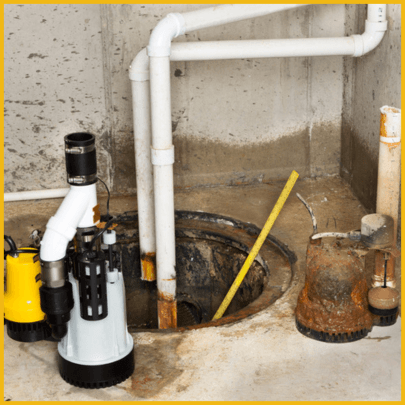
For many homeowners, buying a pre-assembled sump pump kit is the easiest way to ensure compatibility between all components. These kits take the guesswork out of matching the pump capacity with the basin volume.
A high-quality kit typically includes a primary submersible pump, a secondary battery backup pump, dual discharge plumbing, a heavy-duty basin, and a sealed lid. Many advanced systems also feature integrated high-water alarms with dual float switches. If the primary pump fails or loses power, the battery backup pump automatically takes over, pumping thousands of gallons on a single charge. This redundancy is your best insurance policy against a flooded home during severe storms or power outages. Modern kits also offer smart monitoring features that send alerts directly to your phone if the water level rises too high or if the backup pump is activated.
Specialty Basins for Crawl Spaces and Under-Sink Use
Not every home has a standard basement with unlimited headroom. In tight crawl spaces, a low-profile or snap-together basin is often required. These specialty basins are shallower but wider, allowing them to hold a sufficient volume of water without requiring you to dig a deep pit in a cramped crawl space. Some crawl space basins even feature integrated anti-float plates, which use the weight of the surrounding gravel backfill to prevent the basin from popping out of the ground when groundwater levels spike.
For utility rooms, wet bars, or basement kitchens where gravity-fed drainage isn’t possible, an under-sink basin package is the ideal solution. These compact, watertight basin systems are designed to fit directly inside a standard cabinet. They collect wastewater from sinks or washing machines and pump it upward into your home’s main sewer line. If you are dealing with tight space constraints under a sink, utilizing specialized under-sink drainage setups provides a clean, self-contained solution that keeps your utility areas dry and functional.
Sump Basin Installation and Maintenance Best Practices
Proper installation and routine maintenance are the secrets to a dry basement. Even the most expensive pump will fail if it is installed in a poorly prepared basin. If you are considering adding a new system to your home, we highly recommend booking a professional sump pump installation to ensure your foundation’s structural integrity is fully protected.

Step-by-Step DIY Installation Guide
If you are an experienced DIY enthusiast tackling a basin installation, physical safety must be your top priority. Always wear safety glasses, heavy gloves, and ear protection when operating concrete saws or jackhammers. Before you begin digging, you must contact your local utility locating service to ensure there are no buried gas, water, or electrical lines beneath your floor.
- Select the Location: Find the lowest spot in your basement or crawl space. Ensure it is close to an electrical outlet (preferably a dedicated GFCI circuit) and has a clear path for the discharge pipe to exit the home.
- Cut the Concrete: Mark an area on your concrete floor that is 6 to 12 inches wider than the diameter of your basin. Use a concrete saw or jackhammer to break through the slab.
- Excavate the Pit: Dig the hole to a depth that is roughly 4 to 6 inches deeper than the height of the basin. This extra depth allows room for a solid gravel base.
- Prepare the Base: Pour 4 to 6 inches of clean, washed gravel into the bottom of the pit. Level it out. This provides a stable foundation and prevents the basin from settling over time.
- Position the Basin: Lower the basin into the hole. If you are using a watertight basin, connect your inlet pipes from your perimeter drain tile. If using a perforated basin, ensure it sits flush with or slightly below the concrete floor level.
- Backfill: Fill the empty space around the outside of the basin with clean gravel. For watertight basins, you can backfill with concrete around the top lip to lock it into place.
- Install the Pump: Place your pump in the center of the basin, ensuring the float switch has plenty of clearance and won’t get stuck against the basin walls.
- Run the Plumbing: Connect your check valve and discharge pipe, routing the line outdoors and away from your foundation.
- Seal and Test: Install the lid, plug in the pump, and pour a bucket of water into the basin to test the switch operation. If you ever run into issues with your existing system, knowing how to fix a sump pump can help you troubleshoot minor issues before calling in the pros.
Safety Warning: Digging inside a basement can occasionally expose you to pockets of soil gases or undermine your foundation walls if done incorrectly. If you encounter extremely hard rock, heavy clay, or rapidly rushing water during excavation, stop immediately and contact a professional.
Essential Maintenance for Long-Term Reliability
To ensure your sump pump sump basin remains reliable year after year, establish an annual maintenance routine:
- Clear Out Debris: Silt, sand, and small pebbles will inevitably find their way into your basin. Unplug the pump and scoop out any accumulated muck from the bottom of the basin to prevent it from clogging the pump intake.
- Test the Float Switch: Pour water into the basin with a bucket to ensure the float switch rises freely and activates the pump without binding.
- Inspect the Check Valve: Listen closely when the pump turns off. If you hear a loud, metallic clunk, your check valve is working. If you hear water rushing backward into the basin, the valve may need to be replaced.
- Check the Discharge Line: Walk outside and ensure the exit point of your discharge pipe is clear of leaves, snow, or ice.
- Clean the Weep Holes: If you have a perforated basin, check that the side holes or slots aren’t blocked by mud or roots.
For complete peace of mind, scheduling regular expert plumbing repairs and inspections with our team will keep your home protected from unexpected seasonal flooding.
Frequently Asked Questions about Sump Basins
What is the difference between a sump pump and a sump basin?
A sump basin is the physical container or pit installed below your floor level that collects water. A sump pump is the motorized mechanical device that sits inside this basin and pumps the collected water out of your home.
What size sump basin do I need for my home?
The standard residential size is 18 inches in diameter by 30 inches deep, which holds 15 to 25 gallons. This size is ideal for most single-family homes because it prevents the pump from short-cycling.
Can I use a perforated sump basin in a basement?
Yes, but only if you do not have a radon gas problem. Perforated basins are excellent for managing high water tables, but because they are open to the surrounding soil, they cannot easily be sealed against soil gases.
How deep should a sump pump basin be?
A standard basin should be at least 30 inches deep. This depth allows enough space for a gravel base, the pump itself, and a sufficient volume of water to accumulate before triggering the float switch.
Why is my sump basin filling with water so quickly?
This usually happens during heavy rain, rapid snowmelt, or if your home is built over a high water table. If it fills rapidly even during dry spells, you may have an active underground spring or a broken water line nearby.
Do I need a sealed lid for my sump basin?
Yes. A sealed lid is highly recommended to prevent radon gas, moisture, musty odors, and pests from entering your home. It also prevents children and pets from accidentally falling into the pit.
How do I prevent my sump basin from floating?
You can prevent floating by backfilling the space around the basin with heavy gravel, using concrete to lock the top lip in place, or choosing a basin with an integrated anti-float plate.
Can I install a sump pump basin myself?
Yes, if you have experience with heavy excavation, concrete cutting, and basic plumbing. However, because digging can affect your foundation’s structural integrity and requires dealing with electrical connections, many homeowners prefer professional installation.
How often should I clean my sump pump basin?
You should inspect and clean your basin at least once a year. If your basin receives a lot of sandy runoff or silt, you may need to clean it out every spring and fall to prevent pump damage.
What is the lifespan of a plastic sump basin?
A high-quality polyethylene or structural foam basin can easily last 20 to 30 years or more. Unlike metal basins of the past, modern engineered plastics will not rust, rot, or degrade when buried in wet soil.
Conclusion
A high-performance sump pump sump basin is your home’s unsung hero, quietly protecting your crawl space, basement, and foundation from water damage. Choosing the right basin material, selecting between perforated and watertight designs, and pairing your setup with a high-quality pump and backup system will keep your home dry and healthy for decades to come. Investing in a robust drainage system is one of the most effective ways to safeguard your property value and maintain a safe living environment.
When you need reliable, long-term protection against the unique freeze-thaw cycles and heavy rains in Anchorage, AK, don’t leave your basement to chance. Contact the experienced team at Drain Masters for professional sump pump services and custom drainage solutions tailored specifically to your home.