
Why Plumbing Maintenance Is the Smartest Investment You Can Make as a Homeowner
Plumbing maintenance is the regular practice of inspecting, cleaning, and servicing your home’s pipes, fixtures, and appliances to prevent leaks, clogs, and costly breakdowns before they happen.
Quick answers to common plumbing maintenance questions:
- How often should I do it? Monthly checks, seasonal tasks, and one annual deep inspection
- What does it involve? Checking for leaks, testing water pressure, flushing the water heater, clearing drains, and inspecting shutoff valves
- Can I do it myself? Most basic tasks are DIY-friendly; some require a licensed plumber
- Why does it matter? Water damage is the second most common homeowner insurance claim in the U.S., averaging thousands of dollars per incident
- What happens if I skip it? Small leaks and clogs quietly grow into emergencies that cost far more to fix
Most plumbing problems do not appear overnight. A slow drip under the sink, a toilet that runs silently, a water heater full of sediment; these are issues that build up over months or years. By the time you notice them, the damage is often already done.
The good news? Most of these emergencies are completely preventable. A consistent maintenance routine takes just a few hours a year and can save you thousands in repairs.
I’m Debra Blouin, General Manager of Drain Masters, and with over two decades of hands-on experience in the plumbing and drain service industry, I’ve seen how routine plumbing maintenance protects Anchorage, AK homeowners from the unexpected. In the sections ahead, I’ll walk you through exactly what to do and when.
The Core Pillars of Preventive Plumbing Maintenance
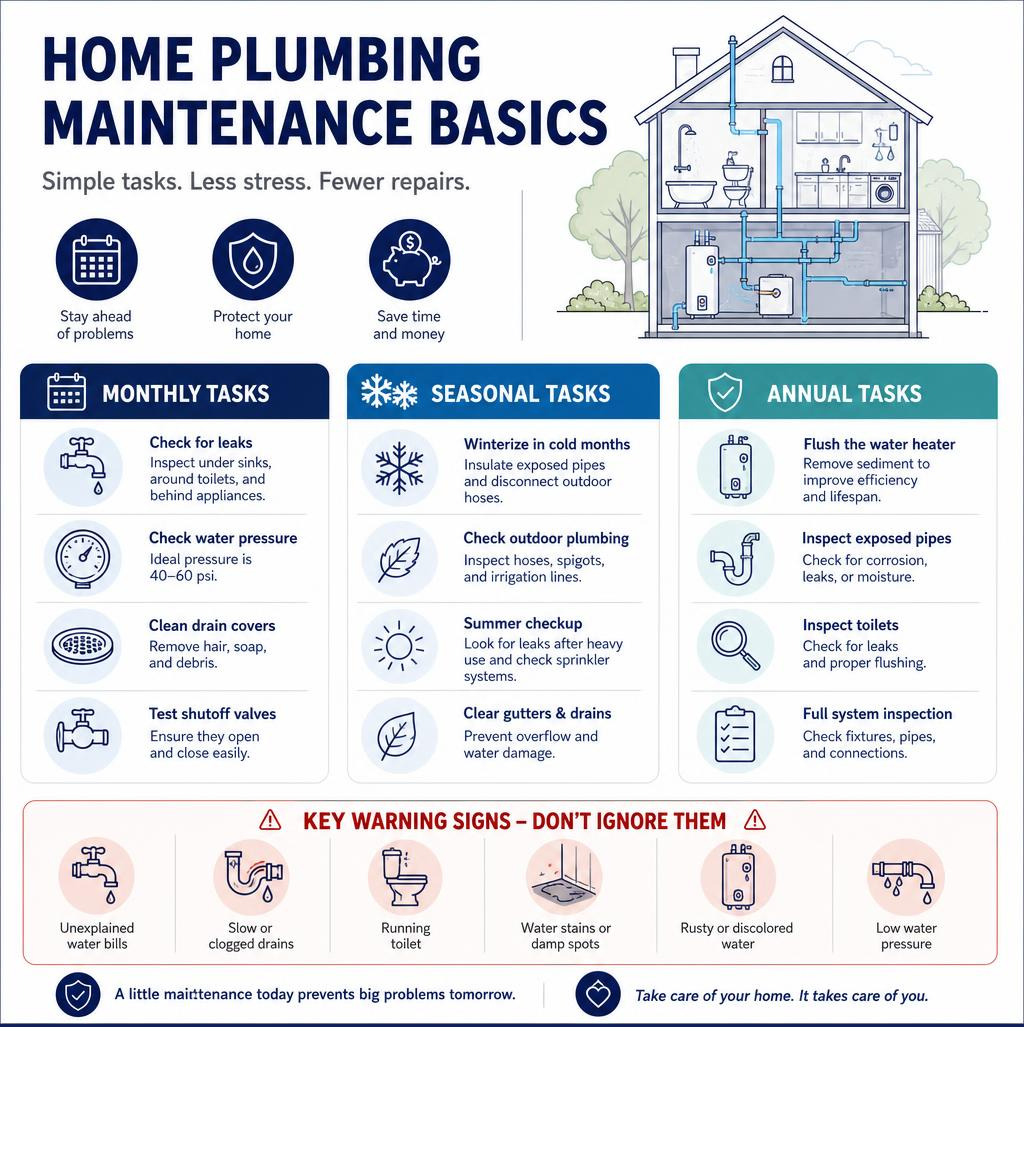
To build a reliable plumbing maintenance routine, it helps to understand the core pillars of your home’s system: leak detection, water pressure management, and proactive drain care. When any of these three areas are neglected, the system begins to degrade, leading to premature failures and unexpected household stress.
Leak Detection
Many homeowners believe that leaks are always obvious, such as a spraying pipe or a flooded basement. In reality, the most damaging leaks are slow, silent, and hidden behind walls or beneath floorboards. According to the Environmental Protection Agency (EPA), a single leaking faucet can waste up to 180 gallons of water per week. Left unchecked, even a minor drip can cause structural rot and hazardous mold growth within 24 to 48 hours. Regularly inspecting exposed pipes under sinks, around appliances, and in your crawl space is the first line of defense.
Water Pressure
Water pressure is the force driving water through your pipes. While a high-pressure shower feels great, excessive water pressure behaves like high blood pressure in the human body; it wears down valves, loosens joints, and can cause pipes to burst. Most residential plumbing fixtures and pipes are designed to withstand a maximum pressure of 60 to 80 pounds per square inch (PSI). If your home’s pressure regularly exceeds this range, you risk major pipe damage and slab leaks. Checking your water pressure annually with a simple screw-on gauge is a fundamental maintenance task.

Drain Care
Drains are the unsung heroes of daily life, but they easily accumulate soap scum, hair, food debris, and grease. Proactive drain care means stopping clogs before they form, rather than waiting for water to back up into your sink or tub. Keeping your household drains clear preserves the integrity of your drain lines and protects your main sewer line from expensive backups. To keep your system flowing smoothly, you can learn more about our plumbing maintenance services to see how professional care keeps your pipes clear.
Daily and Monthly Plumbing Maintenance Tasks
Preventative care does not have to be a massive, time-consuming project. By spending just ten minutes once a month on a few basic checks, you can catch minor issues before they escalate into costly repairs.
- Under-Sink Inspections: Grab a flashlight once a month and look under every sink in your home. Feel the pipes for moisture, look for corrosion around metal joints, and check for musty odors or damp cabinet floors.
- Preventing P-Trap Evaporation: Every sink, shower, and floor drain has a curved pipe underneath called a P-trap. This curve holds a small pool of water that acts as a seal, blocking toxic sewer gases from entering your home. In unused guest bathrooms, basements, or utility rooms, this water can slowly evaporate. To prevent this, run water down every unused fixture for 30 seconds monthly. For floor drains, adding a small splash of mineral oil on top of the water slows down evaporation significantly.
- The Food Coloring Toilet Test: A silently leaking toilet can waste anywhere from 30 to 200 gallons of water every single day, quietly adding a substantial amount to your monthly utility bill. To test your toilets, remove the tank lid and add a few drops of dark food coloring or dye tablets. Do not flush. Wait about 20 to 30 minutes. If the color starts creeping into the toilet bowl, your flapper valve is worn out and is no longer creating a tight seal. Replacing a flapper is a quick, inexpensive DIY fix that saves hundreds of gallons of water.
For more practical ways to keep your home’s systems running smoothly, you can discover smart plumbing maintenance tips to establish a simple, highly effective routine.
Seasonal Plumbing Maintenance for Cold Climates
Living in Anchorage, AK means dealing with extreme sub-zero winter temperatures. In our unique northern climate, winterizing your plumbing is not optional; it is a critical necessity. When water freezes inside a pipe, it expands with immense force, easily splitting copper, PEX, or steel lines.
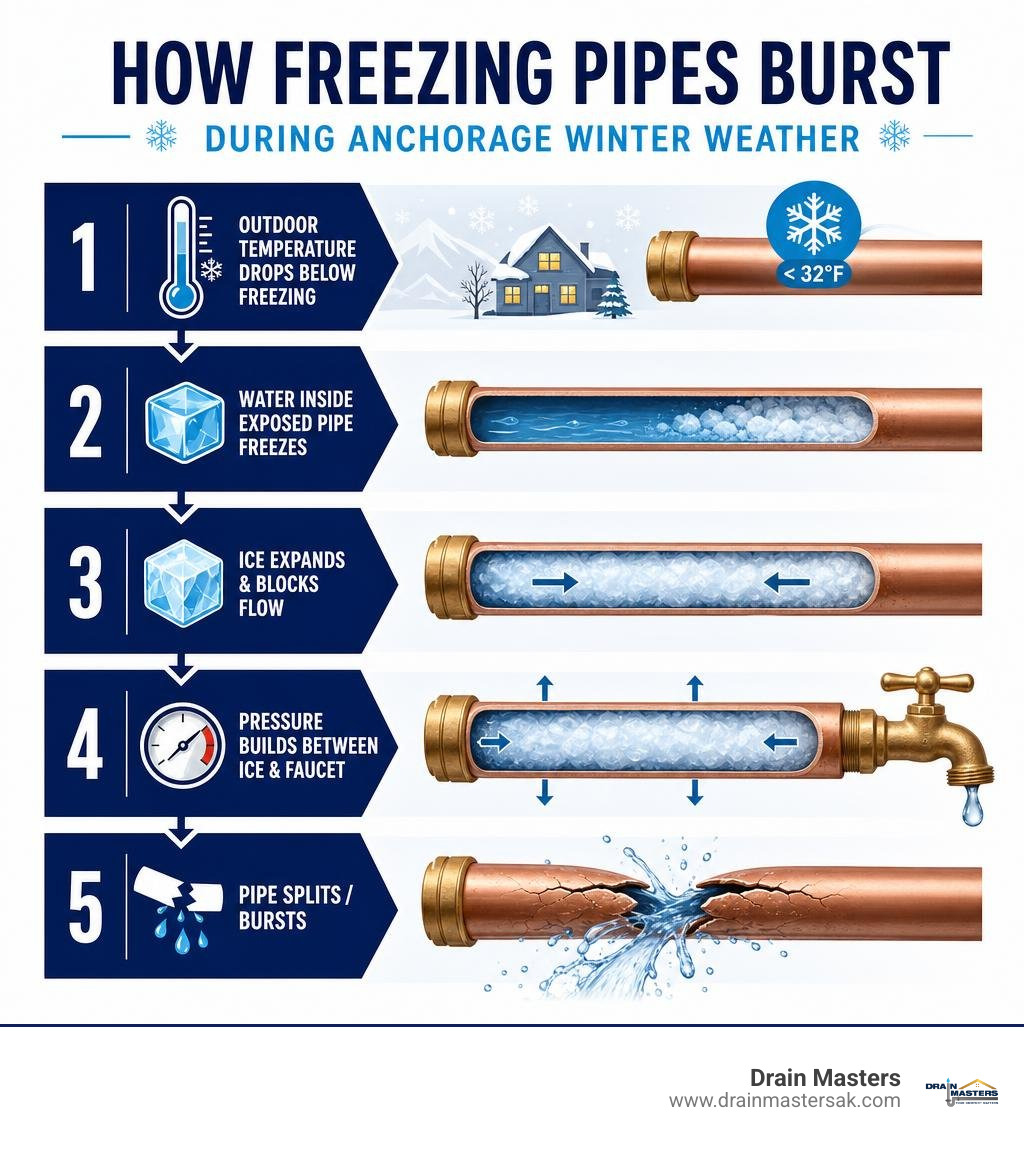
To prevent devastating winter freeze-ups and the major water damage that follows, follow this seasonal checklist:
- Disconnect and Drain Outdoor Hoses: Before the first hard freeze in autumn, disconnect all garden hoses from your outdoor spigots. If you leave a hose attached, water gets trapped inside the spigot and the pipe leading into your home. When that water freezes, it will burst the pipe right inside your wall.
- Shut Off and Drain Hose Bibs: If your home has interior shutoff valves for your outdoor spigots, turn them off. Then, go outside, open the exterior faucets, and let any remaining water drain completely. Leave the outdoor faucets open slightly through the winter.
- Insulate Exposed Pipes: Any water lines located in unheated spaces, such as crawl spaces, unheated basements, attics, or garages, must be insulated. Use pre-slit foam pipe sleeves, which are inexpensive and easy to slide over your pipes. Secure the seams with duct tape or zip ties.
- Drip Faucets During Extreme Cold: When outdoor temperatures plunge below 20°F for extended periods, leave a faucet on the home’s exterior wall dripping slightly. A slow trickle of water keeps water moving through the pipes, making it much harder for ice to form and relieving pressure if freezing does begin.
- Maintain Indoor Heat: If you go on vacation during the winter, never turn your home’s heating system off. Keep your thermostat set to at least 55°F to ensure that the air surrounding your indoor pipes remains warm enough to prevent freezing.
As the snow melts and warmer weather returns, it is equally important to inspect your system for hidden winter damage. You can start preparing for the warmer months by preparing with spring plumbing checkups to make sure your pipes survived the winter unscathed.
How to Maintain Your Water Heater and Major Appliances
Your water heater and laundry appliances are among the hardest-working systems in your home. Without regular attention, their performance drops, utility bills rise, and their overall lifespan is cut short.
Water Heater Sediment and Anode Rods
Over time, minerals like calcium and magnesium naturally settle out of your water and accumulate at the bottom of your water heater tank. This sediment forms a thick barrier between the burner or heating elements and the water, forcing the system to work much harder to heat your water. This reduces energy efficiency by up to 40% and causes the tank bottom to overheat, weakening the steel and leading to premature tank failure.
Additionally, tank-style water heaters rely on a sacrificial anode rod, which is a metal rod that attracts corrosive elements in the water so they eat away the rod instead of your tank. You should inspect this rod every year after your water heater reaches three years of age. If the rod is rusted thin or completely degraded, replacing it immediately can double the life of your water heater.
Washing Machine Hoses
One of the most common causes of catastrophic indoor flooding is a burst washing machine supply hose. Standard rubber hoses degrade over time, developing tiny cracks, bulges, and blisters under constant water pressure. Inspect these hoses annually. If you notice any signs of wear, or if your hoses are more than five years old, replace them immediately. Upgrading to braided stainless steel hoses provides a much stronger defense against sudden bursts.
To keep your entire home on track, you can consult a comprehensive guide by reviewing a comprehensive checklist to manage these critical appliance tasks year-round.

Step-by-Step Water Heater Flushing Guide
Flushing your water heater once a year is a highly effective way to clear out sediment and keep the appliance running efficiently.
Safety Warning: This process involves working with extremely hot water and electrical or gas components. If you do not feel comfortable performing these steps safely, always call a licensed professional.
1. Turn Off the Power Source
- For Gas Heaters: Turn the gas control valve knob to the “Pilot” or “Off” position.
- For Electric Heaters: Turn off the dedicated circuit breaker in your home’s main electrical panel. Never run an electric water heater without water in the tank, as doing so will instantly burn out the heating elements.
2. Shut Off the Cold Water Supply
Locate the cold water inlet valve at the top of the water heater and turn it completely off.
3. Connect a Garden Hose
Attach a standard garden hose to the drain valve located near the bottom of the water heater tank. Route the other end of the hose to a safe drainage location, such as a floor drain, a utility sink, or outdoors.
4. Open a Hot Water Faucet
Turn on a hot water faucet on the main floor of your home (such as a kitchen or bathroom sink). This allows air into the system, breaking the vacuum and letting the water drain out of the tank smoothly.
5. Open the Drain Valve
Carefully open the drain valve on the water heater. The water flowing out may contain white or brown mineral flakes. Let the tank drain completely.
6. Flush with Fresh Water
Once the tank is empty, briefly turn the cold water supply valve back on for a minute or two. This sends fresh water rushing into the bottom of the tank, stirring up and flushing out any remaining stubborn sediment. Repeat this step until the water running out of the hose is completely clear.
7. Refill and Restore Power
- Close the water heater drain valve and disconnect your garden hose.
- Turn the cold water supply valve back on to fill the tank.
- Keep the indoor hot water faucet open until water flows out in a steady stream without sputtering air, then turn it off.
- Once the tank is completely full, restore power to the unit (turn the gas valve back to “On” or flip the electric breaker back on).
Protecting Your Drains and Sewer Lines from Costly Clogs
Your home’s drains and main sewer line are out of sight, which makes them easy to forget until a backup occurs. Clogs rarely happen instantly; they are usually the result of weeks or months of accumulated debris.
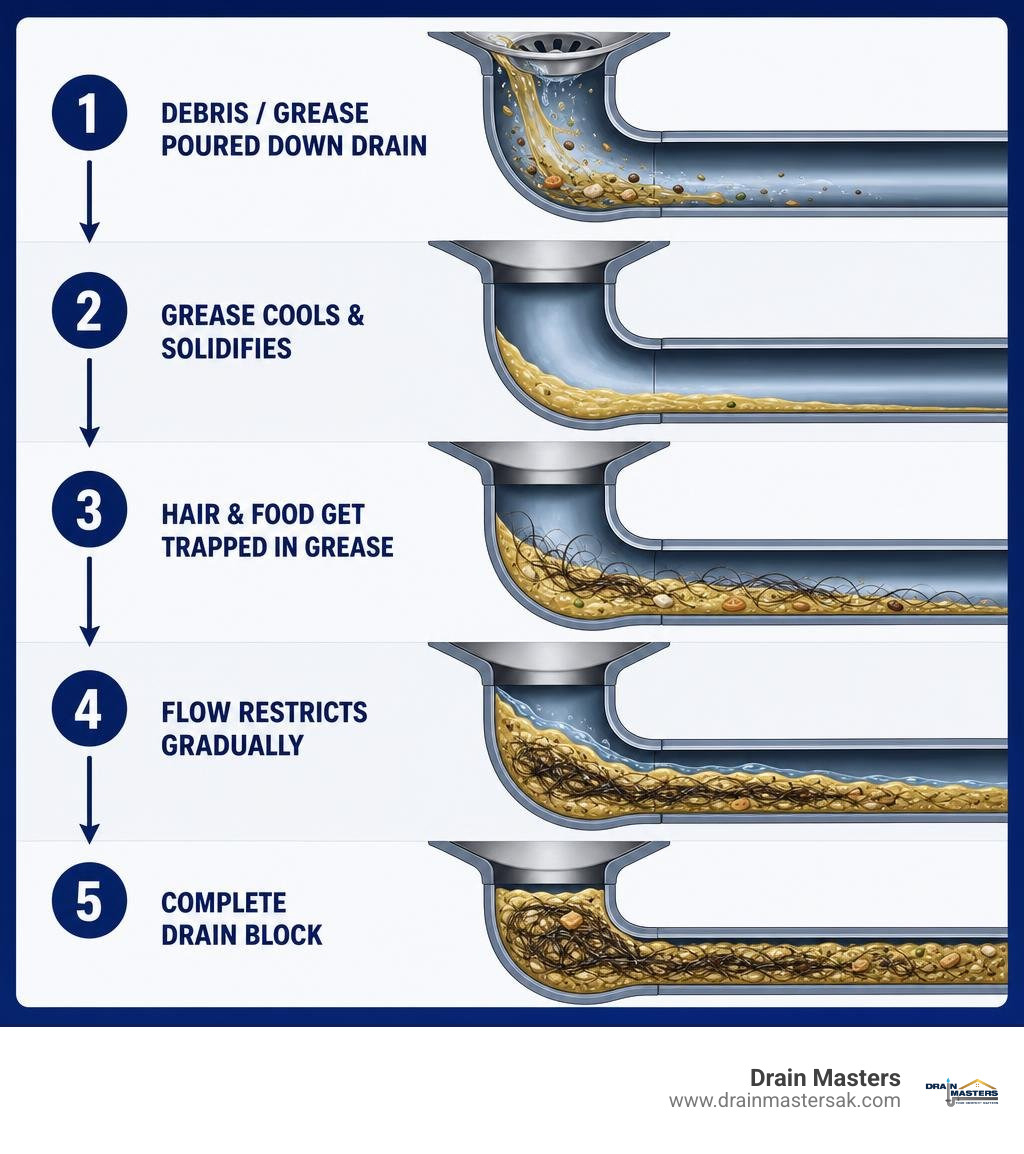
To protect your system, you must manage what goes down your drains. This is especially true for older homes with cast iron or clay pipes, which are highly susceptible to corrosion and root intrusion. You can read about preventive care for aging homes to understand how older plumbing systems require specialized care to prevent major line failures.
What Never to Flush or Put Down the Drain
Maintaining clear drains is largely a matter of establishing good habits. To keep your pipes flowing freely, avoid letting these common troublemakers enter your plumbing system:
- The “Flushable” Wipes Myth: Despite what the packaging claims, flushable wipes do not disintegrate in water like toilet paper. Instead, they remain intact, catching on pipe joints, tree roots, and rough edges inside your sewer line, quickly forming tough, solid blockages. The only things that should ever be flushed down a toilet are human waste and toilet paper.
- Fats, Oils, and Grease (FOG): Warm grease poured down a kitchen sink looks like a liquid, but as soon as it enters your cold sewer pipes, it cools, solidifies, and clings to the pipe walls. Over time, this grease trap catches other food particles, acting like a plaque that narrows the pipe until it is completely blocked. Always pour cooking grease into a disposable container, let it cool, and throw it in the trash.
- Fibrous Foods and Coffee Grounds: Celery, onion skins, pasta, potato peels, and coffee grounds should never go down your garbage disposal. Fibrous materials wrap around the disposal blades, while coffee grounds settle in the P-trap, forming a dense, sludge-like paste.
- Avoid Chemical Drain Cleaners: When a clog occurs, many homeowners reach for harsh chemical drain cleaners. These products rely on strong acids or caustic chemicals that generate intense heat to dissolve blockages. This heat can warp or melt plastic PVC pipes and corrode older metal lines, leading to underground leaks. Instead, use natural enzyme-based drain cleaners, which use safe, living bacteria to eat away organic buildup without damaging your pipes.
- Install Hair Catchers: In the bathroom, hair is the number-one cause of slow drains. Installing inexpensive mesh strainers or hair catchers over your tub and shower drains prevents hair from binding with soap scum and forming clogs deep inside your walls.
When to Call a Professional vs. DIY Maintenance
While many plumbing maintenance tasks are perfectly safe for homeowners to tackle on their own, some situations require specialized tools and expert training. Knowing when to step back and call a professional can save you from accidental water damage, voided appliance warranties, or personal injury.
| Plumbing Task | DIY-Friendly? | Why/When to Call a Professional |
|---|---|---|
| Testing Water Pressure | Yes | Call if pressure is consistently above 80 PSI to install a pressure reducing valve (PRV). |
| Clearing Minor Sink Clogs | Yes | Call if multiple drains are backing up at once, indicating a main sewer line blockage. |
| Flushing a Water Heater | Yes | Call if the drain valve is stuck, rusted, or if you are uncomfortable working with gas/electricity. |
| Replacing a Toilet Flapper | Yes | Call if the entire toilet toilet is leaking from the base, which requires replacing the wax ring. |
| Inspecting Sewer Lines | No | Requires professional video pipe inspection cameras to locate deep roots, cracks, or bellies. |
| Repairing Slab Leaks | No | Requires specialized leak detection equipment and advanced excavation tools. |
Safety Guidelines for DIY Plumbing
If you choose to handle basic repairs yourself, always prioritize safety. Locate your main water shutoff valve before you begin so you can quickly stop the flow of water in an emergency. Always wear safety glasses when working beneath sinks or handling tools, and never force a stuck valve or pipe joint, as too much force can easily snap a pipe and cause an immediate flood.
For complex issues, deep clogs, or annual system inspections, relying on professional plumbing services ensures your home’s system is thoroughly evaluated using advanced diagnostic equipment, giving you complete peace of mind.
Frequently Asked Questions About Plumbing Maintenance
How often should I perform plumbing maintenance?
You should perform quick monthly checks on your sinks, toilets, and unused drains. Seasonal winterization tasks should be completed every autumn before freezing temperatures arrive. Finally, you should schedule a comprehensive professional plumbing inspection once every year to identify hidden issues deep within your system.
How do I detect a silent toilet leak?
Remove the lid of your toilet tank and add a few drops of dark food coloring or dye tablets to the water. Do not flush the toilet. Wait 20 to 30 minutes, then check the toilet bowl. If the colored water has seeped into the bowl, your flapper valve is worn out and needs to be replaced.
What is the ideal water pressure for a home?
The ideal residential water pressure is between 40 and 60 PSI. If your home’s water pressure is consistently above 80 PSI, it puts excessive stress on your pipes, joints, and appliances, which can lead to leaks and burst pipes.
How often should a water heater be flushed?
You should flush your water heater tank at least once a year to clear out sediment buildup. If you live in an area with hard water, you may need to flush the tank every six months to keep the heating elements running efficiently and prevent premature tank failure.
Can I use chemical drain cleaners for clogs?
It is best to avoid chemical drain cleaners entirely. The harsh chemicals generate intense heat that can crack plastic PVC pipes, corrode older metal lines, and cause leaks. Instead, use a plunger, a drain snake, or safe, natural enzyme-based drain cleaners.
What should never go down a garbage disposal?
Never put cooking grease, oils, coffee grounds, eggshells, potato peels, celery, onion skins, pasta, or hard bones down your garbage disposal. These items can damage the blades, clog your drain lines, or wrap around the motor.
How do I prevent my pipes from freezing in winter?
To prevent frozen pipes, disconnect and drain all outdoor hoses before winter, insulate exposed pipes in unheated spaces, and keep your indoor thermostat set to at least 55°F. During extreme cold snaps, leave a faucet on an exterior wall running with a very slow drip.
How often should washing machine hoses be replaced?
Washing machine supply hoses should be inspected annually and replaced every five years. If you notice any signs of cracking, bulging, or blistering before then, replace them immediately. Upgrading to braided stainless steel hoses is highly recommended.
What are the signs of a hidden pipe leak?
Common signs of a hidden pipe leak include unexplained spikes in your monthly water bill, musty odors, damp spots on walls or ceilings, warped flooring, peeling wallpaper, and the sound of running water when all your home’s fixtures are turned off.
When is a professional sewer line inspection necessary?
You should schedule a professional sewer line camera inspection if you experience frequent, recurring clogs, if multiple drains in your home back up at the same time, or if you notice wet, soggy patches or foul sewer odors in your yard.
Conclusion
Taking a proactive approach to plumbing maintenance is the single best way to protect your home from sudden, costly emergencies. By keeping an eye on your water pressure, performing simple monthly checks, and taking steps to winterize your system before the cold Anchorage, AK winter sets in, you can keep your pipes flowing smoothly and extend the lifespan of your appliances.
When you need professional assistance, Drain Masters is here to help. As a family-owned business serving Anchorage, AK for over 20 years, we complete over 4,000 jobs annually. We utilize advanced diagnostic tools, including high-resolution video pipe inspections, and provide upfront pricing so you always know what to expect. Protect your home and your peace of mind; contact Drain Masters to schedule your plumbing maintenance today.