

When Your Drains Are Sending You a Warning: Understanding Sewer Clog Repair
Sewer clog repair is the process of diagnosing and clearing blockages in your main sewer line, the underground pipe that carries all wastewater away from your home. Here is a quick overview of what you need to know:
Quick answer: How to address a sewer line clog
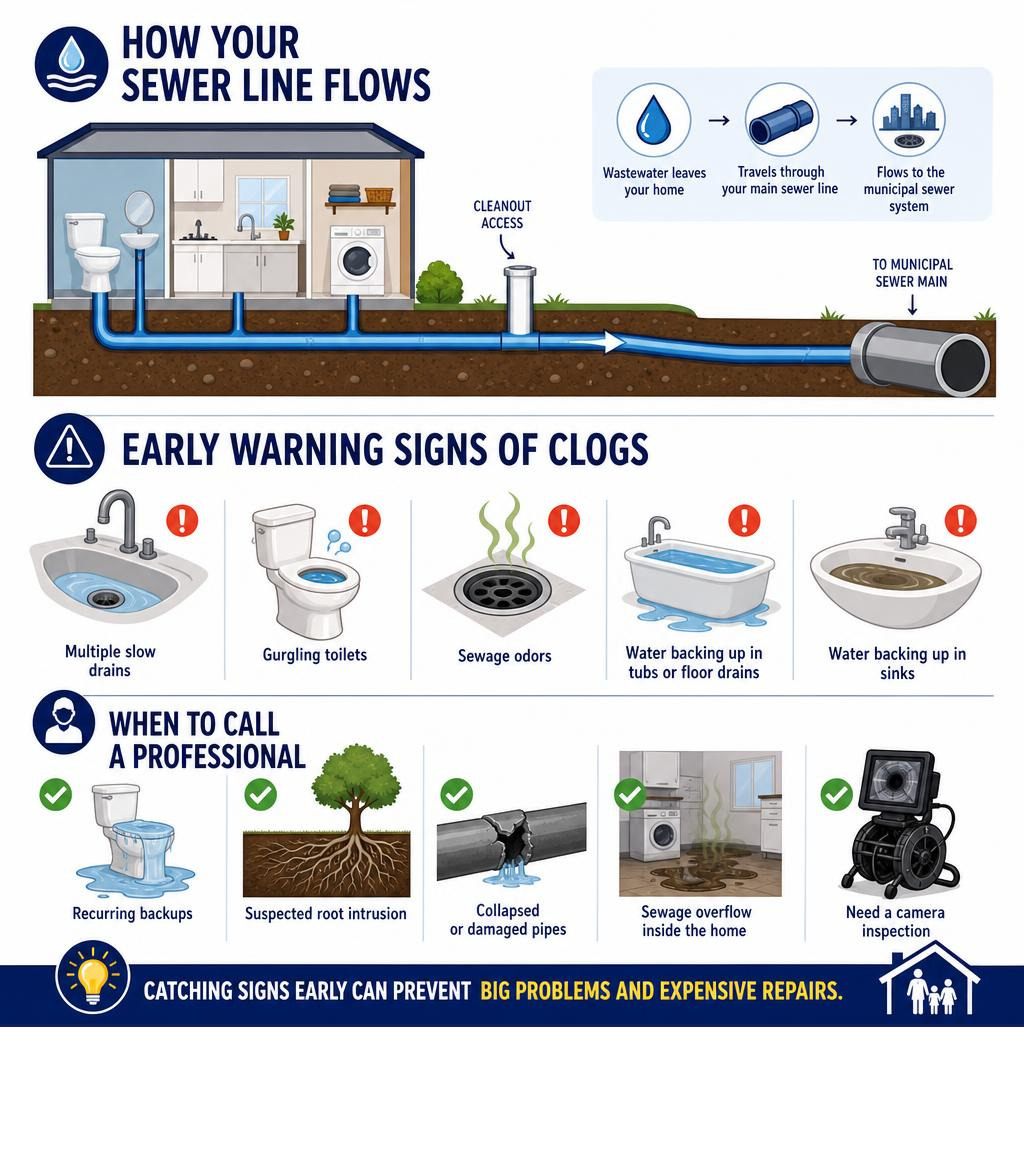
- Spot the signs early: multiple slow drains, gurgling toilets, sewage odors, or water backing up in tubs or floor drains
- Stop using water: running more water into a clogged system makes backups worse
- Try basic DIY steps: only for minor clogs, using a drum auger at the cleanout with proper safety gear
- Call a professional: for recurring backups, suspected root intrusion, collapsed pipes, or any sewage overflow inside the home
- Get a camera inspection: a professional can identify the exact cause before recommending a repair method
A sewer clog is not just an inconvenience. When your main sewer line backs up, every drain in your home is affected. Toilets, tubs, sinks, and floor drains can all stop working at once. Left untreated, a clogged sewer line can cause sewage to back up into your home, creating serious health hazards and costly damage.
The good news is that catching the warning signs early makes a big difference. A slow drain or a gurgling toilet might not seem urgent, but these are often the first signals that something is building up in your main line. Acting quickly can mean the difference between a routine cleaning and an expensive repair.
I’m Debra Blouin, General Manager of Drain Masters here in Anchorage, AK, and with over two decades of hands-on experience in the plumbing and drain industry, I’ve seen how early action on sewer clog repair saves homeowners significant time, stress, and money. In this guide, I’ll walk you through everything you need to know, from spotting the warning signs to understanding your repair options.
What Causes a Clogged Sewer Line?
A sewer line clog usually does not happen overnight. Most blockages build slowly as debris, grease, roots, scale, and damaged pipe sections reduce the space wastewater has to move through. Eventually, the pipe cannot keep up, and water starts backing up into the home.
The most common causes include:
- Tree roots entering through cracks or loose joints
- Fats, oils, and grease hardening inside the line
- Flushable wipes, paper towels, hygiene products, and other non-flushable items
- Mineral scale and pipe buildup
- Aging clay, cast iron, or deteriorated sewer pipe
- Shifting soil, sagging pipes, or pipe bellies
- Frozen ground stress and seasonal movement common around Anchorage, AK homes
If your home has repeat clogs, it is worth understanding what leads to recurring clogs before assuming another quick snake will solve it.
Tree Root Intrusion and Pipe Damage
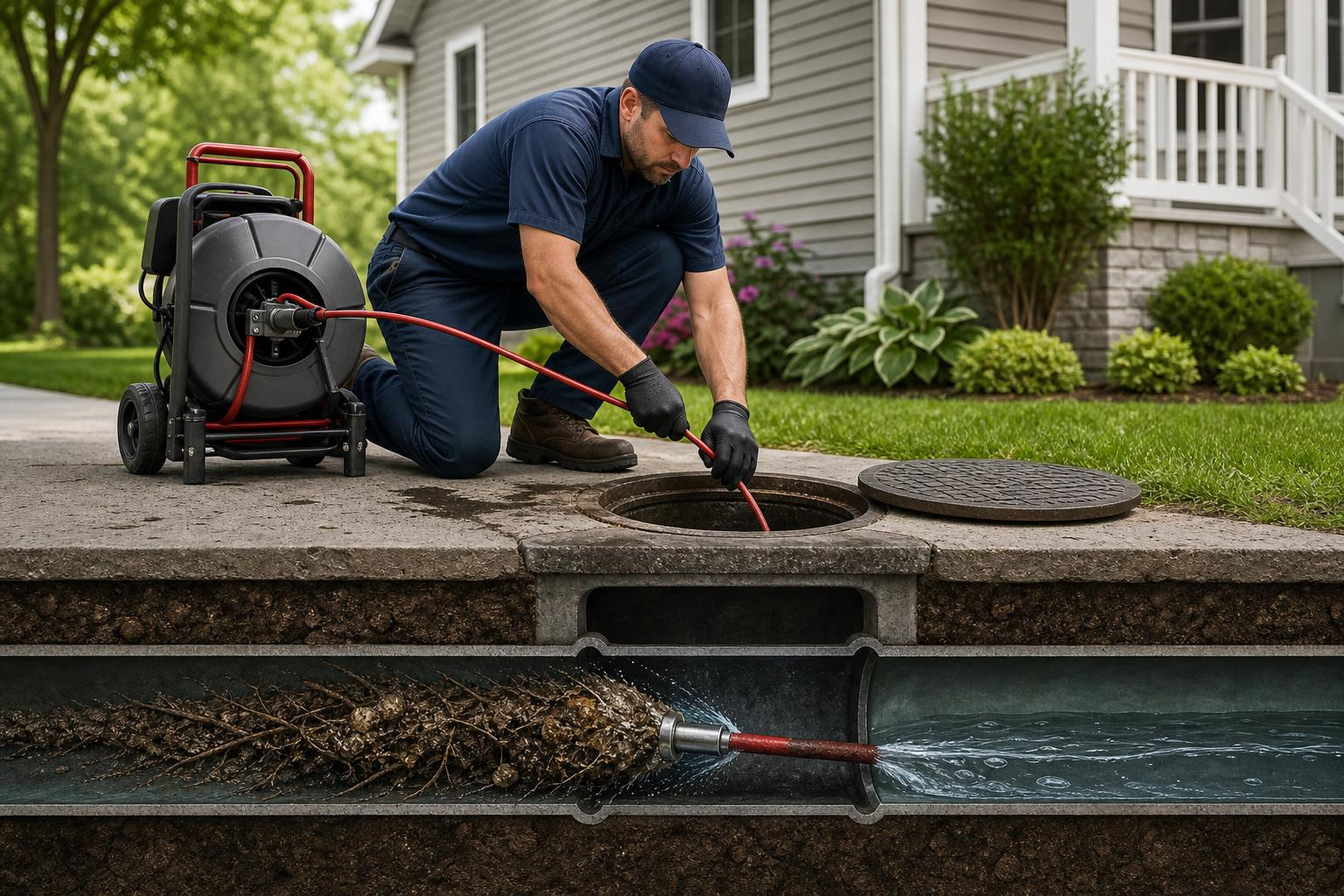
Tree roots are one of the biggest culprits behind main sewer line clogs, especially in older homes. Roots naturally seek moisture and nutrients. A sewer line with even a small crack, loose joint, or weak spot can become a target.
Once roots enter the pipe, they act like a net. Toilet paper, grease, food particles, and other debris catch on the roots until the line becomes restricted or fully blocked. Basic drain clearing may cut through enough roots to restore flow temporarily, but if the pipe is still cracked, the roots can return.
Older clay and cast iron pipes are more vulnerable because they can crack, corrode, separate at joints, or shift as soil moves. In Anchorage, AK, freeze-thaw cycles and ground movement can add extra stress to underground lines. A pipe that was fine for decades can eventually develop small openings that allow roots and debris in.
That is why root problems often need more than just a quick clearing. If you have repeated root-related backups, read more about why root problems often need more than basic drain clearing.
Debris Accumulation and Mineral Scale
Not every sewer clog starts outside. Many begin with everyday household habits.
Grease is a major example. When fats, oils, and grease go down a drain, they may be liquid at first. But as they cool, they harden and cling to the pipe walls. Over time, that sticky layer catches food scraps, soap residue, hair, and other debris.
Other common blockage builders include:
- Flushable wipes, which often do not break down like toilet paper
- Paper towels and napkins
- Feminine hygiene products
- Cotton swabs and dental floss
- Coffee grounds
- Eggshells and fibrous foods
- Excess toilet paper
- Soap scum and hair
- Mineral scale from hard water
Pipe scale is especially sneaky. As minerals and residue collect inside the pipe, the opening gets narrower. The drain may still work, but it becomes easier for small debris to create a major clog. Think of it like a road losing lanes during construction. Traffic may move for a while, but sooner or later, everything jams up.
Warning Signs You Need Sewer Clog Repair
The earlier you recognize a sewer line clog, the easier it usually is to address. A single slow sink might be a local drain issue. But when several fixtures act strangely at the same time, your main line may be involved.
Watch for these warning signs:
- Multiple drains slowing down at once
- Toilets bubbling or gurgling
- Water backing up into tubs, showers, or floor drains
- Sewage odors inside or outside the home
- A washing machine causing nearby drains to overflow
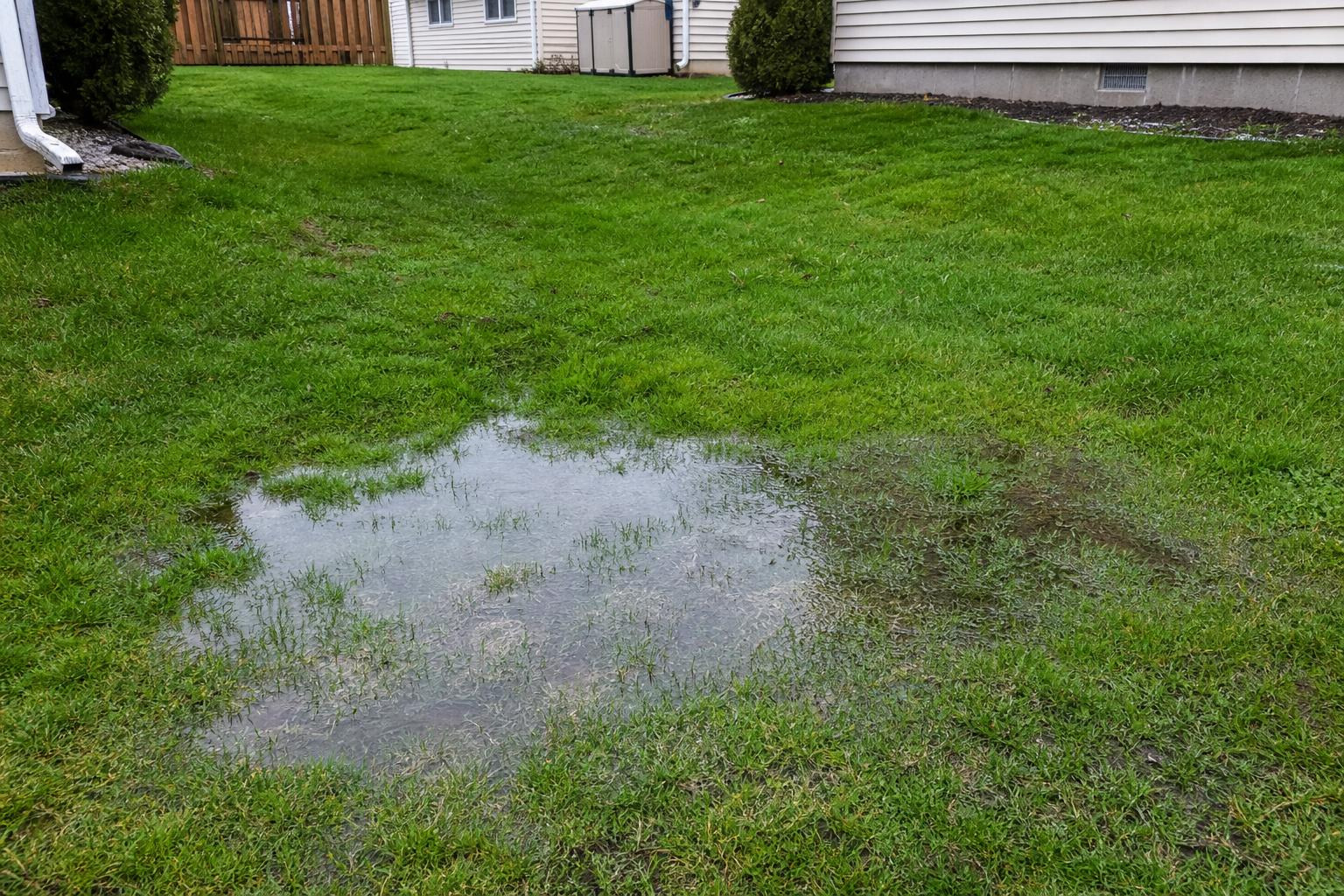
- Unusually wet or soggy lawn patches
- Extra green grass over the sewer line
- Repeat clogs that return after clearing
For a deeper look at symptoms, we recommend spotting drain repair warning signs early.
Multiple Slow Drains and Gurgling Fixtures
Your plumbing system relies on gravity and proper venting to move wastewater out of the home. When the main sewer line is partially blocked, water and air cannot move normally. That is why you may hear gurgling in one fixture when another is running.
Common examples include:
- The toilet bubbles when the shower runs
- The tub gurgles after you flush
- The bathroom sink drains slowly while the toilet struggles
- The washing machine drains and water appears in a floor drain
- The lowest drain in the home backs up first
The lowest drain is often the first place trouble appears because wastewater follows gravity. In many homes, that means a basement floor drain, lower-level shower, or tub. If water shows up somewhere it definitely was not invited, your sewer line may be waving a little white flag.
Sewage Backups and Odors
Sewage backup is a plumbing emergency. If wastewater is coming up through a drain, stop using water immediately. Do not flush toilets, run sinks, start the dishwasher, or do laundry. Adding more water can push more sewage into the home.
Raw sewage can contain bacteria, viruses, and other contaminants. Keep children and pets away from affected areas, avoid direct contact, and do not try to clean deep contamination without proper protection.
Sewer gas odors are another warning sign. A rotten-egg or sewage smell may indicate a backup, damaged pipe, dried trap, or venting issue. Either way, strong sewer smells should not be ignored.
Call a professional right away if:
- Sewage is backing up indoors
- Multiple fixtures are affected
- Odors are strong or persistent
- The cleanout is overflowing
- Water keeps returning after plunging or snaking
DIY vs. Professional Sewer Clog Repair
Some minor clogs can be handled safely by a careful homeowner. Main sewer line clogs are different. They involve wastewater, pressure, underground piping, and the possibility of pipe damage. DIY work can help in limited cases, but it is important to know where the line is between “reasonable attempt” and “time to call someone with bigger tools.”
| Option | Best For | Limitations | Safety Notes |
|---|---|---|---|
| DIY hot water | Minor grease or soap buildup | Will not fix roots, collapsed pipes, or heavy blockages | Do not use during an active backup |
| Baking soda and vinegar | Light odor or minor drain residue | Not strong enough for most main line clogs | Avoid mixing with chemical cleaners |
| Drum auger at cleanout | Some reachable soft clogs | Can get stuck or damage weak pipe if forced | Wear gloves and eye protection |
| Professional snaking | Clearing many main line obstructions | May not fully clean pipe walls | Best when performed with proper equipment |
| Hydro-jetting | Grease, sludge, and heavy buildup | Not ideal for severely damaged pipes without inspection | Camera inspection may be needed first |
| Pipe repair or lining | Cracks, roots, bellies, or deterioration | More involved than cleaning | Requires professional diagnosis |
DIY Sewer Clog Repair: What Homeowners Can Safely Try
If there is no sewage overflow and the clog seems minor, you may be able to take a few safe first steps.
Start here:
- Stop using water throughout the home.
- Put on waterproof gloves, eye protection, and old clothes.
- Locate the sewer cleanout if your home has one.
- Open the cleanout cap slowly while standing to the side.
- If wastewater is under pressure or spills out, stop and call a plumber.
- If the line is not overflowing, a properly sized drum auger may help clear a soft blockage.
- Run water cautiously afterward to test whether flow has returned.
For minor grease buildup, hot water may help if the drain is still moving. Baking soda and vinegar can sometimes freshen a sluggish drain, but it is not a reliable fix for a true main sewer clog.
Avoid chemical drain cleaners for main line blockages. They can damage pipes, create dangerous fumes, splash back during snaking, and sit in the line if the clog does not clear. That is a bad soup nobody wants to meet.
If you want a step-by-step safety overview, see our guide on safe first steps for clearing a sewer blockage.
When to Call a Professional for Sewer Clog Repair
Call a professional for sewer clog repair when the issue is more than a simple, isolated clog. In our experience, it is time to bring in help if:
- Sewage is backing up into the home
- More than one drain is affected
- The same clog keeps returning
- You suspect tree roots
- You hear repeated gurgling across fixtures
- The cleanout is overflowing
- A snake hits hard resistance
- You live in an older home with clay or cast iron piping
- You suspect a collapsed, cracked, or sagging pipe
- You cannot access the cleanout safely
Professional help is not just about convenience. It is about protecting your home, your health, and your plumbing system. A main sewer line is not the place to “try one more thing” for three days while wastewater quietly plans a comeback.
If DIY steps do not resolve the issue quickly and safely, contact a qualified sewer professional. If sewage is present, skip DIY altogether.
Professional Methods for Diagnosing and Clearing Sewer Clogs
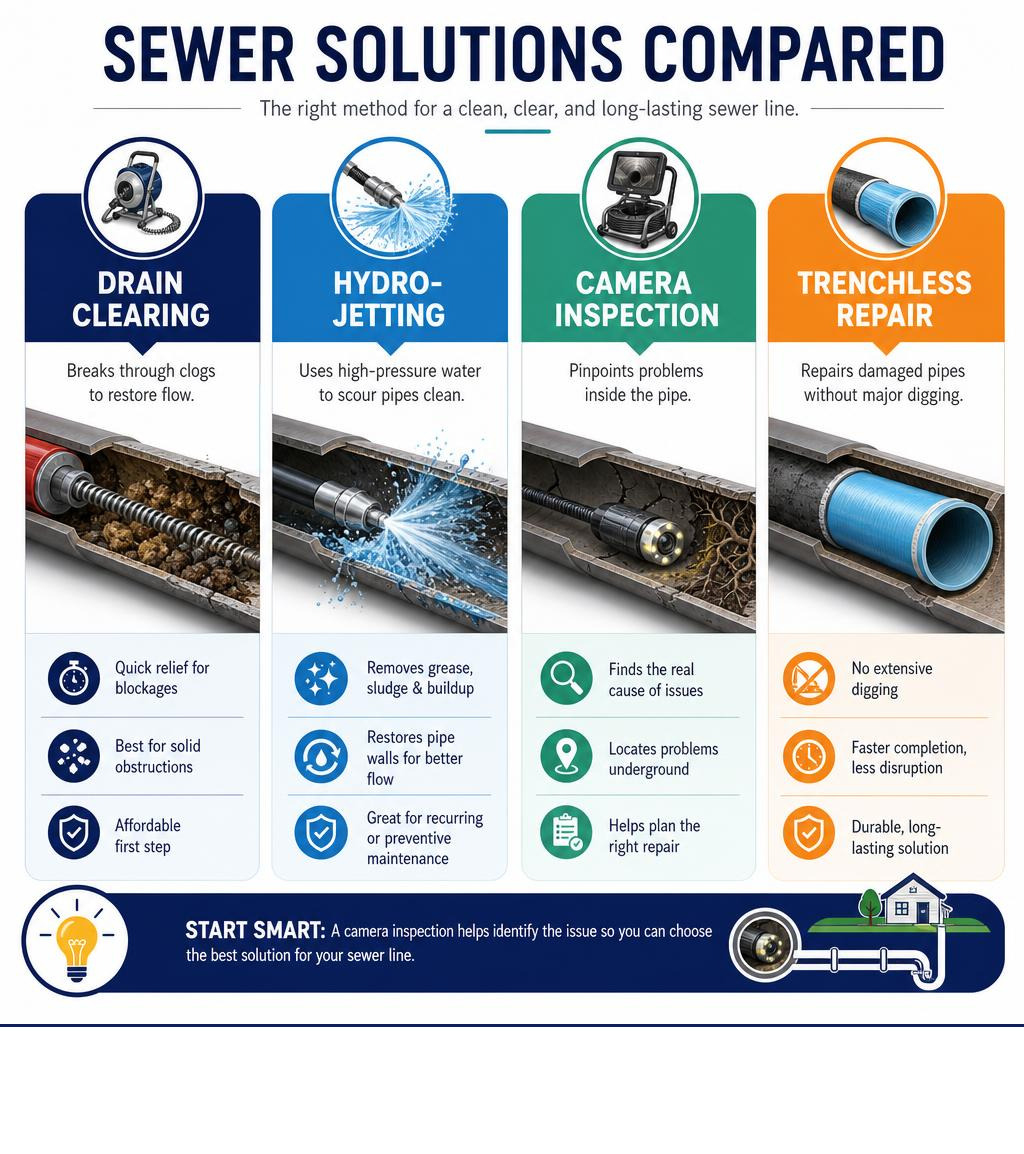
The best sewer repair starts with diagnosis. Clearing the line without understanding the cause can lead to repeat backups. That is why we use professional tools to identify what is happening inside the pipe before recommending the next step.
Common professional methods include:
- Sewer camera inspection
- Line locating
- Mechanical snaking or augering
- High-pressure hydro-jetting
- Root cutting
- Pipe descaling or milling when appropriate
- Pipe lining or trenchless repair
- Traditional repair or replacement when necessary
Advanced Diagnostic Tools
A sewer camera inspection gives us a real-time view inside the pipe. Instead of guessing, we can look for:
- Tree root intrusion
- Grease buildup
- Heavy sludge
- Mineral scale
- Cracks or breaks
- Offset joints
- Pipe bellies where waste collects
- Collapsed sections
- Foreign objects
- Poor slope or drainage problems
Line locating can also help determine where the problem is underground and how deep the pipe sits. This is especially useful if repair is needed because it helps reduce unnecessary digging.
For Anchorage homeowners dealing with repeat sewer issues, booking a local sewer camera inspection can be one of the smartest first steps. It gives everyone a clearer picture of whether the line needs cleaning, repair, or replacement.
High-Pressure Hydro-Jetting and Pipe Rehabilitation
Hydro-jetting uses high-pressure water to scour the inside of the pipe. Unlike basic clearing, which may only punch a hole through the blockage, jetting can remove grease, sludge, and buildup from the pipe walls.
Hydro-jetting can help with:
- Grease-heavy lines
- Sludge buildup
- Recurring soft blockages
- Scale reduction in some cases
- Debris left after root cutting
- Preventive cleaning for problem lines
However, hydro-jetting should be used wisely. Older clay, brittle cast iron, or already damaged pipe should be inspected first. If the pipe is cracked or collapsing, high-pressure cleaning may not be the right first move.
When structural damage is present, cleaning alone may not solve the problem. Options such as cured-in-place pipe lining, trenchless repair, or targeted replacement may be recommended depending on the condition of the line. Pipe lining creates a new interior surface inside the existing pipe, while other trenchless methods can replace damaged pipe with less excavation than traditional digging.
To learn more about when jetting makes sense, read about how hydro-jetting helps clear stubborn buildup.
What Affects Sewer Line Cleaning and Repair Costs?
Pricing can vary depending on several factors, so it is best to get an estimate after the line has been evaluated. We do not recommend choosing a repair method based on price alone because the least expensive short-term option is not always the best long-term fix.
Factors that can affect cost include:
- Whether a camera inspection is needed
- How severe the clog is
- Whether the blockage is grease, roots, scale, debris, or a foreign object
- Whether the home has an accessible cleanout
- Pipe depth and location
- Pipe material and age
- Whether the line is damaged or only blocked
- Whether snaking, hydro-jetting, or repair is needed
- Whether excavation or trenchless work is required
- Seasonal access and ground conditions in Anchorage, AK
A simple clearing is usually less involved than a repair for broken pipe, root intrusion, or a collapsed section. But if the clog keeps coming back, repeated quick fixes can add up. A camera inspection can help you avoid paying again and again for temporary relief.
At Drain Masters, we focus on upfront guidance, clear recommendations, and practical options based on what your sewer line actually needs.
How to Prevent Future Sewer Line Blockages
Prevention is not glamorous, but neither is sewage in the bathtub. A few good habits can reduce your risk of future clogs.
Here is what we recommend:
- Never flush wipes, even if the package says “flushable”
- Flush only toilet paper and human waste
- Keep fats, oils, and grease out of drains
- Pour cooled grease into a container and throw it away
- Use drain strainers in sinks, tubs, and showers
- Avoid sending coffee grounds, eggshells, and fibrous foods down the drain
- Run plenty of water when using the garbage disposal
- Schedule maintenance if you have recurring clogs
- Keep your cleanout accessible year-round
- Consider camera inspections for older homes or repeat issues
- Address slow drains before they become backups
The EPA also recommends keeping grease, wipes, hygiene products, and other clog-causing materials out of drains whenever possible; their household wastewater care guidance is a helpful reference for drain-friendly habits that can reduce stress on your plumbing system.
Anchorage, AK homeowners should also think seasonally. Snow, frozen ground, thaw cycles, and shifting soil can all affect underground plumbing. Before winter sets in, make sure cleanouts are accessible and known problem drains are checked. During spring thaw, pay attention to soggy lawn areas or sudden changes in drainage.
If your sewer line has a history of roots or buildup, a preventive maintenance plan can help you stay ahead of problems instead of waiting for the next surprise backup. Sewer lines do not send calendar invites, unfortunately.
Frequently Asked Questions about Sewer Clog Repair
What are the first signs of a clogged sewer line?
The first signs of a clogged sewer line are usually multiple slow drains, gurgling toilets, sewer odors, and water backing up in the lowest drain in the home. You may also notice that using one fixture affects another, such as flushing a toilet and seeing water rise in the shower. If several fixtures act up at once, the main sewer line may be blocked.
Can tree roots grow back after sewer cleaning?
Yes. Sewer cleaning can cut or remove roots inside the pipe, but roots can grow back if the pipe still has cracks, open joints, or damaged sections. Cleaning restores flow, but permanent repair may be needed to stop the entry point. A camera inspection helps determine whether root intrusion is a one-time cleaning issue or a sign of pipe damage.
Is hydro-jetting safe for older pipes?
Hydro-jetting can be safe and effective, but older pipes should be inspected first. Clay, cast iron, or deteriorated lines may have cracks or weak areas that need evaluation before high-pressure cleaning. A sewer camera inspection helps confirm whether hydro-jetting is appropriate or whether another method is safer.
How often should I have my sewer line inspected?
Inspection frequency depends on your home’s age, pipe material, tree coverage, and clog history. If you have recurring backups, older sewer piping, or suspected root problems, inspections may be needed more often. For homes without symptoms, a preventive inspection every few years or before a major property purchase can be helpful.
What is the difference between drain clearing and drain cleaning?
Drain clearing removes enough of the blockage to get water flowing again. Drain cleaning is more thorough and focuses on removing buildup from the pipe walls. Clearing may be a temporary fix, while cleaning can help reduce repeat clogs, especially when grease, sludge, or scale is part of the problem.
Does homeowner’s insurance cover sewer line repair?
It depends on your policy. Some insurance policies may cover sudden damage or sewer backup if you have the right endorsement, while wear and tear, age-related deterioration, root intrusion, or poor maintenance may be excluded. Review your policy and ask your insurance provider about sewer backup coverage and underground service line protection.
Can I use chemical drain cleaners on a main sewer line?
We do not recommend chemical drain cleaners for main sewer line clogs. They can corrode pipes, create fumes, harm the environment, and remain trapped behind the clog. They also make professional repair more hazardous if chemicals splash back during snaking or cleaning. Mechanical or professional cleaning methods are usually safer.
What is trenchless sewer repair?
Trenchless sewer repair is a method of repairing or replacing underground sewer pipe with less digging than traditional excavation. Common options include pipe lining and pipe bursting. Pipe lining creates a new pipe-like surface inside the existing line, while pipe bursting replaces the old pipe by pulling a new one into place.
How long does a professional sewer cleaning take?
The time needed depends on the clog severity, pipe access, equipment setup, inspection needs, and whether the line has roots, grease, scale, or structural damage. Some cleanings are completed relatively quickly, while complex blockages or repairs can take longer. A professional can give a better timeline after inspecting the issue.
What should I do in a sewer backup emergency?
Stop using all water immediately. Do not flush toilets, run sinks, use the washing machine, or start the dishwasher. Keep children and pets away from contaminated areas, avoid contact with sewage, and call an emergency plumber. If there is standing sewage, treat it as a health hazard and get professional help right away.
Conclusion
A clogged sewer line can feel overwhelming, but the right response makes all the difference. Watch for early warning signs, stop using water during a backup, avoid risky chemical cleaners, and do not ignore recurring clogs. A main line problem usually needs proper diagnosis, and a camera inspection can reveal whether the issue is grease, roots, scale, debris, or damaged pipe.
As a family-owned plumbing company in Anchorage, AK, we bring more than 20 years of experience, advanced tools, upfront pricing, and thousands of completed jobs each year to local homes and businesses. If your drains are gurgling, slowing down, or backing up, Drain Masters can help with safe sewer clog repair and practical next steps. For professional help before a small clog becomes a major mess, schedule professional drain cleaning today.