
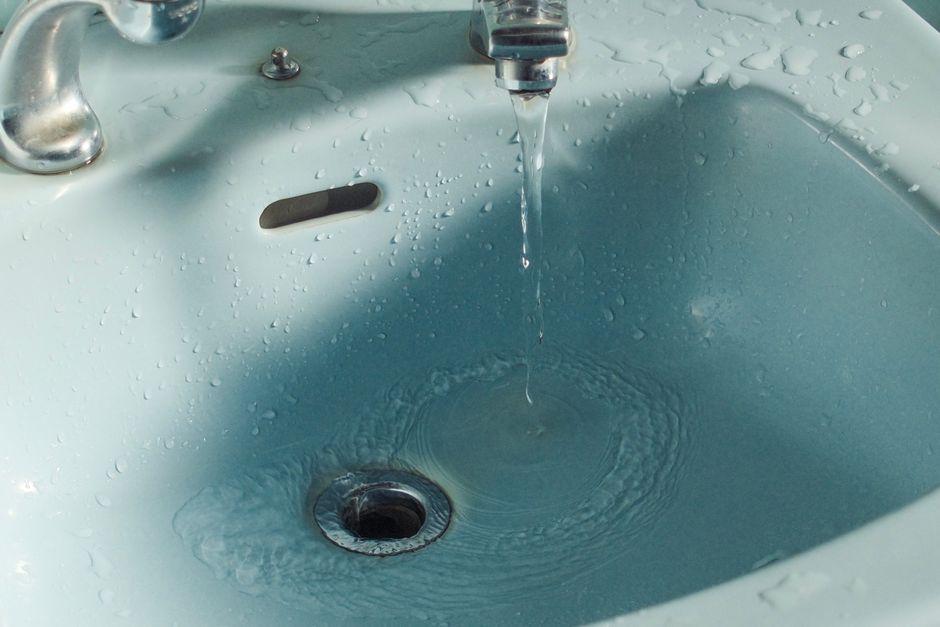
Why Slow Drains Are a Problem You Shouldn’t Ignore
Finding the best way to clear slow drains doesn’t have to mean reaching for a bottle of harsh chemicals or calling a plumber right away. In most cases, you can fix the problem yourself with tools and ingredients you already have at home.
Here’s a quick answer if you’re in a hurry:
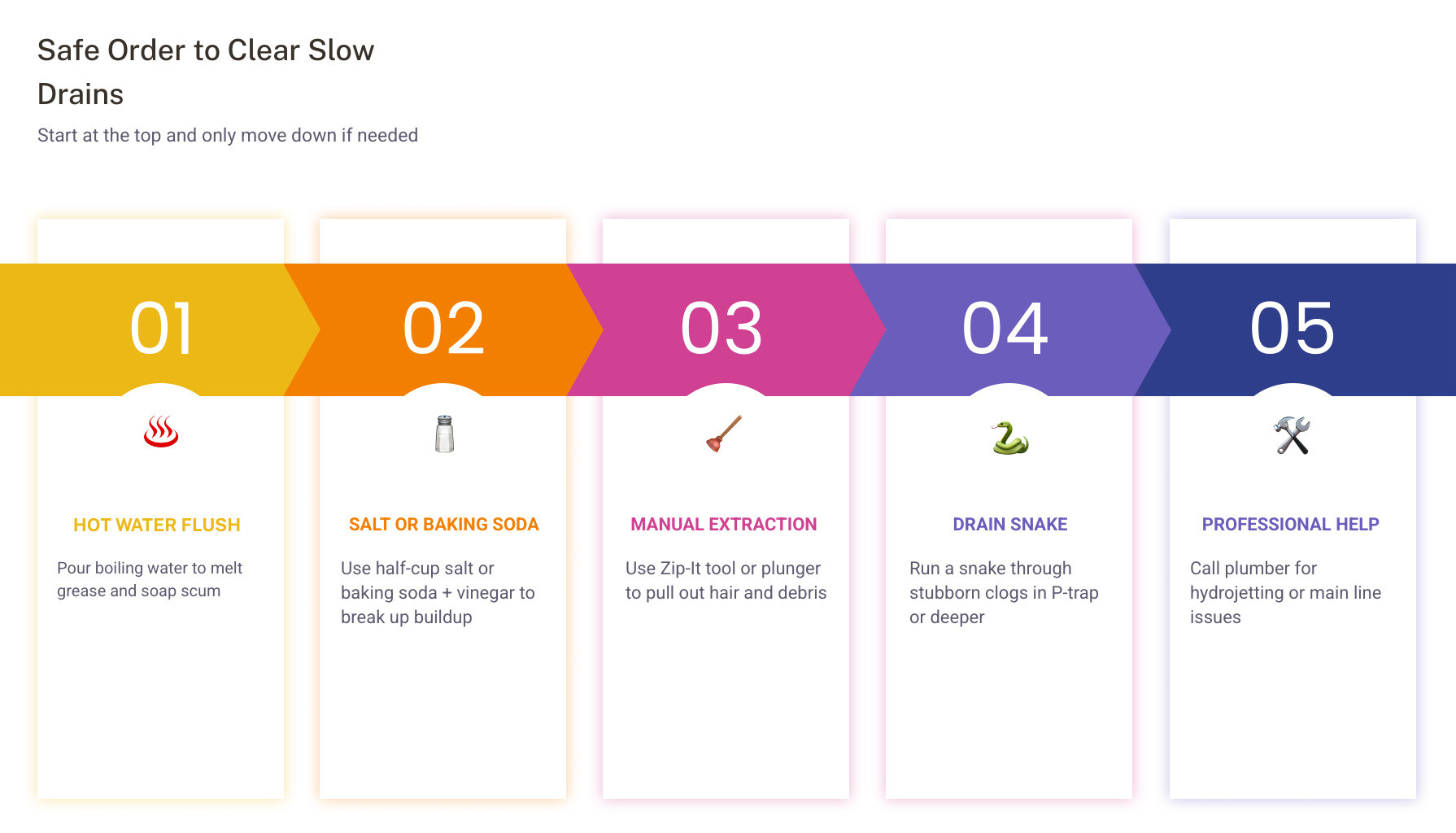
Best ways to clear slow drains (in order of what to try first):
- Pour boiling or very hot water down the drain to loosen grease and soap buildup
- Use a plastic hair-snare tool or drain snake to physically pull out hair clogs
- Try the baking soda and vinegar method to break up mild blockages
- Pour half a cup of table salt down the drain, wait 10-20 minutes, then flush with hot water
- Use a plunger with the overflow hole covered for added suction
- Call a professional if multiple drains are slow or DIY methods aren’t working
That glassy, still pool of water sitting in your sink isn’t just annoying. It’s a warning sign. Slow drains almost always get worse before they get better, and the longer you wait, the harder the clog becomes to clear on your own.
The good news? Roughly 80% of residential drain clog calls can be handled at home with basic tools and the right approach. The bad news is that many homeowners reach for chemical drain cleaners first, which can actually make things worse. Nearly 30% of emergency residential pipe repairs in 2026 have been made worse by improper chemical use.
This guide walks you through safe, effective, and natural methods to get your drains flowing freely again.
I’m Debra Blouin, General Manager of Drain Masters in Anchorage, AK, and with over two decades of experience in the plumbing and drain industry, I’ve seen how the best way to clear slow drains is almost always the gentlest method that actually matches the type of clog you’re dealing with. Let’s break it all down so you know exactly what to do.
What Causes Slow Drains in Your Home?
Before you can fix a slow drain, you need to understand what is actually going on down inside your pipes. Different rooms in your house suffer from different types of blockages, and treating a bathroom clog the same way you treat a kitchen clog is a recipe for frustration.
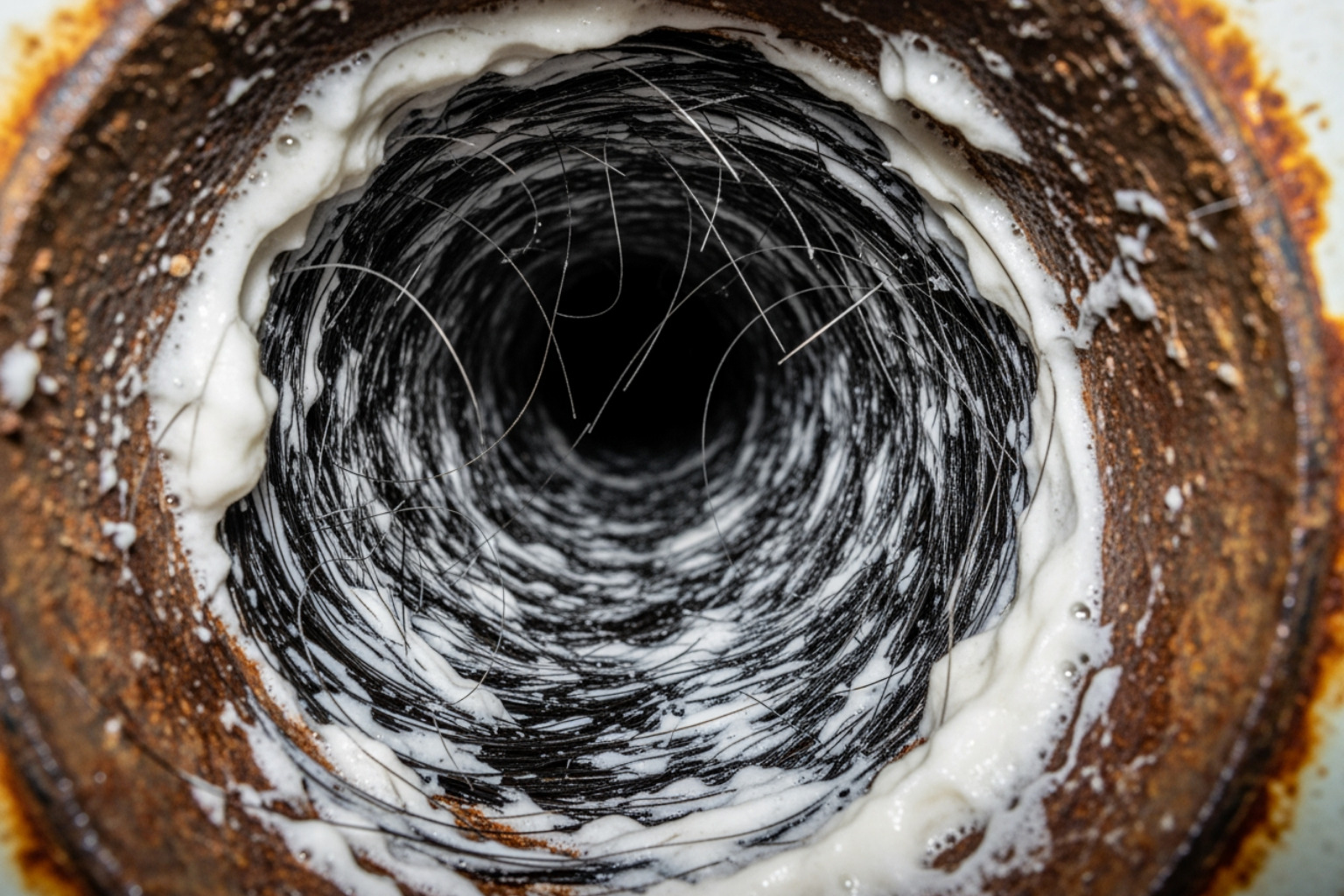
In the bathroom, the undisputed king of clogs is hair. Statistics show that bathroom clogs are 90% hair. When you wash your hair in the shower or shave over the bathroom sink, tiny strands slip down the drain. On their own, they might wash away, but they quickly meet up with soap scum. Soap scum acts like a sticky glue, catching the hair and binding it into a dense, felt-like mat. Over time, personal care products, toothpaste, and skin flakes get caught in this web, slowly narrowing the path water can take.
In the kitchen, the culprits are entirely different. Here, the primary offender is grease, fat, and cooking oil. When you pour warm grease down the kitchen sink, it looks like a harmless liquid. But as soon as it hits the cold metal or plastic of your underground pipes, it cools down and solidifies into a thick, waxy lining. Food particles, coffee grounds, and starches like pasta or rice (which swell when wet) get trapped in this sticky lining, gradually choking the pipe until water can barely squeeze past.
Finally, there is biofilm and mineral deposits. Biofilm is a slimy layer of bacteria that feeds on organic waste, hair, and soap residue. It grows slowly along the pipe walls, creating a dark, foul-smelling sludge. In areas with hard water, mineral deposits can also build up on the rough interior surfaces of older pipes, creating a sandpaper-like texture that catches every passing piece of debris.
Understanding these causes is the first step to resolving them. If you want to keep your plumbing flowing smoothly year-round, you can learn more about why drains keep clogging and how to break the cycle.
The Best Way to Clear Slow Drains Without Chemicals
It is incredibly tempting to run to the grocery store and grab a bottle of bright blue or red chemical drain cleaner. The commercials make it look so easy: just pour it in, watch it fizz, and your problems vanish!
However, professional plumbers rarely, if ever, use these chemicals, and for good reason. Chemical drain cleaners rely on incredibly harsh, caustic ingredients like sulfuric acid or sodium hydroxide. These chemicals are designed to generate intense heat to melt away grease and hair. Unfortunately, that extreme heat doesn’t stop at the clog.
If you have modern plastic pipes, the heat generated by these chemical cleaners can easily soften PVC or ABS joints, leading to warping and hidden leaks behind your walls. If you have older metal pipes, the acid eats away at the pipe walls, corroding galvanized steel, copper, and cast iron. This chemical corrosion can cause delayed leaks weeks after you use the product. Even worse, if the chemical cleaner fails to clear the block, you are left with a basin full of toxic, caustic standing water, making it incredibly dangerous for anyone who has to physically disassemble the pipe later.
To keep your home and family safe, we always recommend starting with gentle, natural, and mechanical methods. If you want to explore these safe techniques in more detail, you can discover safe home drain cleaning methods that get results without risking your plumbing system.
The Baking Soda and Vinegar Method
One of the most popular and time-tested natural remedies for a slow-moving drain is the classic combination of baking soda (sodium bicarbonate) and white vinegar (acetic acid). This dynamic duo works using a simple chemical reaction that is completely safe for both your pipes and the environment.
When the mild base of baking soda meets the mild acid of vinegar, they react to create carbon dioxide gas. This reaction produces a vigorous fizzing action. While this fizzing cannot chew through a solid tree root or a massive hairball, the expanding gas bubbles are fantastic at loosening sticky soap scum, grease, and biofilm from the pipe walls.
Here is how to perform this method step-by-step:
- Prep the drain: Boil a full kettle of water and pour it slowly down the drain. This preheats the pipes and begins softening any grease or soap residue.
- Add the baking soda: Pour exactly one cup of dry baking soda directly down the drain opening. Try to get as much of it down into the pipe as possible.
- Add the vinegar: Pour one cup of white vinegar down after the baking soda.
- Seal it up: Immediately plug the drain with a stopper or stuff a rag into the opening. This forces the expanding carbon dioxide gas down into the pipe where the clog is, rather than letting it escape harmlessly into your sink.
- Wait and flush: Let the mixture fizz and work its magic for 10 to 15 minutes. While you wait, boil another kettle of water. Remove the stopper and flush the drain with the boiling water to wash away the loosened debris.
The Half-Cup Salt Method
If you are dealing with a kitchen drain that is running slow and smelling a bit sour, the half-cup salt method is a fantastic alternative. While baking soda and vinegar rely on chemical fizzing, salt works through physical abrasion and dehydration.
Regular table salt is heavy, coarse, and highly absorbent. When you pour it down a slow drain, the gritty salt crystals act as a natural scrubbing agent against the greasy buildup lining the pipe walls. Furthermore, salt naturally draws moisture out of organic matter, which helps shrink and break down greasy soap scum.
To try this plumber-approved household trick, simply follow these steps:
- Pour half a cup of regular table salt directly down the slow drain.
- Let the dry salt sit undisturbed in the pipe for 10 to 20 minutes.
- While the salt sits, heat up a large pot of water until it is very hot (but not boiling if you have PVC pipes, as warm tap water is safer for plastic joints).
- Flush the drain with the hot water. The water will dissolve the salt as it rushes down, creating a highly concentrated, abrasive saltwater scrub that sweeps away grease and food particles.
Many homeowners find this to be a highly effective, low-cost solution. You can read about the simple half-cup household trick to see how well it works on stubborn kitchen grime.
The Washing Soda Alternative
When baking soda and vinegar aren’t quite strong enough to cut through heavy kitchen grease, it is time to upgrade to washing soda (sodium carbonate). While baking soda has a mild pH of around 8, washing soda is much more alkaline, boasting a pH level of 11.
Because grease is naturally acidic, it requires a strong alkaline substance to break it down chemically. Washing soda acts as a powerful degreaser, breaking down fat and oil molecules so they can dissolve in water.
To use the washing soda method:
- Pour a kettle of boiling water down the drain to heat the pipes.
- Scatter half a cup of washing soda crystals directly into the drain opening.
- Pour a cup of hot water down to help dissolve the crystals and wash them into the trap.
- Let it sit for 15 to 30 minutes to dissolve the grease.
- Flush thoroughly with a final pot of boiling water.
Mechanical DIY Methods for Stubborn Blockages
When natural pouring solutions don’t quite do the trick, it usually means you are dealing with a physical barrier, most likely a thick clump of hair or a solid food plug. In these cases, the best way to clear slow drains is to roll up your sleeves and use physical extraction.
Mechanical DIY tools are highly effective because they physically grab and remove the blockage from your plumbing system entirely, rather than trying to dissolve it and push it further down the line. To understand the difference between simply punching a temporary hole in a clog versus truly cleaning your pipes, you can explore the differences between clearing and cleaning drains.
Why Mechanical Tools Are Often the Best Way to Clear Slow Drains
For bathroom sinks, tubs, and showers, mechanical tools are incredibly efficient because the clog is almost always located within the first 12 inches of the drain opening, right in the P-trap or around the drain stopper.
Instead of pouring gallons of liquids down the line hoping to dissolve hair, physically pulling the hair out takes less than two minutes and costs next to nothing. This physical extraction is the core of any professional plumber’s approach. If you want to make sure you are tackling your plumbing issues safely and in the right sequence, consult this handy guide on the safe order of operations.
How to Safely Use a Plunger and Plastic Hair-Snare Tool
To clear physical blockages safely at home, you only need two inexpensive tools: a standard cup plunger and a plastic hair-snare tool.
Using a Plunger on Sinks and Tubs: Plunging works by using water pressure and suction to break up and dislodge clogs. However, many homeowners make the mistake of plunging dry.
- Step 1: Fill the sink or tub with enough water to completely submerge the rubber cup of the plunger.
- Step 2: Locate the overflow hole (the small opening near the top of the sink or tub rim). Cover this hole tightly with a wet rag or duct tape. If you don’t block the overflow, the air and water pressure you create will simply escape out of the overflow hole instead of pushing against the clog.
- Step 3: Place the plunger firmly over the drain to create a tight seal. Push down gently to release the air, then pump up and down vigorously for 15 to 20 seconds. The pulling motion is actually more important than the pushing motion, as it pulls the clog upward and breaks it apart.
Using a Plastic Hair-Snare Tool for Hair Clogs: A plastic hair-snare tool is a long, flexible plastic strip with sharp, backward-facing barbs along the sides. It is incredibly effective for pulling hair out of bathroom drains without even having to remove the drain stopper.
- Step 1: Put on a pair of rubber gloves (trust us, you’ll want them!).
- Step 2: Insert the plastic tool gently down into the drain opening as far as it will go.
- Step 3: Slowly wiggle the tool and pull it back up. The backward-facing barbs will hook onto the tangled hair and pull the entire mass out.
- Step 4: Clean off the tool and repeat until it comes up clean. Flush the drain with hot water.
Professional Solutions: Snaking vs. Hydrojetting
While DIY methods can handle about 80% of minor household clogs, there are times when the blockage is too deep, too dense, or too stubborn for home remedies. This is when professional plumbers bring out the heavy machinery. The two primary professional methods for clearing and cleaning drains are drain snaking and hydrojetting.
| Feature | Professional Drain Snaking | Professional Hydrojetting |
|---|---|---|
| How It Works | A flexible steel cable with a cutting blade is fed into the pipe to punch a hole through clogs. | High-pressure water (up to 4,000 PSI) blasts away grease, sludge, and debris. |
| Best Used For | Hair clogs, solid objects, and simple, localized blockages. | Heavy grease buildup, scale deposits, biofilm, and tree root intrusions. |
| Pipe Cleaning | Clears a path through the clog but leaves residue on the pipe walls. | Cleans the entire interior of the pipe, restoring it to like-new condition. |
| Safety | Safe for almost all pipes, though older pipes require a gentle touch. | Requires a professional video inspection first to ensure pipes are structurally sound. |
While a snake is great for poking a hole through a blockage to get water moving again, it doesn’t actually clean the pipe walls. To understand why this is, you can understand why drain snakes don’t fully clean pipes and why they are often just a temporary fix for recurring grease or sludge issues.
When Professional Hydrojetting is the Best Way to Clear Slow Drains
If your kitchen sink drains slowly every few months, or if you are dealing with a main sewer line clog that is causing multiple fixtures in your home to back up, professional hydrojetting is by far the most effective solution.
Hydrojetting uses specialized equipment to pump water through a heavy-duty nozzle at pressures up to 4,000 PSI. This high-pressure water acts like a pressure washer for the inside of your plumbing system. The forward-facing jet cuts through solid blockages and tree roots, while the backward-facing jets scour the entire interior wall of the pipe, completely blasting away years of baked-on grease, soap scum, and mineral scale.
If you want to see how this advanced technology can restore your pipes to like-new condition, you can learn about the power of hydrojetting and why it is the ultimate preventative maintenance tool.
Frequently Asked Questions About Clearing Slow Drains
What is the absolute best way to clear slow drains naturally?
The absolute best natural method is to start with a physical hair-snare tool to remove any hair near the drain opening, followed by a flush of baking soda, vinegar, and boiling water. This combination physically removes the solid matter while chemically loosening the sticky soap scum holding the rest of the debris together.
Why should I avoid using chemical liquid drain cleaners?
Chemical drain cleaners rely on highly caustic acids or bases that generate extreme heat. This heat can warp and melt plastic PVC pipes, corrode older metal plumbing, and eat away at rubber seals. Over time, repeated chemical use leads to expensive, hidden pipe leaks behind walls and under floors.
How does the half-cup salt method work to clear grease?
Salt is heavy, highly abrasive, and naturally absorbs moisture. When poured down a slow drain, the dry crystals scrub against the greasy buildup along the pipe walls. When flushed with hot water, the salt creates a hot, gritty, saline solution that breaks up and washes away the sticky fats and oils.
Can I use boiling water on PVC pipes?
You should exercise caution when using boiling water on PVC pipes. While PVC can handle warm and moderately hot water, boiling water (212°F) can soften plastic PVC joints and weaken the glue holding them together. For PVC plumbing, it is safer to use hot tap water instead of boiling water.
How often should I clean my household drains to prevent clogs?
We recommend performing a simple preventative flush once every six months. Pouring half a cup of baking soda followed by hot water down your drains twice a year is an easy, inexpensive way to keep grease and soap scum from building up into a major blockage.
What is the difference between drain clearing and drain cleaning?
Drain clearing is a localized fix, usually involving a plunger or drain snake, designed to punch a hole through a specific blockage to get water moving again. Drain cleaning is a comprehensive process, such as hydrojetting, that scrubs the entire interior surface of the pipes clean to remove all residue and build-up.
When should I use a plunger instead of a drain snake?
You should use a plunger first for simple, localized blockages where water is standing in the basin, such as a clogged toilet or a sink filled with water. If plunging fails to dislodge the clog, or if the blockage is deeper down the line, it is time to transition to a drain snake.
Why is my bathroom sink draining slowly if there is no hair?
If there is no hair in the drain, the slow movement is likely caused by a thick buildup of soap scum, toothpaste, and shaving cream, which creates a sticky biofilm along the pipe walls. Mineral scale from hard water can also narrow the pipe’s interior over time.
What are the signs of a main sewer line blockage?
The most common signs of a main line blockage include multiple fixtures draining slowly at the same time, gurgling noises coming from your toilets when you run the washing machine, sewage smells rising from your drains, or water backing up into your shower when you run the bathroom sink.
When is it time to call a professional plumber?
You should call a professional plumber if multiple drains in your home are slow simultaneously, if you smell sewage, if water is backing up into other fixtures, or if your DIY attempts fail to clear the blockage after a few tries. Recurring clogs are also a sign of a deeper structural pipe issue.
Conclusion
Taking care of your home’s plumbing doesn’t have to be a stressful or chemically hazardous chore. By starting with gentle, natural methods like hot water, baking soda, and salt, or using simple mechanical tools like a plunger or a plastic hair-snare, you can safely resolve the vast majority of slow-draining sinks and showers on your own.
When DIY methods fail or if you notice multiple drains backing up at once, it is a sign of a deeper issue that requires professional diagnostic tools. Attempting to force a stubborn clog can damage your pipes, and that is where we come in.
At Drain Masters, we have been serving our neighbors in Anchorage, AK, for over 20 years. As a family-owned local business, we pride ourselves on upfront pricing, friendly service, and using advanced tools like video pipe inspections to get to the root of your plumbing problems. If you are dealing with a stubborn clog that just won’t budge, do not hesitate to contact us to schedule professional fixture drain clearing service with our experienced team today!