
When Your House is Flooding, Here’s How to Find an Emergency Plumber Near Anchorage Fast
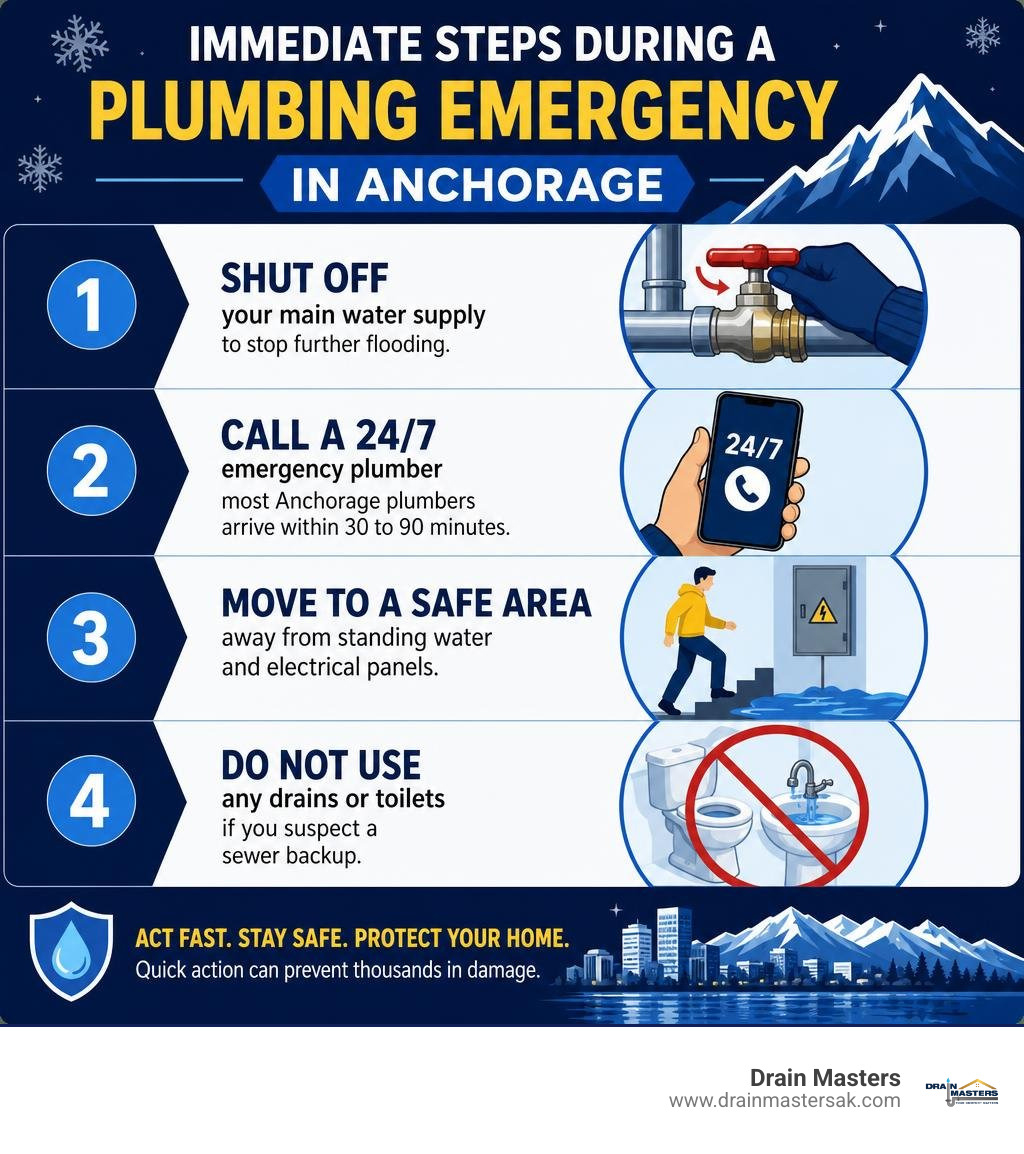
If you need an emergency plumber near Anchorage right now, here is what to do immediately:
- Shut off your main water supply to stop further flooding.
- Call a 24/7 emergency plumber; most Anchorage, AK plumbers arrive within 30 to 90 minutes.
- Move to a safe area away from standing water and electrical panels.
- Do not use any drains or toilets if you suspect a sewer backup.
Water damage moves incredibly fast. A single burst pipe can flood an entire basement in a matter of minutes, destroying precious belongings, ruining drywall, and compromising the structural integrity of your home. In Anchorage, AK, the stakes are even higher because of our extreme subzero winter temperatures. With over 60 days per year dropping below 0°F, frozen and burst pipes are one of the most common homeowners insurance claims in Alaska, accounting for roughly 24% of all claims.
Most plumbing disasters do not start as sudden, dramatic emergencies. They often begin with a slow drain, a faint gurgling sound in the walls, or a musty smell you keep meaning to check out. Then, on a cold winter night, everything fails at once. Knowing exactly who to call and what to do in those first few critical minutes can be the difference between a manageable repair and tens of thousands of dollars in structural restoration costs.
I’m Debra Blouin, General Manager of Drain Masters, a family-owned plumbing, drain, and sewer service company based in Anchorage, AK. With over two decades of hands-on experience in the industry, I have seen firsthand how quickly a minor plumbing issue can spiral into a full-scale disaster without the right emergency plumber near Anchorage on call. In the sections below, I will walk you through everything you need to know to act fast, stay safe, and protect your home from devastating water damage.
What Qualifies as a Plumbing Emergency in Alaska?
Not every plumbing issue requires a panicked call to an emergency plumber near Anchorage in the middle of the night. A dripping kitchen faucet, a slightly loose handle, or a slow-draining guest bathtub can usually wait until regular business hours. However, certain situations demand immediate professional intervention to protect your health, safety, and property.
When water is actively damaging your home, or when you are completely without essential services like running water or heat, you are facing a true emergency. If you are unsure whether your current situation requires immediate dispatch, you can read our helpful guide on handling emergency water issues to help identify the severity of your problem.
Active Flooding and Water Line Failures
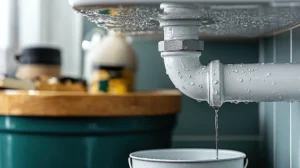
Active flooding is the most obvious plumbing emergency. Whether it is a burst water main, a failed washing machine hose, or a broken shut-off valve, uncontrolled water can quickly saturate drywall, ruin flooring, and lead to structural rot.
When water is spraying or pooling in your living spaces, the clock is ticking. Within just 24 to 48 hours, standing water can trigger hazardous mold growth that is both difficult and expensive to remediate. According to the EPA recommendations for controlling mold, controlling moisture is the key to preventing mold after water damage. If you cannot shut off the water yourself, or if the leak continues even after closing the valve, you need an emergency plumber immediately to mitigate the damage and save your property.
Sewer Line Backups and Health Hazards
A sewer line backup is more than just a messy inconvenience; it is a severe biohazard. When raw sewage backs up into your tubs, showers, or toilets, it introduces harmful bacteria, viruses, and pathogens into your living spaces. This wastewater contains contaminants that can cause serious illnesses if not handled with professional-grade protective equipment and sanitizing agents.
If you notice wastewater gushing upward from your drains, or if multiple plumbing fixtures clog simultaneously, your main sewer line is likely blocked. To protect your family from contamination, you should avoid using any water, turn off any running appliances like dishwashers or washing machines, and contact a professional for professional sewer and line repairs right away.
How Alaska’s Extreme Winter Conditions Impact Your Plumbing
Operating a plumbing system in Anchorage, AK presents unique challenges that homeowners in the Lower 48 rarely have to consider. Our subzero temperatures, deep frost lines, and intense freeze-thaw cycles place incredible stress on residential and commercial piping systems.
| Winter Plumbing Risk | Primary Cause | Preventative Action |
|---|---|---|
| Frozen Supply Lines | Subzero temperatures in unheated crawl spaces | Install heat tape and high-grade pipe insulation |
| Sewer Line Cracks | Frost heave and shifting permafrost | Schedule pre-season sewer camera inspections |
| Boiler/Heating Failure | Failing zone valves or frozen condensate lines | Maintain annual professional heating tune-ups |
| Outdoor Faucet Bursts | Trapped water in undrained hose bibs | Disconnect hoses and install frost-free hose bibs |
Why You Need an Emergency Plumber Near Anchorage, AK in Winter
When temperatures plunge during an Alaskan winter, water inside unprotected pipes can quickly freeze. As water freezes, it expands with immense force, putting extreme pressure on copper, PEX, and galvanized steel pipes. This expansion often causes the pipe walls to split, even if the pipe itself is relatively new.
The real disaster usually occurs during the subsequent thaw. Once the ice block melts, water rushes out of the newly created cracks at full pressure, causing massive flooding inside crawl spaces, ceilings, and walls. Because many pipes are hidden behind drywall or beneath floors, you might not notice the leak until water starts dripping through your ceiling or pooling on your floorboards.
Furthermore, the unique permafrost ground conditions and deep frost lines in Anchorage, AK can cause the soil to shift. This movement, known as frost heave, can easily crack or misalign buried sewer and water lines. When these winter crises strike, having access to experienced reliable residential plumbing solutions is vital to restoring your home’s warmth, safety, and comfort.
Preventing Frozen Pipes and Winter Disasters
While emergency plumbers are always ready to assist, prevention is always the best strategy. Homeowners can take several proactive steps to safeguard their plumbing systems before the winter freeze sets in:
- Apply Heat Tape: Install thermostatically controlled heat tape along vulnerable water lines in unheated crawl spaces, attics, and exterior walls.
- Upgrade Pipe Insulation: Wrap exposed pipes in high-quality foam sleeve insulation to help retain heat during cold snaps.
- Winterize Outdoor Fixtures: Disconnect all garden hoses, drain outdoor spigots, and shut off the interior valves leading to exterior hose bibs before the first freeze.
- Maintain Minimum Indoor Heat: Keep your home’s thermostat set to at least 55°F, even when you are traveling away from Anchorage, AK.
- Address Slow Drains Early: Slow drains allow water to linger in pipes longer, increasing the likelihood of freezing. Booking professional drain cleaning before winter can keep water flowing freely.
What to Do While Waiting for an Emergency Plumber Near Anchorage, AK
When you are facing a plumbing crisis, the minutes between placing the emergency call and the plumber’s arrival are critical. Taking the right steps during this brief window can dramatically reduce water damage and make the repair process much safer and faster.
Step 1: Shut Off the Main Water Supply
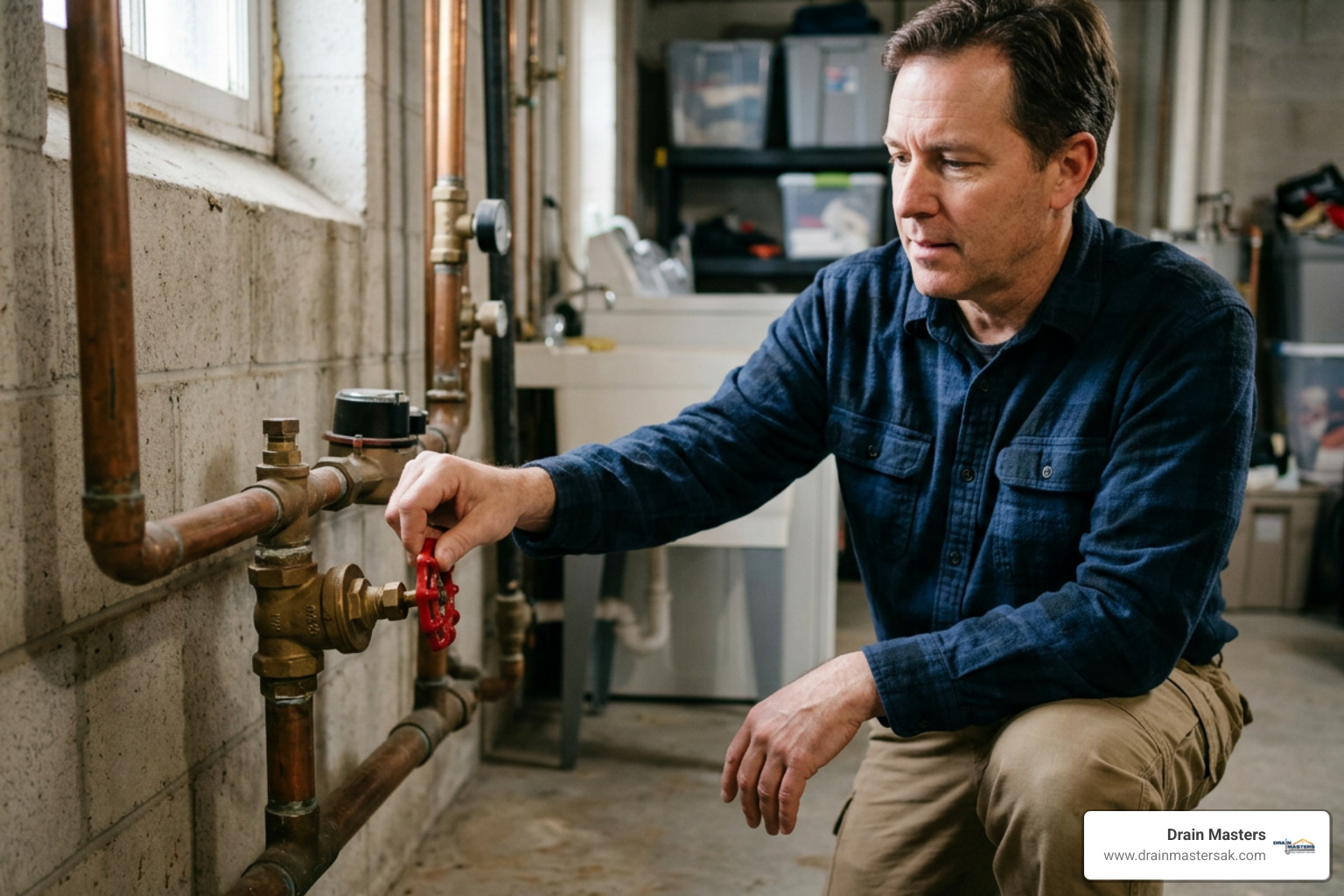
Your very first priority is to stop the flow of water. Locate your home’s main water shut-off valve. In most Anchorage, AK homes, this valve is located in the crawl space, basement, or utility closet near the water meter.
Turn the valve clockwise to close it. If it is a gate valve, turn it until it tightens completely. If it is a ball valve, turn the lever 90 degrees so it is perpendicular to the pipe. If you are dealing with a localized leak, such as an overflowing toilet or a leaking sink, you can turn off the individual shut-off valve located directly behind or beneath the fixture. Knowing where this valve is located before an emergency happens is one of the most important aspects of home ownership.
Step 2: Drain the Remaining Water Pressure
Once the main water valve is completely closed, you should drain the remaining water that is trapped inside your pipes. Go to the lowest level of your home and open the lowest faucet, such as a basement sink or utility tub.
Next, open a faucet on the highest level of your home. This allows gravity to pull the remaining water out of the plumbing system and run safely down the drain, preventing it from leaking out of the broken pipe and causing further damage to your walls or floors.
Step 3: Document the Damage for Insurance
Before you begin cleaning up the water, take a few minutes to document the scene. Use your phone to take clear photos and videos of the burst pipe, the standing water, and any damaged belongings, flooring, or drywall.
This visual evidence is incredibly valuable when filing water mitigation and property damage claims with your homeowners insurance provider. Once documented, you can begin carefully removing valuable items from the wet areas to prevent further damage and start the drying process.
Essential Services an Emergency Plumber Should Offer
A qualified emergency plumbing company should be fully equipped to handle a wide range of urgent issues. Because plumbing disasters do not follow a standard schedule, these essential services must be performed with speed, precision, and the right diagnostic technology. For a closer look at what we do in Anchorage, AK, you can explore our comprehensive local plumbing services page.
Rapid Response and 24/7 Availability
A true emergency plumbing service must be available 24 hours a day, 7 days a week, 365 days a year, including weekends and holidays. When a pipe bursts at 2:00 AM on Christmas morning, you should be able to speak with a live dispatcher who can immediately coordinate with an on-call technician.
Our team prioritizes rapid dispatch times because we understand that every minute of delay can lead to more extensive water damage. If you are experiencing an urgent issue right now, you can use our online portal for requesting immediate assistance from our team to get a skilled professional to your door quickly.
Advanced Diagnostic and Repair Tools
Modern plumbing emergencies require modern solutions. A reliable emergency plumber should utilize advanced diagnostic and repair tools to locate and resolve issues without causing unnecessary damage to your home. Some of the industry-leading tools we rely on include:
- Sewer Inspection Cameras: High-definition video cameras that are snaked into drains to visually inspect the interior of your pipes and pinpoint blockages or breaks.
- Hydro Jetting Systems: High-pressure water cleaning equipment that blasts away stubborn grease, ice, tree roots, and debris from main sewer lines.
- Electronic Leak Detectors: Sensitive acoustic equipment used to locate hidden pipe leaks behind drywall or beneath concrete slabs.
- Pipe Thawing Machines: Specialized electrical equipment designed to safely thaw frozen metal pipes without the use of open flames or torches, reducing fire hazards.
How to Choose the Right Emergency Plumber Near Anchorage, AK
When water is actively gushing into your home, it is tempting to hire the very first plumbing company you find online. However, taking a moment to verify a few key credentials can save you from poor workmanship, hidden fees, and potential liability.
How to Verify an Emergency Plumber Near Anchorage, AK is Licensed
Before letting any technician into your home, verify that the plumbing company is fully licensed, bonded, and insured in the state of Alaska. A licensed plumber has met the rigorous training and testing standards required to perform safe, code-compliant repairs.
General liability insurance and workers’ compensation coverage protect you from financial liability if a technician is injured or if your property is accidentally damaged during the repair. You can also check the company’s Better Business Bureau rating and read online customer reviews to gauge their reputation for reliability and professionalism.
To verify a contractor’s credentials, you can search the official state databases or consult local consumer protection resources. Working with an established, verified local provider ensures that your repairs are handled in compliance with local building codes and environmental regulations, giving you peace of mind.
Understanding Emergency Plumbing Costs and Rates
Emergency plumbing services typically command a premium compared to scheduled, routine maintenance. This is because companies must maintain on-call staff, fully stocked service vehicles, and rapid dispatch capabilities around the clock.
Pricing can vary depending on several factors, including the complexity of the repair, the time of day, and whether the service is performed on a weekend or holiday. Reputable companies will always provide upfront, transparent pricing before starting any work, ensuring there are no unpleasant surprises on your final invoice. They will explain the scope of work and the necessary parts so you can make an informed decision.
Frequently Asked Questions About Emergency Plumbing in Anchorage, AK
1. What is considered a plumbing emergency?
A plumbing emergency is any situation that poses an immediate risk of property damage, structural rot, mold growth, or health hazards. This includes active flooding from burst pipes, major water line breaks, raw sewage backing up into the home, complete loss of running water, and gas line leaks.
2. How quickly can an emergency plumber arrive in Anchorage, AK?
Response times can vary based on traffic, weather conditions, and current call volume, but most local emergency plumbers aim to arrive at your home within 30 to 90 minutes of your call. During severe winter weather events, dispatch times may be slightly longer due to hazardous road conditions.
3. Do emergency plumbers in Anchorage, AK charge extra for nights and weekends?
Yes, most plumbing companies charge emergency rates for services performed outside of normal business hours, such as late nights, weekends, and holidays. These rates help cover the cost of maintaining 24/7 on-call dispatchers and technicians.
4. What should I do first if a pipe bursts in my home?
The very first step is to shut off your home’s main water supply valve to stop the flooding. Once the water is off, open your faucets to drain the remaining water pressure from the system, and then call a licensed emergency plumber immediately.
5. How do I prevent my pipes from freezing during an Anchorage, AK winter?
To prevent frozen pipes, insulate exposed water lines in crawl spaces and attics, install thermostatically controlled heat tape, disconnect all outdoor hoses, and keep your home’s thermostat set to at least 55°F. On exceptionally cold nights, you can also let your faucets drip slowly to keep water moving.
6. Can a general plumber handle sewer line backups?
While many general plumbers can clear basic clogs, severe main sewer line backups often require specialized equipment. It is best to hire a company that specializes in drain and sewer services, as they possess advanced tools like high-definition sewer cameras and high-pressure hydro jetting systems.
7. How much does emergency leak repair typically cost in Anchorage, AK?
Pricing can vary depending on several factors, including the location of the leak, the severity of the pipe damage, and the time of the service call. Emergency services generally carry a premium, but a reputable plumber will provide a clear, upfront estimate before beginning any physical repairs.
8. How do I find my home’s main water shut-off valve?
In most Anchorage, AK homes, the main water shut-off valve is located on the lowest level of the property, typically in a utility closet, basement, or crawl space near the water meter. It is highly recommended to locate this valve before an emergency occurs so you can act quickly.
9. Are water heater failures considered plumbing emergencies?
A leaking water heater is considered an emergency because it can cause significant water damage to the surrounding area. A complete lack of hot water is also considered an urgent issue, especially during the cold winter months when hot water is essential for sanitation and comfort.
10. How can I verify if an Anchorage, AK plumber is fully licensed and insured?
You can verify a plumbing company’s licensing status by checking the Alaska Department of Commerce, Community, and Economic Development database online. Additionally, you should ask the company to provide proof of general liability insurance and workers’ compensation coverage before they begin working on your property.
Conclusion
When a plumbing disaster strikes your home, taking swift, decisive action is the key to minimizing water damage, preventing mold growth, and protecting your property’s structural integrity. By knowing how to shut off your main water supply and having a trusted professional on call, you can navigate even the most stressful plumbing crises with confidence.
At Drain Masters, we are proud to be a family-owned and operated company serving Anchorage, AK for more than 20 years. Performing over 4,000 successful jobs annually, our team of licensed, bonded, and insured technicians utilizes advanced tools, including high-definition camera inspections, hydro jetting, and trenchless sewer repairs, to deliver permanent, high-quality results. We believe in upfront, transparent pricing, so you always know exactly what to expect before we begin our work.
If you are currently facing a plumbing crisis or want to schedule preventative maintenance to safeguard your home against the harsh Alaska winter, we are here to help. Contact the experienced team at Drain Masters today to request immediate plumbing assistance and secure the fast, reliable service your home deserves.