
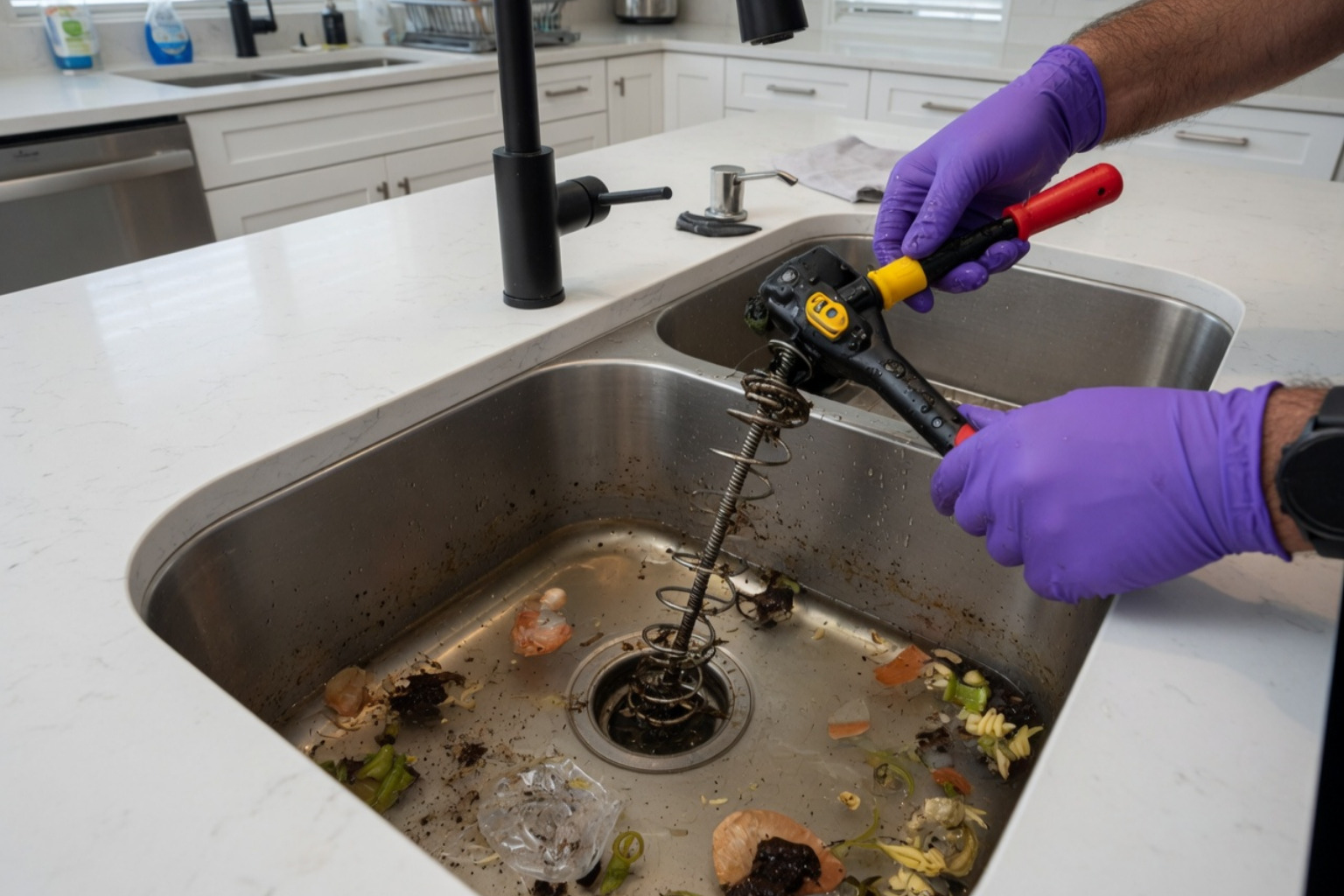
What Does It Actually Cost to Unclog a Kitchen Sink?
The clogged kitchen sink plumber cost is one of the most common plumbing questions homeowners search for, and for good reason. A backed-up kitchen sink can bring your whole household to a halt fast.
Here is a quick overview of how different service types compare in terms of overall investment:
| Service Type | Relative Cost Level |
|---|---|
| Minor clog (basic snaking) | Budget-friendly standard rate |
| Moderate clog (electric snake) | Moderate investment |
| Stubborn clog (hydro jetting) | Mid-to-high range service |
| Complex or sewer-related blockage | Premium comprehensive repair |
| Emergency or after-hours service | Additional after-hours premium |
Pricing can vary depending on several factors, including where you live, the severity of the blockage, and the method your plumber uses. These ranges are a general guide, not a guarantee.
Now, a blocked kitchen drain rarely fixes itself. Grease, food particles, and soap scum build up quietly inside your pipes over time. By the time water stops draining, the clog is often well beyond what a plunger can handle. Calling a professional early almost always costs less than waiting until the situation gets worse.
I’m Debra Blouin, General Manager of Drain Masters here in Anchorage, AK, and I’ve spent over two decades helping homeowners understand exactly what drives the clogged kitchen sink plumber cost before the bill ever arrives. In this guide, I’ll walk you through everything you need to know to make a confident, informed decision.
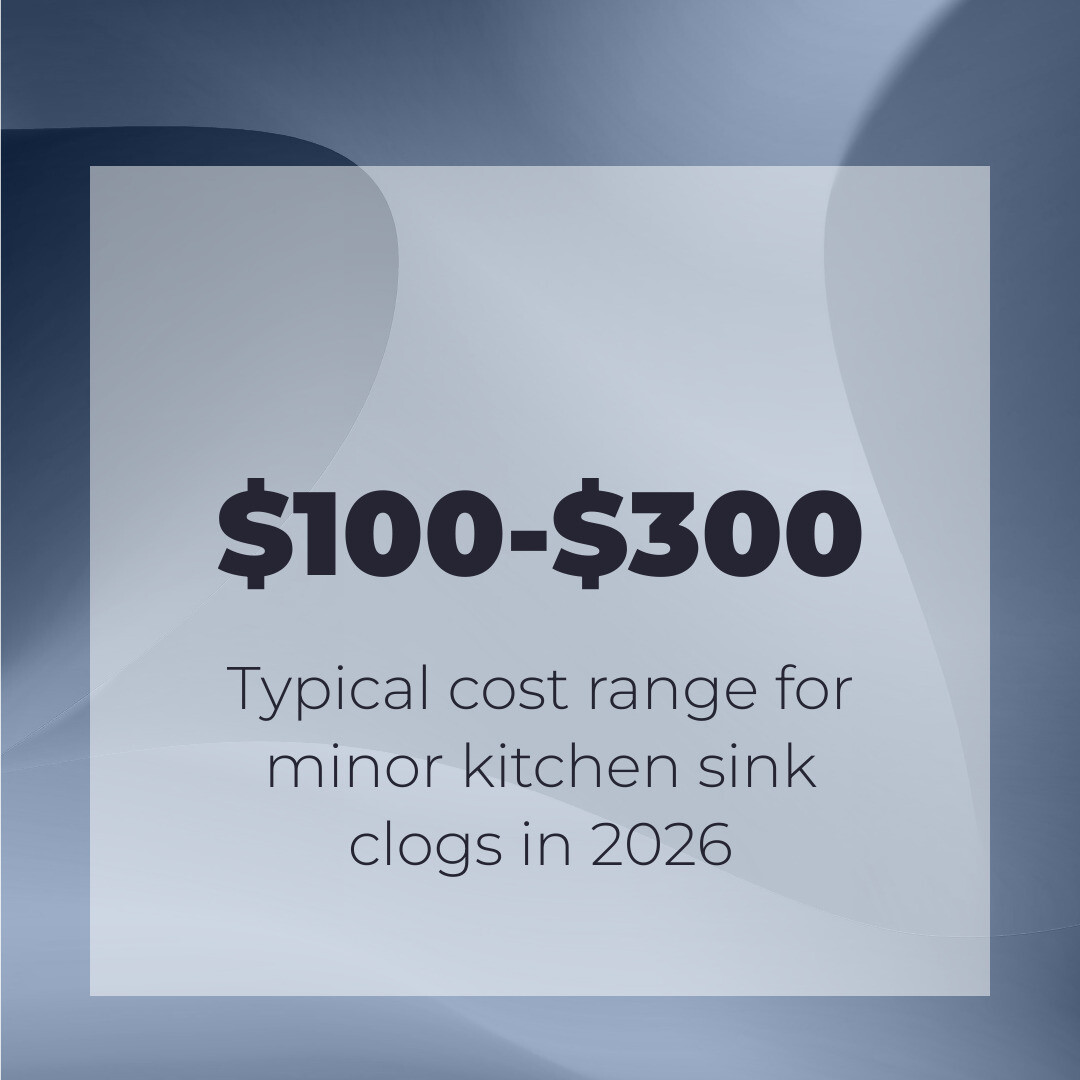
Understanding the Clogged Kitchen Sink Plumber Cost
When you call a professional plumbing company to address a blocked drain, you are not just paying for someone to push a wire down your pipe. You are paying for years of diagnostic expertise, high-grade specialized tools, travel costs, and the peace of mind that your home’s infrastructure is protected from accidental water damage.

To help put local expenses into perspective, reviewing third-party resources like the local plumbing cost statistics can show you how local labor rates and operating conditions shape service fees. In northern climates like Anchorage, AK, our residential plumbing systems face unique environmental challenges. Cold ground temperatures can cause household fats and cooking grease to solidify inside waste lines much faster than they would in warmer southern states. This environmental factor often influences the complexity of professional drain clearing jobs.
To help you understand the structural differences in pricing, look at how the overall investment shifts based on the complexity of the blockage:
| Clog Complexity | Diagnostic Tools Used | Average Time to Clear | Long-Term Solution Level |
|---|---|---|---|
| Simple Blockage | Visual inspection, manual hand snake | 15 to 30 minutes | Temporary (clears immediate blockage only) |
| Moderate Blockage | Basic camera probe, electric drain snake | 30 to 60 minutes | Moderate (scrapes away major buildup) |
| Severe Blockage | High-definition camera, hydro jetter | 1 to 2 hours | High (restores pipe interior to like-new condition) |
Standard Rates for Minor Blockages
A minor kitchen drain blockage is typically isolated to the immediate fixture area, most commonly occurring within the P-trap. The P-trap is the curved pipe located directly beneath your sink basin. It is designed to hold a small amount of standing water to block sewer gases from entering your home. Because of its sharp bend, it is also the number one collection point for food debris, soap residue, and congealed fats.
When a technician addresses a minor localized issue, they usually start by inspecting the sink basin and the garbage disposal. If the blockage is simple, the technician may only need to manually clear the P-trap or use a professional hand auger to restore normal flow.
Understanding how household drains get blocked is the best way to keep these minor blockages from turning into major headaches. By catching these issues early, you can resolve the problem quickly before the standing water begins to leak through pipe joints and damage your kitchen cabinetry.
Severe Blockages and Main Sewer Line Issues
A severe blockage is an entirely different story. If you notice that water is backing up into your kitchen sink when your washing machine drains, or if multiple fixtures across your home are draining slowly at the same time, you are likely dealing with a main sewer line blockage.
When a main sewer line is obstructed, waste water has nowhere to go. It will seek the lowest open drain in your home, which often results in sewage backing up into bathtubs, basement floor drains, or low-lying sinks. Main line blockages are often caused by tree root intrusion, bellied or sagging pipes, or years of accumulated heavy grease that has completely closed off the pipe’s diameter.
Resolving these deep-line issues requires heavy-duty motorized machinery, sewer camera systems, and sometimes excavation or trenchless pipe rehabilitation. Handling unexpected handling urgent drain emergencies like a complete sewer backup requires immediate professional intervention to prevent hazardous waste water from damaging your living spaces and creating health risks for your family.
Professional Methods and How They Impact Your Bill
The specific technique a plumbing professional uses to clear your kitchen drain is one of the most significant factors in determining your final bill. Different problems require different tools. A experienced technician will always diagnose the system first to ensure they use the safest, most effective method for your specific pipe material and age.
Traditional Snaking vs. Advanced Drain Cleaning
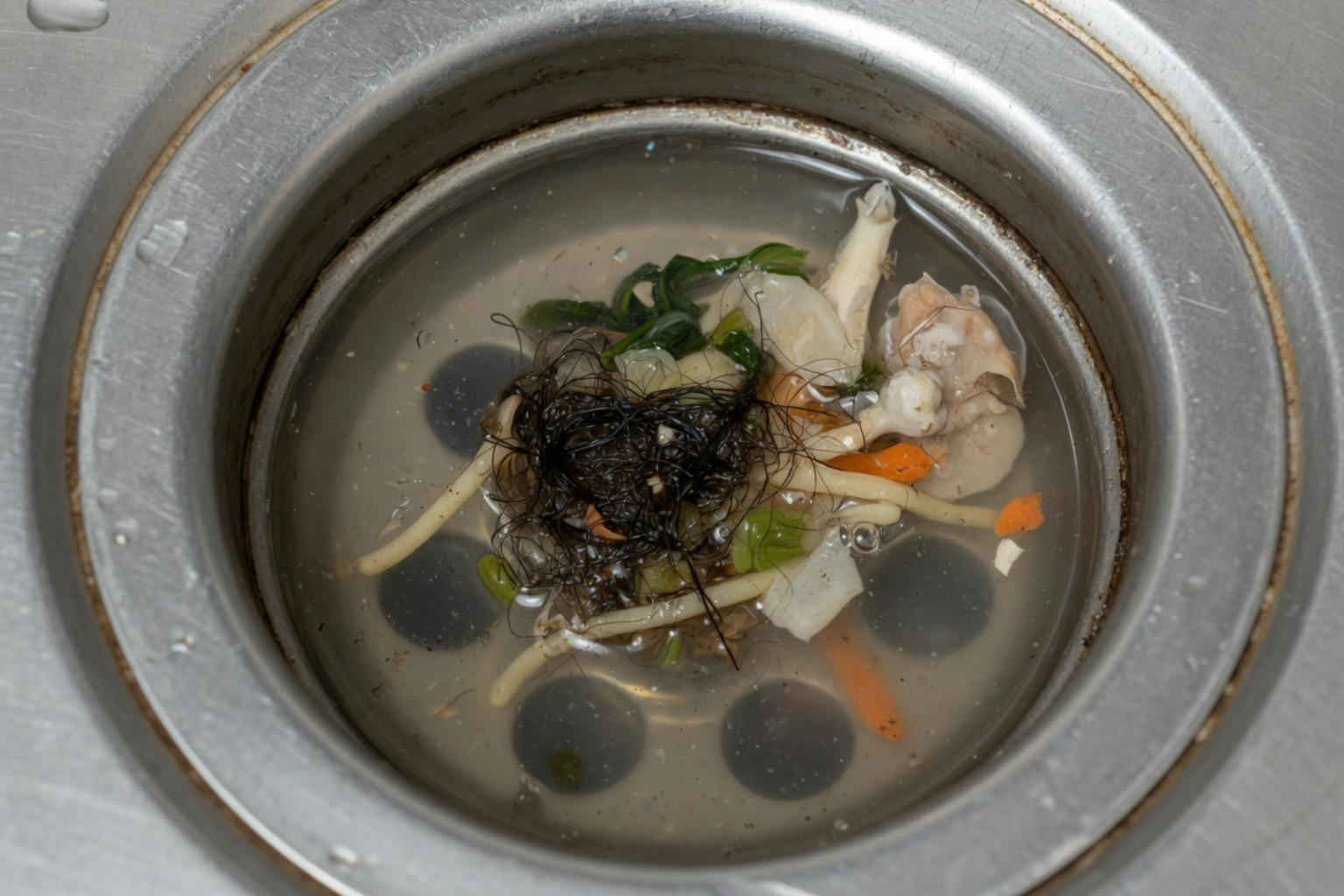
For decades, the standard tool for clearing residential drains has been the plumbing snake, also known as a drain auger. A manual or motorized snake uses a flexible steel cable with a specialized cutting head at the tip. The plumber feeds this cable down the drain line until it reaches the obstruction. Once there, the cable rotates to break up the physical mass or hook onto the debris so it can be pulled back out of the pipe.
While snaking is highly effective at punching a hole through solid obstructions like hair, food clumps, or paper products, it has limitations. A snake only clears a path as wide as its cutting head. If your kitchen pipe is heavily lined with thick grease, the snake might simply pass through the soft buildup without actually clearing the pipe walls.
When deciding on the best course of action, comparing drain clearing and cleaning is crucial. Drain clearing is a short-term fix that restores water flow by punching a hole through a blockage. Professional drain cleaning is a comprehensive process that restores the entire interior diameter of the pipe, providing a long-term solution to recurring slow drains.
Hydro Jetting for Stubborn Grease Build-Up
When kitchen drains are plagued by years of cooking oils, animal fats, and thick soap scum, standard snaking is rarely enough. In these cases, professional plumbers rely on hydro jetting.
Hydro jetting is an advanced cleaning method that uses specialized equipment to pump water through a highly durable hose at extreme pressure. The nozzle at the end of the hose directs high-pressure water jets forward to blast through blockages, while reverse-facing jets scour the inner walls of the pipe. This process completely strips away grease, scale, and mineral deposits, leaving the inside of your pipes clean and smooth.
However, hydro jetting is not suitable for every plumbing system. If your home has older, fragile pipes, such as orangeburg or severely corroded cast iron, the intense water pressure can cause the pipes to collapse or break. A professional plumber will always perform a video camera inspection before recommending this service.
Understanding the benefits of high-pressure jetting can help you understand why this advanced method is often the most cost-effective choice for stubborn, grease-heavy kitchen lines, as it prevents the need for repeat service calls.
Key Factors That Influence Your Final Invoice
No two plumbing systems are identical, and no two clogs are exactly the same. When a plumber evaluates your kitchen sink, they must take several variables into account before providing a firm quote. Understanding these factors can help you understand why estimates may vary.
How Clog Severity Affects the Clogged Kitchen Sink Plumber Cost
The physical makeup and location of the blockage play a massive role in the final cost of the repair. A simple clog caused by a build-up of fresh food scraps right below the sink basket can usually be resolved in under half an hour.
On the other hand, if a homeowner has repeatedly poured cooking grease down the drain, that grease can travel deep into the plumbing stack, solidifying far down the line where the pipe runs beneath the home’s foundation. Clearing a deep, solid grease blockage requires heavy-duty motorized equipment, multiple passes with specialized cutting heads, and significantly more labor time.
Additionally, if your kitchen sink is equipped with a garbage disposal, the technician must carefully inspect the appliance. If food debris has bypassed a worn-out disposal unit and packed solid into the discharge tube, the plumber will have to disassemble the unit, clear the internal components, and reinstall it, which adds to the labor complexity.
Timing, Location, and Emergency Service Fees
When your kitchen sink stops draining, it rarely happens at a convenient time. Plumbing companies must manage their technician schedules, dispatch logistics, and overtime labor rates, which means when you call for service directly impacts your overall cost.
- Standard Business Hours: Booking a service call during regular daytime hours on weekdays is always the most economical option. Plumbers can plan their routes efficiently, and labor rates remain at standard levels.
- Emergency and After-Hours Service: If your sink overflows late on a Friday night or during a holiday weekend, you may need to request emergency dispatch. Because plumbing companies must pay their technicians overtime rates to work during non-business hours, emergency calls carry a premium fee.
- Accessibility of the Plumbing System: If your kitchen plumbing is easily accessible through a spacious cabinet beneath the sink, the job will go much faster. However, if your home has structural obstructions, tight crawlspaces, or if the plumber must access cleanouts located behind walls or beneath heavy appliances, the extra time required to access the pipe will increase the labor portion of your bill.
DIY vs. Professional Drain Clearing
When faced with a slow-draining kitchen sink, many homeowners naturally want to try fixing the problem themselves to save money. While simple issues can sometimes be resolved with a standard household plunger, taking a hands-on approach to deeper plumbing problems can carry significant risks.
Many homeowners run to the local hardware store to purchase chemical liquid drain cleaners. While these products claim to dissolve clogs instantly, they rely on harsh, highly corrosive chemical reactions to break down organic matter. When these chemicals are poured into a completely blocked sink, they sit directly on top of the clog, trapped inside your pipes. The resulting chemical reaction generates intense heat, which can easily soften and deform modern PVC plastic pipes or accelerate the corrosion of older metal pipes.
Furthermore, if the chemical cleaner fails to clear the blockage, you are left with a sink basin full of highly toxic, acidic water. When a professional plumber eventually arrives, they must work with extreme caution to avoid chemical burns to their skin and eyes, which can actually increase the complexity and cost of the service.
Using cheap, retail-grade hand snakes can also cause issues. If an inexperienced homeowner forces a stiff steel cable through a tight bend in an older pipe, they can accidentally puncture the pipe wall, leading to hidden leaks behind walls or beneath flooring.
Weighing your options and deciding between DIY and professional clearing is an important step in protecting your property. If a plunger does not clear the blockage after a few gentle attempts, or if you suspect the clog is located deep within your drain system, calling a licensed professional is the safest way to prevent expensive water damage and pipe destruction.
How to Prevent Future Kitchen Sink Clogs
The absolute best way to manage the clogged kitchen sink plumber cost is to prevent blockages from forming in the first place. With a few simple adjustments to your daily kitchen habits, you can keep your drains flowing smoothly and avoid the hassle of unexpected plumbing emergencies.
- Use Mesh Drain Screens: Install a high-quality mesh strainer over your kitchen sink drain. These inexpensive screens catch small food particles, coffee grounds, and debris before they can enter your waste lines.
- Dispose of Grease Properly: Never pour cooking oils, bacon grease, butter, or heavy sauces down your kitchen sink. Even if you flush them with hot water, the grease will eventually cool and solidify further down the pipe. Instead, let grease cool in an old can or jar, then throw it in the trash.
- Run Plenty of Cold Water: When using your garbage disposal, always run a strong stream of cold water before, during, and for about thirty seconds after grinding food. Cold water keeps fats solid so they can be chopped up and washed completely through the system, rather than melting and coating the pipe walls.
- Perform Regular Hot Water Flushes: Once a week, fill your sink basins with hot water, then pull the stoppers to let the water rush through the pipes. The volume and pressure of the hot water will help flush away minor soap scum and light residue before it can build up.
By incorporating these simple habits into your household routine, you can avoid sudden preventing major kitchen drain issues and keep your plumbing system in excellent working order.
Long-Term Maintenance and the Clogged Kitchen Sink Plumber Cost
While daily preventative habits are incredibly helpful, scheduling professional maintenance is the key to maximizing the lifespan of your home’s waste lines. Over several years, even the most carefully managed kitchen pipes will experience a gradual buildup of scale, soap residue, and fine organic material.
By investing in routine plumbing inspections, you can catch minor issues before they turn into major blockages. During a professional maintenance visit, a technician can use camera equipment to inspect the condition of your pipes, locate potential trouble spots, and perform light drain cleaning to restore the system’s efficiency.
Relying on specialized professional sewer and drain maintenance for regular preventative care is a smart, proactive way to protect your home’s value, ensure reliable drainage, and avoid the high costs of emergency plumbing repairs.
Frequently Asked Questions About Kitchen Drain Cleaning
What is the national average cost to unclog a kitchen sink in 2026?
While exact rates depend on your location and the severity of the blockage, professional drain clearing typically involves a standard service fee for localized clogs. Simple, minor blockages are generally highly affordable, whereas severe main line obstructions or deep grease clogs require more advanced equipment and labor, which increases the overall investment.
Why does a clogged kitchen sink plumber cost vary by location?
Plumbing costs vary by region due to differences in local labor rates, licensing requirements, and the cost of doing business. In northern areas like Anchorage, AK, unique environmental factors like freezing ground temperatures can also increase the complexity of drain clearing, which influences local service fees.
Is hydro jetting more expensive than standard drain snaking?
Yes, hydro jetting is generally more expensive than traditional drain snaking because it requires specialized high-pressure equipment, advanced technician training, and more time to perform. However, because hydro jetting completely cleans the pipe walls, it is often a more cost-effective long-term solution.
How much do plumbers charge for emergency after-hours drain cleaning?
Emergency, holiday, or weekend plumbing visits typically carry a premium rate compared to standard business-hour services. Many plumbing companies charge an additional emergency dispatch fee in addition to adjusted labor rates for after-hours calls to cover overtime costs.
Can a clogged kitchen sink indicate a main sewer line blockage?
Yes, a backed-up kitchen sink can sometimes be a sign of a deeper sewer line issue. If you notice water backing up into your sink when using other plumbing fixtures, or if multiple drains in your home are slow at the same time, the blockage is likely in your main sewer line.
Do plumbers charge flat rates or hourly fees for drain clearing?
Plumbing companies use different pricing models. Some charge flat-rate pricing for standard services, which provides cost certainty upfront. Others bill hourly, meaning the final cost depends on how long the technician takes to complete the job.
What additional repairs might increase my kitchen drain cleaning bill?
Your final bill may increase if the plumber discovers secondary issues during the service. Common add-ons include replacing a worn-out P-trap, installing a new garbage disposal, repairing damaged pipe joints, or performing a detailed video camera inspection.
How can I avoid being overcharged by a plumber?
To protect yourself from unexpected costs, always work with licensed, insured plumbing companies that offer transparent, upfront pricing. Ask for a written estimate before any work begins, and make sure you understand what services and warranties are included in the price.
Why should I avoid using chemical drain cleaners on a kitchen clog?
Chemical drain cleaners contain highly corrosive acids that can damage and weaken modern PVC pipes or accelerate corrosion in older cast iron lines. Additionally, if the chemical fails to clear the clog, it leaves a basin of toxic, standing water that is hazardous to work around.
How often should I have my kitchen drains professionally cleaned?
For most residential properties, having your kitchen drains professionally inspected and cleaned every two to three years is an excellent way to prevent heavy grease buildup, maintain optimal flow, and extend the overall lifespan of your plumbing system.
Conclusion
A clogged kitchen sink is always an inconvenience, but understanding how professional plumbing services are priced can help you navigate the situation with confidence. By addressing slow drains early, avoiding harsh chemical cleaners, and practicing smart daily preventative habits, you can protect your home’s pipes and keep your long-term maintenance costs to a minimum.
At Drain Masters, we have spent over twenty years providing homeowners in Anchorage, AK, with honest, upfront pricing, advanced diagnostic tools, and dependable customer service. Whether you need a quick drain clearing or help to schedule professional plumbing repairs, our family-owned team is here to help keep your home running smoothly.