Understanding Residential and Municipal Sewer Service Systems
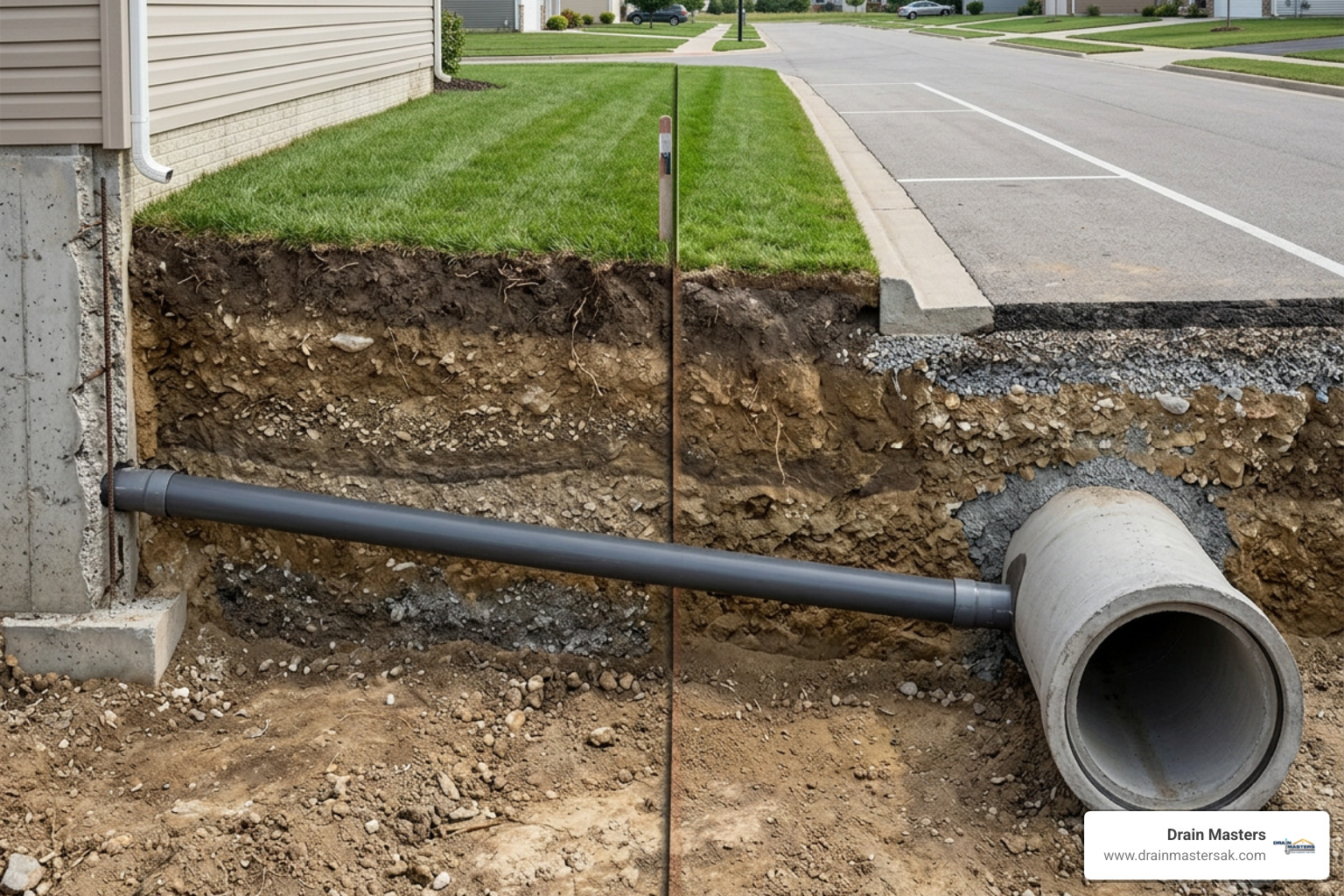
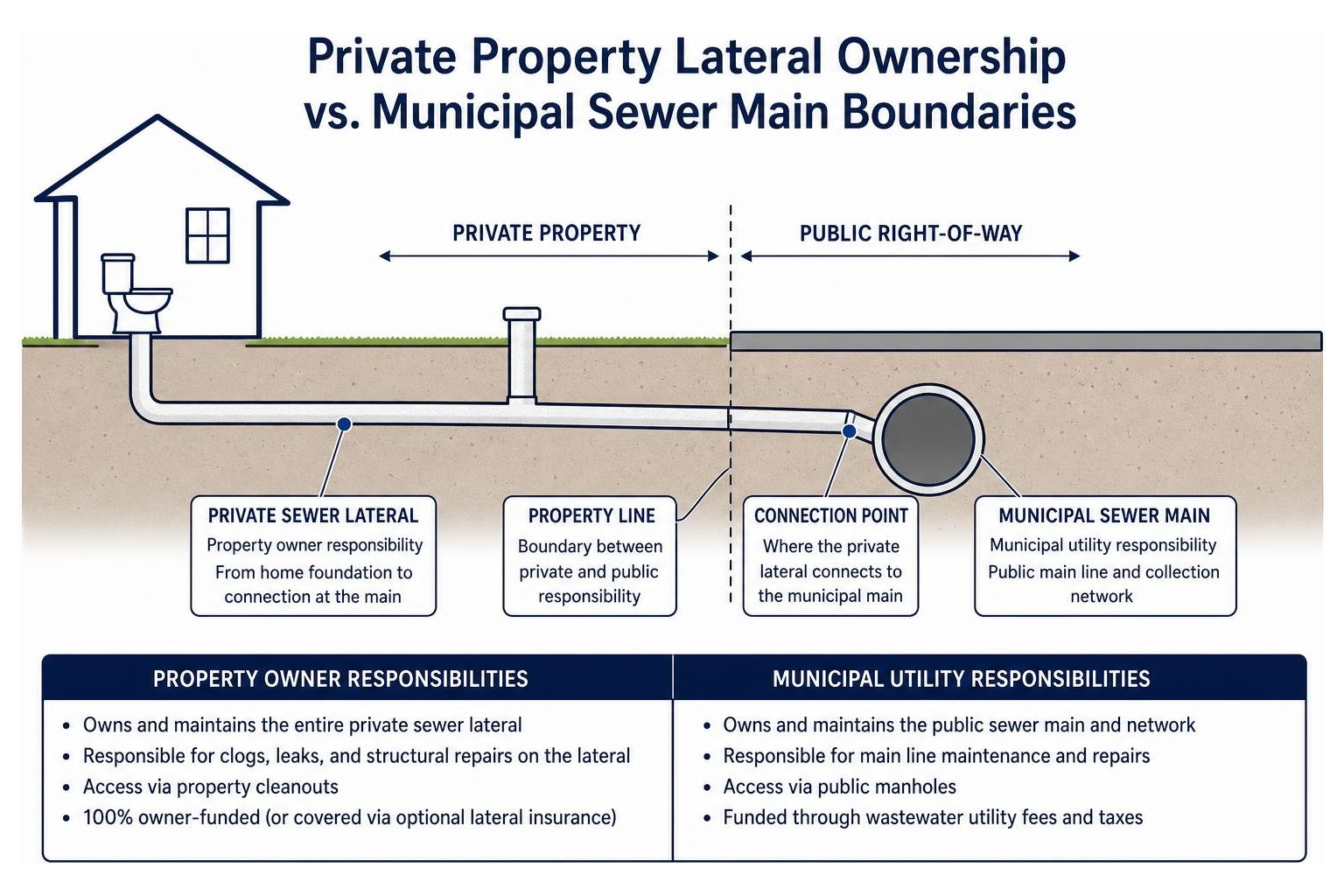
To find a reliable sewer service provider, homeowners should verify municipal plumbing licensing and insurance, insist on fiber-optic video camera diagnostics, confirm 24/7 emergency dispatch capabilities, and secure detailed written estimates with upfront pricing. Understanding how residential wastewater moves away from your home also requires knowing where your private property ends and public infrastructure begins. Every time you flush a toilet, run a dishwasher, or drain a sink, wastewater enters a network of drainage pipes that converge into a single underground conduit known as the private sewer lateral. This underground pipe carries waste across your property and connects directly to the municipal utility main buried beneath the public roadway or utility easement.
Navigating municipal infrastructure standards and wastewater guidelines established by environmental regulators like the U.S. Environmental Protection Agency (EPA) helps homeowners understand why local utility requirements are so strict. Properly managing these lines ensures municipal networks avoid catastrophic system overflows, environmental contamination, and hazardous backups into residential neighborhoods. When private connections fail, homeowners require dependable sewer services to resolve bottlenecks before wastewater impacts their homes or surrounding soil.
| Feature / Responsibility Area | Private Property Owner | Municipal Utility / City |
|---|---|---|
| Pipe Infrastructure | Private building lateral, from foundation to main connection | Public sewer main line and collection network |
| Maintenance & Clog Removal | Routine drain cleaning, root removal, and inspections | Main line jetting, lift station maintenance, and trunk line repairs |
| Structural Repairs | Lateral spot repairs, relining, and pipe replacements | Public main line rehabilitation and street excavations |
| Access Points | Property cleanouts and interior drainage vents | Public manholes and utility junction access points |
| Financial Responsibility | Owner-funded or covered by optional lateral insurance | Funded through public wastewater utility fees and municipal taxes |
Public Utility Jurisdiction vs. Private Property Boundaries
The distinction between public utility systems and private lines is straightforward: property owners are legally and financially responsible for the entire length of the private lateral. This responsibility starts at the home’s plumbing foundation and typically extends all the way to the physical connection, often called the tap or saddle, at the municipal main line in the street.
Municipal utility departments are responsible solely for maintaining the large public sewer mains, pump stations, and treatment facilities. If an underground pipe collapses, freezes, or experiences tree root intrusion anywhere along your private lateral line, the utility company will not clear or repair it. Maintaining, diagnosing, and repairing these buried residential pipes falls under specialized sewers and drains management that homeowners must coordinate privately. Understanding these boundaries prevents unexpected delays when dealing with slow drainage or structural line decay.
Municipal Billing Structures and Rate Determinations
Municipal sewer utility billing is calculated differently from standard metered drinking water. Because wastewater leaving a property is not metered directly through an outflow gauge, many public utilities estimate residential discharge volume based on clean water consumption patterns recorded by your primary water meter.
To prevent homeowners from being overcharged for outdoor summer water usage, such as lawn irrigation, garden watering, or washing vehicles, municipal systems often implement a Winter Water Use formula. This calculation reviews metered clean water consumption during the coldest months to establish a flat baseline for sewage discharge throughout the year. Utilities may also apply a Dry Winter Compensation Factor, often as a small adjustment, to balance seasonal precipitation patterns against actual indoor water discharge.
Revenues collected from these utility fees directly support regional infrastructure preservation, community wastewater treatment plant operations, and ongoing environmental compliance. When utility accounts fall severely delinquent, municipalities may assess late penalties, suspend services, or place property tax liens against the parcel until balances are settled in full.
Common Main Line Failures and Warning Signs
Underground sewer pipes operate under harsh subterranean conditions. Over decades of continuous operation, underground lines face continuous exposure to ground shifting, soil compaction, corrosive soils, and temperature swings. In colder regions like Anchorage, AK, extreme freeze-thaw cycles and deep frost lines place tremendous physical stress on buried pipes, creating substantial ground movement that can cause older, brittle lines to shear, disconnect, or form low spots known as bellies.
A primary cause of severe mainline blockages is aggressive tree root infiltration. Microscopic root tendrils seek out subterranean moisture, entering through minute pipe seams, hairline cracks, or deteriorating clay gaskets. Once inside the line, roots feed on nutrient-rich wastewater, quickly expanding into dense, webbed masses that trap solid waste and toilet paper. Over time, recurring root growth and structural decay can cause complete pipe collapse. When these issues escalate, understanding practical sewer blockage clearing techniques can help you evaluate what type of mechanical intervention may be needed before permanent structural damage occurs. Persistent noxious odors also indicate venting or structural issues that call for prompt attention to protect indoor air quality and household health.
Early Warning Signs of Main Line Obstruction
A mainline failure rarely happens without warning. Recognizing the early symptoms of a restricted lateral line allows you to schedule professional maintenance before raw sewage damages your flooring, drywall, and subflooring:
- Simultaneous Slow Drains: When multiple sinks, showers, and bathtubs across different rooms drain sluggishly at the same time, the clog is located inside the primary mainline rather than an isolated fixture trap.
- Gurgling Commodes and Fixtures: Air trapped inside a restricted sewer line searches for the nearest exit. Flushing a toilet that causes water to bubble up in an adjacent bathtub or hearing sinks gurgle indicates a developing mainline restriction.
- Seepage Around Low-Lying Floor Drains: The lowest plumbing fixtures in a home, typically basement or utility room floor drains, serve as the first overflow point when wastewater cannot escape to the municipal main.
- Sewer Gas Odors: Persistent rotten egg smells inside bathrooms, mechanical rooms, or near foundation perimeters suggest a cracked line, broken vent stack, or dried-out P-trap. Identifying these indicators early is critical when monitoring sewer clog warning signs around your plumbing system.
- Unexplained Patches of Lush Lawn: If a specific strip of your lawn suddenly appears noticeably greener, thicker, or perpetually soggy, wastewater escaping from a subterranean lateral crack may be fertilizing the soil from underneath.
Immediate Emergency Actions During a Backup
A mainline sewage backup represents a biohazard and an urgent property emergency. If wastewater begins surfacing inside your home, taking immediate, controlled safety precautions protects your household before professional service crews arrive:
- Stop All Indoor Water Use Immediately: Do not run faucets, flush toilets, operate showers, or run washing machines and dishwashers. Any water introduced into indoor drains will immediately discharge out of the lowest open fixture or floor drain in the building.
- Prioritize Electrical and Appliance Safety: If standing water or sewage reaches appliances like water heaters, boilers, or laundry units, do not walk through the water. Shut off power to threatened areas at the main electrical breaker box if it can be accessed safely from a completely dry location.
- Isolate the Contaminated Area: Keep children and household pets away from sewage-affected rooms. Raw wastewater contains harmful bacteria, viruses, and parasites that pose immediate health risks upon contact.
- Avoid Chemical Cleaners: Never pour consumer chemical drain openers down backed-up fixtures. These harsh products will sit trapped above the clog, generating corrosive heat that can damage piping and creating severe chemical splash hazards for responding technicians.
- Contact a Professional Sewer Specialist: Call for emergency dispatch right away. Professional teams possess the containment tools and heavy-duty mechanical equipment required to safely relieve the blockage and sanitize affected areas.
Diagnostic Methods and Modern Sewer Repair Solutions
Modern sewer diagnostics eliminate the need for guesswork and exploratory excavation. Experienced contractors utilize precision diagnostic and clearing technologies to accurately pinpoint underground defects without disrupting your landscaping, driveways, or hardscaping.
When addressing a compromised lateral, technicians first establish line access via an exterior or basement cleanout. From there, specialized cleaning tools eliminate obstructions and prepare the pipe walls for close visual inspection. In situations where physical collapse or severe offset joints prevent a standard cleaning, modern trenchless sewer repair methods can rehabilitate subterranean piping while leaving your yard intact.
Advanced Video Scoping and Hydro-Jetting Sewer Service
The most crucial step in assessing underground pipe health is a high-resolution sewer camera inspection. A flexible, fiber-optic video camera is inserted directly into the drainage line, transmitting real-time, high-definition footage of the pipe interior to an external monitor. This diagnostic technology reveals the exact location and severity of root masses, mineral scale, foreign object obstructions, joint offsets, bellies, and structural cracks.
Many diagnostic camera heads are equipped with an electromagnetic sonde transmitter. Above ground, a technician sweeps a digital locating wand across the soil to track the signal emitted by the camera head. This pinpoints the precise physical location and exact burial depth of a pipe defect, ensuring that if excavation is required, digging remains confined to a single target area rather than trenching the entire yard.
Once diagnostic footage identifies the problem, technicians deploy comprehensive cleaning methods. While traditional mechanical drum machines with steel cutting blades work well for slicing through thick root obstructions, hydro-jetting provides complete pipe wall restoration. Hydro-jetters pump pressurized water streams reaching up to 4,000 PSI through specialized reverse-facing nozzles. This scours away built-up grease, hardened sludge, scale, and root debris, flushing the waste out toward the municipal main and returning the interior pipe diameter to original carrying capacity.
Structural Repair and Trenchless Rehabilitation Methods
When a video inspection confirms structural failure rather than a simple clog, property owners must choose between traditional excavation and trenchless restoration. Modern rehabilitation techniques allow specialists to rebuild compromised lateral lines with minimal surface disruption:
- Cured-in-Place Pipe (CIPP) Lining: CIPP lining creates a seamless, joint-free pipe within a pipe. An epoxy-saturated felt tube is inserted into the damaged lateral, inflated to mold tightly against the host pipe walls, and cured until rock-hard. This completely seals cracks and locks out future root intrusion without digging up the lawn.
- Pipe Bursting: If a lateral line has collapsed or lost its structural integrity, pipe bursting pulls a heavy conical bursting head through the old line. The head breaks the existing brittle pipe outward into surrounding soil while simultaneously pulling a new, durable high-density polyethylene pipe into place behind it.
- Traditional Open-Trench Excavation: In cases of extreme pipe bellies where the line sags and holds standing water or severe ground shifting has occurred, conventional open-trench excavation remains the definitive method to regrade the trench bedding and install brand-new piping to proper municipal slope standards.
Step-by-Step Guide to Selecting a Professional Sewer Contractor
Choosing the right contractor to service your home’s main drainage line requires careful vetting. Because major sewer work involves subterranean utilities, municipal connections, and specialized diagnostic equipment, selecting an unqualified contractor can turn a manageable repair into an expensive, protracted project.
Homeowners can protect their investment by researching local service practices, customer reviews, and verified licensing credentials. It is also wise to understand what can affect inspection and repair pricing before approving invasive work, including line depth, pipe condition, access limitations, and whether a repair can be handled with targeted service or requires larger rehabilitation.
Vetting Emergency Response and Comprehensive Sewer Service Credentials
Before hiring a company, confirm that they possess the certifications, equipment, and capacity to handle full-scale drainage emergencies:
- State Licensure and Full Insurance: Verify that the plumbing contractor carries an active municipal contractor license, comprehensive commercial general liability insurance, and worker’s compensation coverage. This shields you from financial liability in the event of job-site accidents.
- Specialized Diagnostic Tooling: Ensure the company owns and operates its own commercial-grade fiber-optic camera systems, sonde underground pipe locators, and hydro-jetting machines. Contractors who lack dedicated diagnostic gear often rely on guesswork or subcontract out their excavation work.
- 24/7 Rapid Emergency Response: Mainline blockages rarely occur on a convenient schedule. Confirm the contractor maintains genuine around-the-clock emergency dispatch capable of providing rapid mainline clearing when sewage threatens your finished basement or living spaces.
- Verifiable Local Reputation: Review recent customer feedback across independent review platforms to evaluate punctuality, cleanliness, communication, and warranty support.
Evaluating Estimates and Replacement Pricing Factors
Never agree to a complete sewer line replacement based solely on a technician running a mechanical snake down a drain. Professional contractors insist on performing a complete video inspection before issuing structural estimates. Utilizing dedicated video camera diagnostics provides clear visual documentation of the problem, allowing you to see the exact crack, break, or root mass with your own eyes.
If inspection footage shows more than a routine clog, this breakdown of sewer line repair versus replacement can help homeowners understand why teams recommend different repair paths for different pipe conditions. A localized crack, a repeated root problem, a collapsed section, and a long deteriorated run do not call for the same solution, so written estimates should connect the recommendation directly to the camera findings.
When evaluating written quotes, ensure the contractor outlines every variable that influences the final scope of work:
- Depth and Total Linear Footage: Deeper lines and longer pipe runs require additional labor, shoring equipment, and trench safety measures.
- Surface Hardscaping and Restoration: A complete estimate should state whether concrete breaking, asphalt repair, sidewalk restoration, and landscape backfilling are included in the scope.
- Permitting and Municipal Fees: Major lateral repairs, street excavations, and utility tap connections require municipal permits and municipal inspections. Ensure all permit acquisition and inspection fees are accounted for upfront.
- Warranty Documentation: Request clear, written warranty terms covering both the installation labor and the pipe materials to protect your home for years to come.
Frequently Asked Questions About Sewer Service
What does a comprehensive sewer service include?
A comprehensive service appointment includes diagnostic video camera scoping, line locating, mechanical cable clearing, high-pressure hydro-jetting, and structural pipe rehabilitation. A qualified technician inspects the line from the cleanout to the municipal connection, identifies blockages or structural defects, clears standing waste, and provides clear recommendations for long-term maintenance or repairs.
How do municipalities calculate residential sewer charges?
Most public utility authorities calculate residential sewer fees based on clean water consumption using a Winter Water Use formula. By evaluating your metered water usage during the winter months, when no water is used for outdoor irrigation, utilities determine an accurate baseline for indoor sewage discharge. This baseline is often adjusted with a Dry Winter Compensation Factor to establish a fair, predictable year-round monthly rate.
What are the main causes of residential sewer pipe clogs?
The most frequent causes of residential sewer clogs include tree root intrusion through pipe seams, accumulated fats, oils, and grease (FOG) congealing along pipe walls, flushed foreign objects (like baby wipes, hygiene products, and paper towels), pipe bellies holding standing sludge, and aging pipe deterioration such as corroded cast iron or collapsed clay joints.
What is the difference between public sewer mains and private laterals?
The private lateral is the underground pipe that runs from your home’s foundation to the municipal sewer main in the street or utility easement; maintenance and repairs along this line are entirely the homeowner’s responsibility. The public sewer main is the larger municipal collection pipe that transports wastewater from multiple properties to the regional treatment plant, which is maintained exclusively by the city or utility district.
How do professional technicians detect hidden sewer line breaks?
Technicians locate hidden breaks by feeding high-definition, self-leveling fiber-optic cameras directly through an access cleanout. Many camera heads feature built-in sonde transmitters that emit an electromagnetic signal. An above-ground locator tracks this signal to map the pipe’s subterranean path, pinpointing the precise location and depth of underground breaks without exploratory digging.
How does hydro-jetting compare to mechanical cable snaking?
Mechanical cable snaking uses flexible steel cables with rotating blades to punch a hole through clogs and slice apart thick root obstructions. Hydro-jetting uses high-pressure water streams (up to 4,000 PSI) to scour the entire interior circumference of the pipe. While snaking restores initial drainage flow, hydro-jetting washes away stubborn grease, scale, and loose debris, restoring the pipe to like-new capacity.
What are the standard costs for sewer line repairs and replacements?
Repair costs vary depending on the depth of the pipe, total linear footage, ground conditions, surface hardscaping, and whether the repair is a targeted spot fix or a full trenchless replacement. Trenchless methods like CIPP lining or pipe bursting can save money on landscape and concrete restoration compared to open-trench excavation. Requesting a camera inspection ensures an accurate, upfront estimate.
What should a property owner do immediately during a sewage backup?
During an active sewage backup, immediately stop using all indoor water fixtures, sinks, toilets, and appliances. Avoid using chemical drain cleaners. If standing water approaches electrical outlets or basement appliances, safely turn off power to those circuits from a dry main breaker box. Keep people and pets away from contaminated areas and contact a licensed sewer specialist for emergency service.
Why are chemical drain cleaners harmful to sewer lines?
Over-the-counter chemical drain cleaners rely on corrosive substances like sulfuric acid or sodium hydroxide (lye) that generate intense chemical heat when trapped in standing water. This heat can warp or melt modern PVC pipes, accelerate corrosion in cast iron lines, and dissolve pipe gaskets. Furthermore, these chemicals rarely clear deep mainline clogs and create hazardous working conditions for service technicians.
How do commercial septic pumping and drain clearing services operate?
Commercial septic and drain cleaning services utilize high-capacity vacuum tanker trucks to pump accumulated solids, sludge, and liquid waste from septic tanks, grease traps, sand interceptors, and lift stations. Technicians measure scum and sludge layers, pump out the containment tanks, wash down interior baffles, and transport wastewater to licensed municipal facilities in compliance with environmental standards.
Restoring Flow with Professional Drainage Care
Maintaining a clean, structurally sound sewer system protects your property value, protects your family’s health, and prevents unexpected drainage emergencies. At Drain Masters, our team has served residential and commercial property owners across Anchorage, AK for more than 20 years. Performing thousands of jobs annually with upfront pricing and advanced diagnostic tools, we deliver honest assessments, high-definition camera evaluations, and durable repairs. If you notice slow drains, gurgling toilets, or damp basement floor drains, get dependable help with your home’s drainage system today by contacting our professional sewer service technicians.