
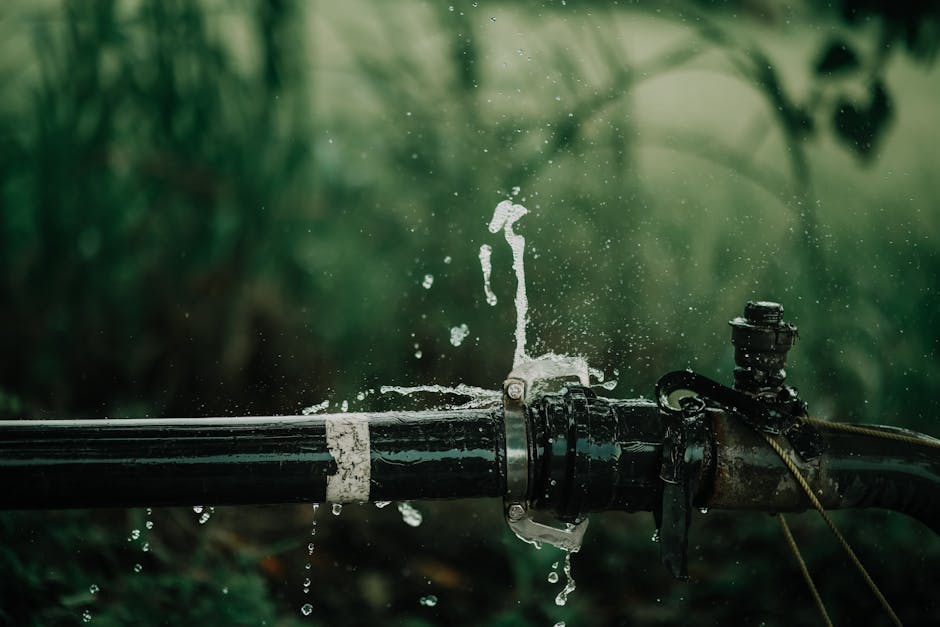
Why Water Line Repair Should Never Wait
Water line repair is one of the most urgent plumbing issues a homeowner can face. When the main line that carries water from the city supply into your home is damaged, every faucet, shower, and appliance stops working reliably. Pressure drops. Water bills spike. And if the leak goes undetected underground, it can silently erode your foundation over time.
Here is a quick overview of how to fix a water line:
- Locate and diagnose the leak using electronic detection or visual inspection
- Shut off the water supply at the curb stop or main shut-off valve
- Excavate the damaged area safely after calling 811 (Call Before You Dig)
- Cut out the damaged pipe section using the appropriate pipe cutters
- Select the right replacement material (copper, PEX, HDPE, or PVC)
- Install the new pipe section with proper fittings and secure connections
- Pressure test the line and backfill the excavation to restore your yard
Most repairs are best handled by a licensed plumber. Permitting requirements, underground utility risks, and the need for pressure testing make this a job where professional help pays off. Pricing can vary depending on the extent of damage, pipe material, and access to the affected area.
In Anchorage, AK, water lines face added stress from extreme freeze-thaw cycles and shifting soil, which means problems can escalate faster than in milder climates. Catching the warning signs early, like a soggy yard, low water pressure, or an unexplained jump in your water bill, can be the difference between a simple repair and a full line replacement.
I’m Debra Blouin, General Manager of Drain Masters, and with over two decades of hands-on experience overseeing plumbing operations in Anchorage, I’ve seen how quickly an unaddressed water line repair can turn into a costly emergency. In this guide, I’ll walk you through each step so you know exactly what to expect.
Understanding Your Main Water Line and Why It Fails
Your main water line is the single most critical pipe in your home’s entire plumbing system. Buried deep beneath your property, it connects your indoor plumbing directly to the municipal water supply or a private well. This pipe is constantly under high pressure, working 24 hours a day to deliver fresh, clean water to every tap, showerhead, and water-using appliance. Because it is buried out of sight, it is easy to forget about until a major failure occurs.
Underground water lines are built to last for decades, but they are not indestructible. Over time, environmental forces and material degradation can cause even the sturdiest pipes to crack, rupture, or collapse. Understanding why these pipes fail can help you spot the early signs that your home has a water leak before it turns into a catastrophic basement flood or a ruined yard.
Several major factors contribute to main water line failure:
- Soil Movement and Ground Settling: As the earth shifts, it puts immense physical stress on buried pipes. Ground settling can occur naturally over time, or it can be accelerated by heavy vehicle traffic on the surface, nearby construction, or significant changes in soil moisture.
- Freezing Temperatures: When water freezes, it expands with incredible force. If a water line is not buried below the local frost line, the water inside can freeze, creating pressure that splits the pipe wide open.
- Corrosion: Older pipe materials, particularly galvanized steel or cast iron, are highly susceptible to corrosion. As minerals in the water and soil react with the metal, the pipe walls thin out, scale builds up, and pinhole leaks begin to form.
- Tree Root Intrusion: Tree roots are naturally drawn to the warmth and moisture surrounding underground pipes. If there is even a tiny crack or loose joint in your water line, hair-like tree roots will find their way inside, expanding over time until they block or shatter the pipe.
When these factors take a toll on your plumbing, you will quickly notice low water pressure in your home throughout your house. A sudden drop in water pressure is often the first indicator that valuable water is escaping into the surrounding soil instead of reaching your fixtures.
Common Warning Signs of a Damaged Pipe
Because water lines are buried underground, you cannot simply look at the pipe to see if it is leaking. Instead, you must rely on secondary clues that point to an active underground leak. Recognizing these warning signs early can save you from extensive property damage and high repair bills.
- Soggy or Spongy Spots in the Yard: If you notice patches of grass that are unusually green, lush, or muddy when the rest of your lawn is dry, you likely have a water line leak. In severe cases, water may bubble up to the surface or create sinkholes.
- Unusually High Water Bills: A sudden, unexplained spike in your monthly water utility bill is a classic indicator of a hidden leak. If your water usage habits have not changed but your bill has doubled, water is escaping somewhere.
- Discolored or Rusty Water: If the water coming out of your faucets has a brown, yellow, or reddish tint, it could mean your water line is corroding. Soil and debris can also enter the line through cracks, contaminating your drinking water.
- Hissing or Bubbling Sounds: Sometimes, you can actually hear a water line leak. If you hear a constant hissing, whistling, or running water sound near your basement walls or water meter when no water is running in the house, a pipe may be damaged.
If you suspect a leak but cannot find the exact source, scheduling a professional leak detection and repair service is the most efficient way to pinpoint the problem without digging up your entire yard. Specialists use advanced acoustic equipment and thermal imaging to find the exact location of the break.
Regional Causes of Water Line Damage
In Southcentral Alaska, water lines are subjected to some of the harshest environmental conditions in North America. Homeowners in Anchorage, AK, must deal with unique geological and climatic challenges that are rarely encountered in milder regions.
The primary culprit behind local pipe failures is the extreme freeze-thaw cycle. During our long, freezing winters, the ground freezes deep, sometimes reaching depths of six to ten feet. This deep frost line can easily reach water lines that were not buried deeply enough. When the ground freezes and thaws, it undergoes frost heaving, which physically lifts and shifts the soil. This constant, powerful movement bends and cracks rigid pipes.
Additionally, dealing with frozen pipe issues is an annual hazard. When water freezes inside a main line, it creates an ice blockage that stops all water flow and puts extreme pressure on the pipe walls, leading to sudden bursts.
Addressing these challenges requires specialized local knowledge. Standard plumbing techniques used in warmer states simply will not hold up to the demands of our sub-arctic climate. That is why working with a team that provides reliable plumbing services in Anchorage is so critical. Local experts understand how deep pipes must be buried, what insulation materials are necessary, and how to navigate shifting gravel and silt soils safely.
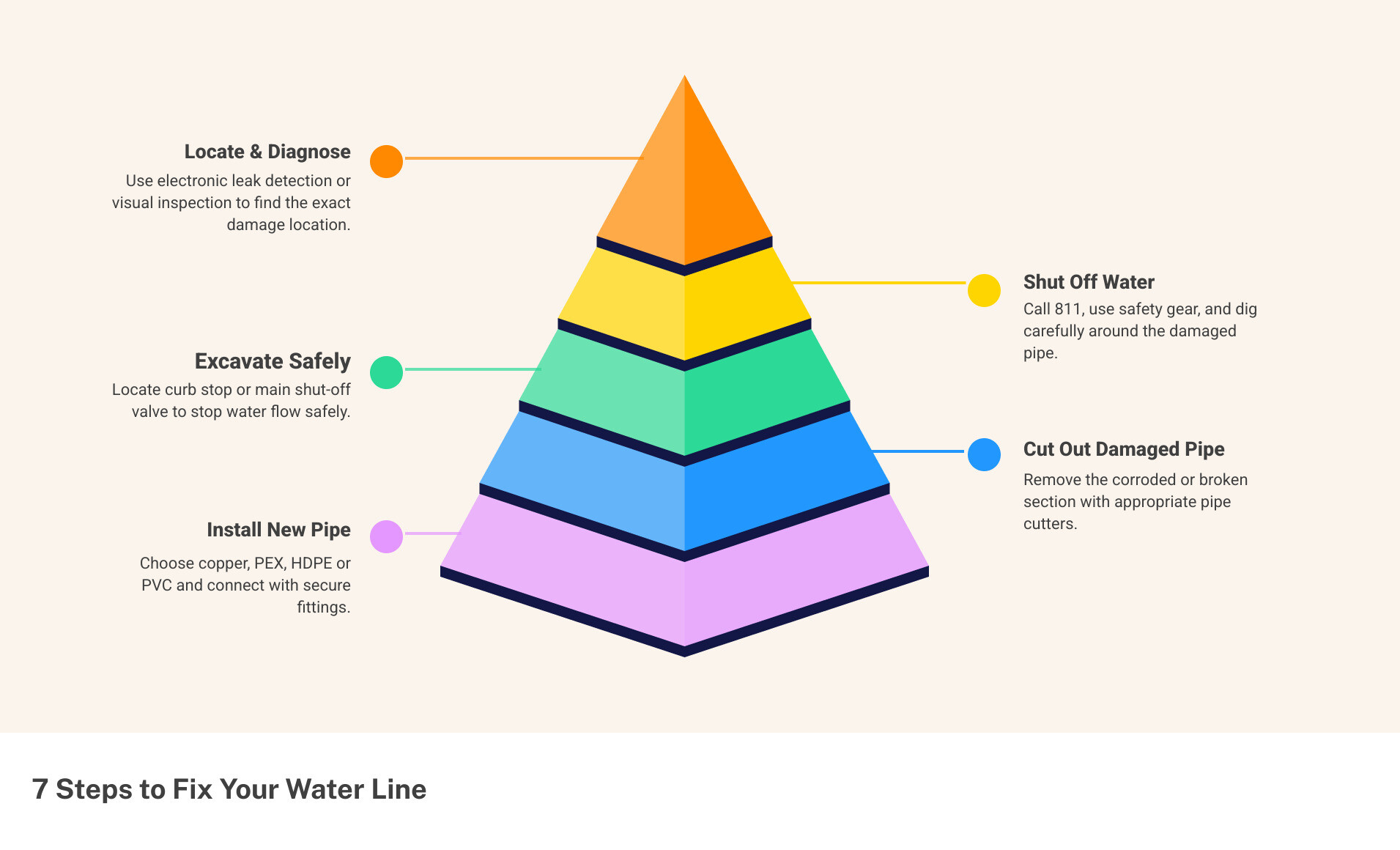
How to Fix Water Line Issues in 7 Steps

Fixing an underground water line is a complex, labor-intensive process that requires precision, physical stamina, and specialized tools. While some minor, shallow repairs can be attempted by highly experienced DIY enthusiasts, most main water line repairs require professional intervention due to safety hazards, permitting laws, and the risk of property damage.
Before beginning any work, it is essential to prioritize safety. Always wear appropriate personal protective equipment, including safety goggles, heavy-duty work gloves, steel-toed boots, and a hard hat if working in deep trenches. Deep trenches can collapse without warning, so any excavation deeper than four feet must be properly sloped or shored.
Important Safety and DIY Warning
Before attempting any hands-on work on an underground utility line, understand that plumbing systems of this scale involve significant structural and physical hazards. If safety concerns arise, if you lack the specialized tools required for deep excavation and pipe joining, or if you are at all unsure about performing the task correctly, you must contact a licensed professional immediately. Working in trenches carries a risk of cave-ins, and accidental contact with buried electrical or gas lines can be fatal.
Here is a detailed, step-by-step breakdown of how a professional plumbing team diagnoses, excavates, and repairs a damaged main water line.
Step 1: Locate and Diagnose the Leak
The first step in any successful repair is finding the exact location of the pipe failure. Guesswork can lead to unnecessary excavation, which destroys landscaping and increases labor costs.
Professionals use electronic leak detection equipment to listen for the sound of escaping water underground. Ground microphones and acoustic sensors pick up the high-frequency vibrations created by a pressurized leak, allowing technicians to mark the exact spot on the surface. In some cases, a plumbing camera is inserted into the line to inspect the interior walls of the pipe.
If you are dealing with a suspected leak, securing a professional service to repair an underground water leak diagnostic service ensures that the excavation is targeted and minimally invasive.
Step 2: Shut Off the Water Supply
Before cutting into any pressurized pipe, the water supply must be completely shut off. Attempting to repair a live water line will result in immediate flooding, trench collapse, and potential injury.
There are two primary locations where the water can be shut off:
- The Main Home Shut-Off Valve: Usually located in the basement, crawlspace, or utility room where the water line enters the house.
- The Curb Stop Valve: This is an underground valve located near the property line, typically housed inside a metal pipe with a heavy lid at ground level. Turning this valve off requires a specialized, long-handled tool called a curb key.
In some jurisdictions, only municipal utility employees or licensed plumbers are legally allowed to operate the curb stop valve.
Step 3: Excavate the Damaged Area Safely
Once the leak is located and the water is off, excavation can begin. However, you cannot simply start digging. Buried alongside your water line are other critical utilities, including natural gas lines, electrical conduits, fiber optic cables, and sewer pipes.
Before a single shovel touches the dirt, you must call 811 (the national Call Before You Dig hotline) or submit an online request. Utility companies will visit your property to mark the exact paths of their underground lines with color-coded paint or flags.
Once the utility lines are marked, excavation can proceed. Near the marked utilities, digging must be done carefully by hand with shovels rather than heavy machinery to prevent accidental line strikes.
Step 4: Cut Out the Damaged Section
With the damaged pipe fully exposed, the plumber will clean the exterior of the pipe to remove mud, rust, and debris.
Using specialized pipe cutters designed for the specific pipe material (such as a copper tubing cutter or a heavy-duty plastic pipe cutter), the plumber will make clean, square cuts on either side of the damaged section. It is vital to cut far enough back to reach strong, healthy pipe material, as joining new pipe to corroded or weak existing pipe will lead to premature failure.
Always wear safety goggles during this step, as trapped pressure or residual water can spray out when the pipe is first punctured.
Step 5: Select the Right Replacement Material
Choosing the right material for the replacement pipe section is critical for ensuring a long-lasting repair. The new pipe must be compatible with the existing pipe material or joined using approved transition couplings.
The table below compares the most common water line materials used in modern plumbing:
| Material | Advantages | Disadvantages | Best Used For |
|---|---|---|---|
| Copper | Highly durable, naturally antibacterial, resists corrosion in most soils, long lifespan | Expensive, rigid, susceptible to damage from acidic soil or electrolysis | Traditional repairs, highly stable ground conditions |
| PEX (Cross-linked Polyethylene) | Extremely flexible, freeze-resistant, fewer joints needed, cost-effective | Cannot be exposed to direct UV light, requires specialized expansion tools | Modern residential water lines, cold climates |
| HDPE (High-Density Polyethylene) | Incredibly strong, seamless, highly flexible, excellent for trenchless replacement | Requires specialized fusion equipment for joints | Trenchless pipe pulling and directional drilling |
| PVC (Polyvinyl Chloride) | Cheap, lightweight, easy to cut and join with solvent weld | Rigid, can become brittle in cold temperatures, prone to cracking under soil stress | Warm climates, shallow installations, budget-conscious repairs |
Step 6: Install the New Pipe Section
With the damaged section removed and the new material selected, the plumber will measure and cut the replacement pipe to the exact length needed.
Using high-quality couplings and fittings, the new section is spliced into the existing line. For copper pipes, this may involve soldering (sweating) the joints or using heavy-duty compression fittings. For PEX or HDPE, specialized crimp rings, expansion sleeves, or mechanical compression couplings are used to create a watertight seal.
Properly securing these connections prevents future leaks and ensures the line can withstand high water pressure. If you need help with this step, our team specializes in handling general plumbing repairs to keep your system running smoothly.
Step 7: Pressure Test and Backfill
Before burying the repaired pipe, it must be thoroughly tested. The plumber will turn the water supply back on slowly to repressurize the line.
While the pipe is exposed, the technician will inspect every joint and connection for even the slightest sign of moisture. The line is kept under full pressure for a designated period to guarantee its integrity. Additionally, faucets inside the home are opened to flush out any air, sediment, or debris that may have entered the system during the repair.
Once the repair passes the pressure test, the trench is carefully backfilled. Sand or fine gravel is packed around the pipe first to protect it from sharp rocks, followed by the excavated soil, which is compacted in layers to prevent future settling.
Professional Water Line Repair vs. Full Replacement
When faced with a leaking water main, one of the biggest decisions you will have to make is whether to perform a localized spot repair or replace the entire line.
A spot repair involves excavating only the area where the leak is located and replacing a small section of pipe. This is a cost-effective option if the rest of the water line is in excellent condition and the damage was caused by an isolated event, such as a tree root strike or accidental digging damage.
However, if your water line is constructed from outdated materials like galvanized steel, or if it has leaked multiple times in different areas, a full replacement is usually the smarter long-term investment. Continually patching an old, corroding pipe is a temporary fix that will cost you more money in repeated service calls over time.
Fortunately, modern plumbing technology offers minimally invasive options for full line replacement, allowing you to avoid the destruction of traditional excavation. If you are unsure which option is right for your home, consulting with a team that can repair your main water line can help you weigh the pros and cons based on your pipe’s age and condition.
When to Choose Trenchless Water Line Repair
Traditionally, replacing a water line meant digging a massive, continuous trench from the street to the house, destroying lawns, driveways, sidewalks, and expensive landscaping in the process. Today, trenchless technology allows us to replace underground pipes with minimal disruption to your property.
There are two primary methods of trenchless water line replacement:
- Pipe Bursting: A steel cable with a heavy, cone-shaped bursting head is pulled through the old pipe. As it is pulled, the bursting head shatters or splits the old pipe while simultaneously pulling a brand-new, seamless HDPE pipe into place behind it.
- Directional Drilling (Boring): A specialized drilling rig bores a horizontal path underground from one small access pit to another. Once the path is cleared, the new pipe is pulled through the tunnel.
Trenchless replacement is highly advantageous because it preserves mature trees, paved driveways, and manicured lawns. It also significantly reduces labor time, with most projects being completed in just one to two days. Because HDPE pipe is seamless and highly flexible, it is exceptionally durable and highly resistant to future root intrusion and soil movement.
Cost Factors and Responsibility for Water Line Repair
A common point of confusion for homeowners is determining who is responsible for paying for water line repairs.
As a general rule, the homeowner is responsible for the entire length of the water service line that runs from the property line (typically the curb stop valve or city water meter) all the way into the house. The city or municipal utility company is only responsible for the main water line running down the street and the connection up to your property line.
Several factors will influence the overall cost of your water line service:
- Depth of the Pipe: In cold climates like Anchorage, AK, pipes are buried much deeper to prevent freezing, which requires deeper excavation and more labor.
- Location and Access: If the pipe runs under a paved driveway, concrete patio, or mature landscaping, the cost will increase due to the complexity of excavation and subsequent property restoration.
- Permits and Inspections: Most local municipalities require permits and official inspections for water line replacements to ensure the work meets current building codes.
- Pipe Materials: High-durability materials like copper or specialized HDPE can affect the material cost of the project.
To avoid sudden, costly emergencies, investing in regular preventive maintenance for your plumbing is highly recommended. Annual inspections and pressure tests can identify minor issues before they develop into major pipe failures.
Frequently Asked Questions about Water Line Repair
What is a main water line?
The main water line is the primary underground pipe that delivers fresh, pressurized, potable water from your city’s municipal water supply or a private well directly into your home’s plumbing system. Every indoor faucet, shower, toilet, and water-using appliance relies entirely on this single pipe to function.
Who is responsible for the water line between the house and the meter?
In most municipalities, the homeowner is fully responsible for the maintenance, repair, and replacement of the water service line from the property line (often marked by the city water meter or curb stop valve) all the way into the home. The city utility department is only responsible for the public water main in the street and the connection up to your property line.
What are the signs of a main water line leak?
Common signs of an underground water line leak include a sudden, unexplained drop in indoor water pressure, soggy or unusually green patches in your yard, a dramatic spike in your monthly water bill, discolored or rusty water coming from your taps, and the sound of running or hissing water when all household fixtures are turned off.
How much does water line repair typically cost?
The pricing for a water line repair can vary significantly depending on several key factors. These include the depth of the pipe, the material being used, the location of the leak, and whether traditional excavation or trenchless methods are required. Spot repairs are generally less expensive, while a complete line replacement will require a larger investment. Homeowners should request a professional estimate for accurate pricing.
What is trenchless water line replacement?
Trenchless water line replacement is a modern, minimally invasive plumbing method that allows technicians to install a new underground water line without digging a continuous trench across your property. Using techniques like pipe bursting or directional boring, plumbers can pull a new, durable pipe through the old line using only small entry and exit pits, preserving your lawn, driveway, and landscaping.
How long does a typical water line repair take?
A standard localized spot repair can often be completed in a single day, usually taking between four to eight hours once the leak is located. A full water line replacement using trenchless technology typically takes one to two days, while traditional open-trench excavation for a full replacement may take several days depending on soil conditions and the complexity of the excavation.
Can I perform a DIY water line repair?
It is highly recommended that you hire a licensed professional for water line repairs. Buried water lines are under high pressure and require specialized excavation, heavy-duty tools, and proper safety equipment to prevent trench cave-ins. Additionally, most cities require permits and inspections for water line work, and accidental damage to nearby gas or electric lines can be extremely dangerous.
What pipe materials are best for water line replacement?
The most common and durable materials used today are copper and High-Density Polyethylene (HDPE) or PEX. Copper is highly traditional and durable, while HDPE and PEX are exceptionally flexible, highly resistant to corrosion and tree roots, and less likely to burst during extreme freezing temperatures, making them excellent choices for cold climates.
Does homeowners insurance cover water line repair?
Standard homeowners insurance policies typically do not cover water line repairs that fail due to normal wear and tear, age, corrosion, or tree root intrusion. However, some policies may cover the repair costs if the damage was caused by a sudden, accidental event, or if you have a specific “service line utility coverage” rider added to your policy.
How can I prevent my water lines from freezing in Anchorage, AK?
To prevent water lines from freezing during harsh winter weather, ensure your main line is buried well below the local frost line (typically at least ten feet deep in our region). Additionally, keep your home’s crawlspace or basement insulated, seal any foundation cracks that allow cold air drafts near pipes, and let your faucets drip slowly during periods of extreme sub-zero temperatures to keep water moving.
Conclusion
While understanding the steps involved in a water line repair can help you monitor the health of your plumbing, actually executing these repairs is a highly technical and physically demanding job. Working deep underground presents significant safety hazards, including potential trench cave-ins, contact with buried electrical or gas lines, and the risk of contaminating your household drinking water if connections are not sealed perfectly.
Because of these risks, along with strict local permitting laws and the specialized tools required for pressure testing, attempting a DIY repair on your main water line is never recommended. If safety concerns arise, if specialized tools are required, or if you are at all unsure about performing the task correctly, you must contact a professional immediately to handle the plumbing and structural systems safely.
Whether you need fast water line repairs, advanced leak detection, or a complete trenchless system replacement, the team at Drain Masters is ready to help. Schedule your professional plumbing service today to protect your home and restore your peace of mind.