
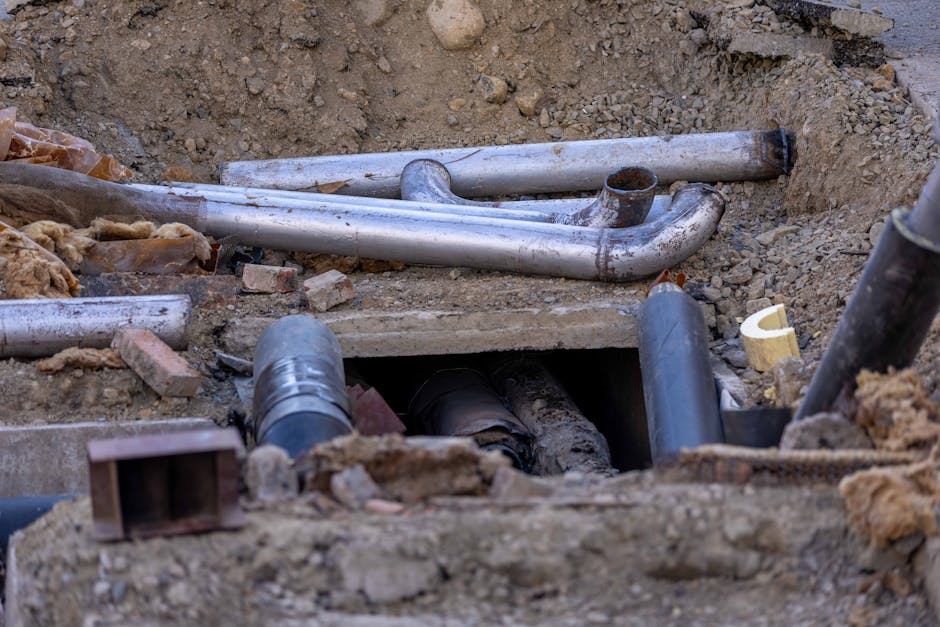
Why Sewer Pipe Repair in AK Requires Local Expertise
When it comes to sewer pipe repair in AK, acting fast can mean the difference between a straightforward fix and a costly, drawn-out disaster. Alaska’s extreme cold, shifting ground, and aging infrastructure create pipe problems that are unique to this part of the country. Homeowners in cities like Anchorage, AK must deal with environmental factors that simply do not exist in the lower forty-eight states.
Here is a quick overview of what Alaska homeowners need to know:
| Situation | What to Do |
|---|---|
| Sewage backing up into drains | Call an emergency plumber immediately |
| Multiple slow drains at once | Schedule a camera inspection |
| Foul odors near drains or yard | Contact a sewer specialist for diagnosis |
| Soggy patches on your lawn | Have your sewer line inspected for leaks |
| Recurring clogs after clearing | Ask about trenchless pipe relining options |
One moment your drains seem a little sluggish. The next, you are dealing with sewage backing up through a floor drain or a toilet that gurgles every time you run the kitchen sink. These are not isolated plumbing annoyances. They are warning signs that your main sewer line may be failing. When underground infrastructure begins to deteriorate, the consequences can quickly spread throughout your entire home, causing water damage, mold growth, and significant health hazards.
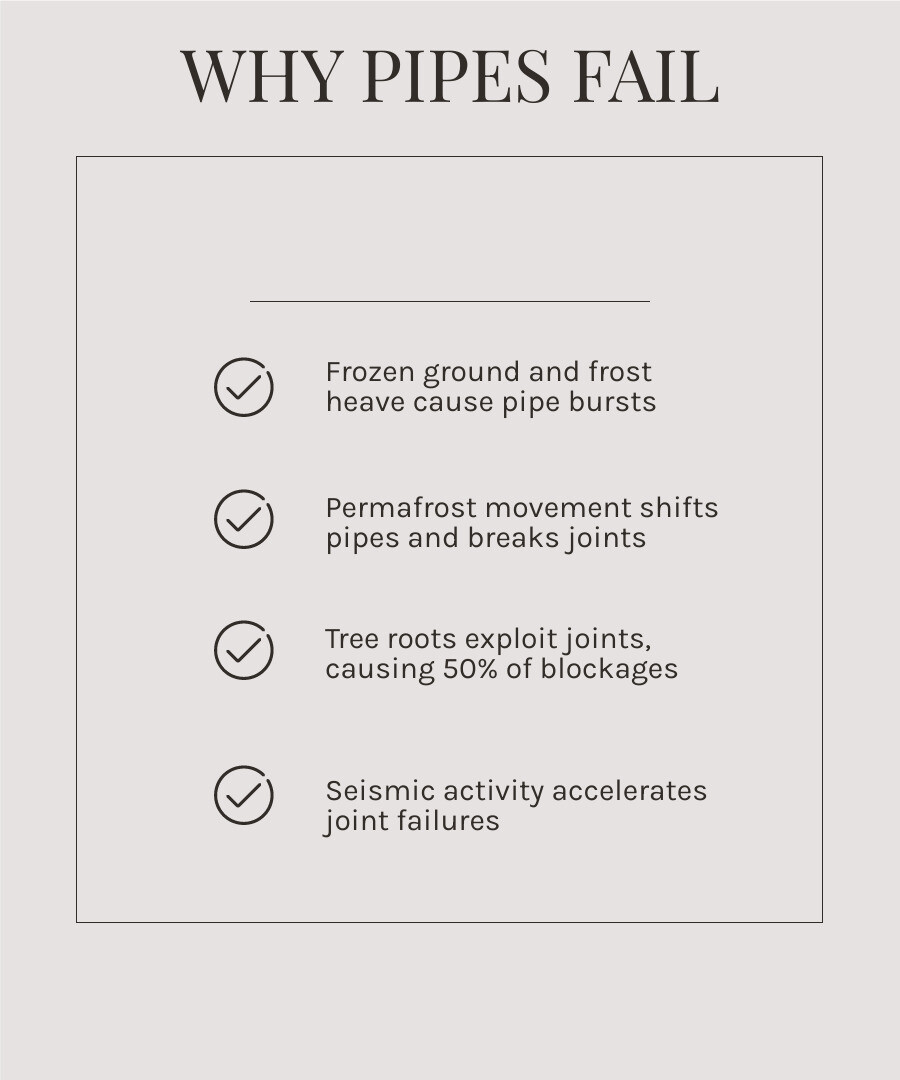
Alaska homeowners face challenges that homeowners in warmer states simply do not. Frozen ground, permafrost movement, seismic activity, and decades-old clay or cast iron pipes all put serious stress on underground sewer systems. Root intrusion alone is responsible for roughly half of all sewer blockages nationwide, and in Alaska, ground movement makes those vulnerable pipe joints even easier for roots to exploit. During the spring thaw, the ground shifts dramatically, putting immense shear stress on buried lines.
The good news is that modern repair methods, including trenchless technology and cured-in-place pipe lining, have made it possible to restore sewer lines faster and with far less disruption than traditional excavation. Pricing can vary depending on several factors, including pipe depth, location, and the extent of damage, but getting a professional assessment early almost always saves money in the long run. By avoiding the need to dig up entire yards, driveways, and landscaping, trenchless solutions offer a highly efficient alternative.
I’m Debra Blouin, General Manager of Drain Masters, and with over two decades of hands-on experience overseeing sewer and drain services across Anchorage, AK, I have seen how quickly a minor sewer issue can escalate into a major repair when it goes unaddressed. This guide will walk you through everything you need to know about sewer pipe repair in AK, from spotting the early warning signs to choosing the right repair method for your home.
Common Causes of Sewer Line Damage in Alaska
Sewer pipes buried beneath the surface in Anchorage, AK are subjected to some of the most punishing environmental conditions in North America. Unlike milder climates where underground pipes rest undisturbed for decades, Alaskan soils are constantly in motion. Understanding what causes underground pipe failure is the first step in deciding how to address it.
Freezing Temperatures and Permafrost
The most obvious threat to Alaskans’ plumbing is the deep winter freeze. During the coldest months, the frost line can penetrate several feet into the ground. This extreme cold causes the water within the soil to freeze and expand, a phenomenon known as frost heave.
Frost heave exerts immense upward and lateral pressure on buried utilities. When the ground freezes and thaws seasonally, it shifts the soil surrounding your sewer lateral. This constant movement can cause pipes to bow, crack, or completely disconnect at the joints. In many older neighborhoods, the pipes were not buried deep enough or lacked proper insulation, making them highly susceptible to freezing solid. When water freezes inside a pipe, it expands with enough force to split cast iron, plastic, or clay pipes wide open.
In areas with discontinuous permafrost or highly saturated soils, the ground structural support is highly unstable. As temperatures fluctuate, the shifting earth can create bellies, which are low spots, in the sewer line. Waste settles in these low spots, leading to chronic blockages and eventual structural failure. Over time, these bellies collect standing water and solid waste, creating a persistent clog point that cannot be cleared with simple snaking.
Root Intrusion and Ground Movement
Many homeowners are surprised to learn that tree roots are a major threat to their sewer lines, even in Alaska. During our short, intense growing seasons, trees and deep-rooted shrubs aggressively seek out moisture and nutrients. Your sewer pipe, which carries warm, nutrient-rich water, is an incredibly attractive target.
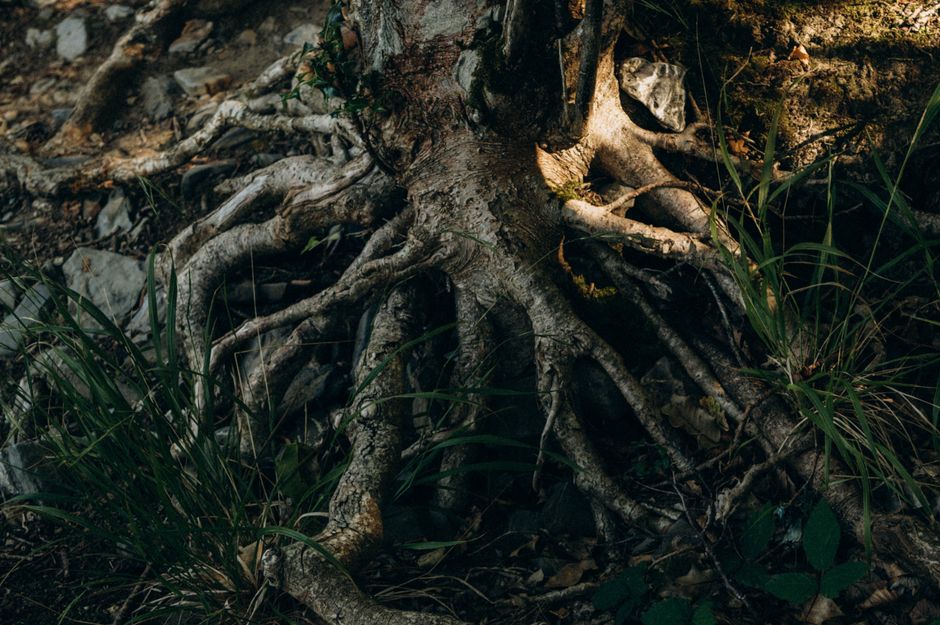
Because older homes in Anchorage, AK were often built with cast iron or clay pipes, they are highly susceptible to root intrusion. Over time, ground movement and seismic activity create tiny fractures or loosen the joints in these older lines. Tree roots find these microscopic openings and force their way inside.
As the roots grow, they expand inside the pipe, acting as a natural net that catches grease, toilet paper, and debris. This root mass eventually blocks the entire flow of wastewater, causing severe backups. Without intervention, the expanding roots will split the pipe completely, collapsing the line and requiring extensive sewer pipe repair in AK. Once a pipe is structurally compromised by roots, simple cleaning is only a temporary fix, as the roots will inevitably return unless the pipe is fully sealed or replaced.
When to Schedule Professional Sewer Pipe Repair in AK
Sewer line issues rarely occur overnight without warning. Usually, your plumbing system will drop subtle hints that something is wrong before a full-blown emergency occurs. Learning how to recognize these signs early can help you determine identifying the signs your system is failing and save you from dealing with a hazardous sewage backup inside your home.
Slow Drains and Persistent Clogs
If a single sink or toilet is draining slowly, the issue is likely a localized clog that a simple plunger or drain snake can resolve. However, if multiple fixtures throughout your home are draining slowly at the same time, you are likely dealing with a main sewer line blockage.
Pay close attention to how your fixtures interact. For example, if you flush your toilet and water bubbles up into your bathtub, or if running your washing machine causes your kitchen sink to gurgle, the wastewater has nowhere to go but back up into your secondary drains. This indicates a restriction in your main sewer lateral that requires professional attention before a complete backup occurs. Ignoring these signs can lead to raw sewage overflowing into your living spaces, creating an expensive and hazardous cleanup situation.
Foul Odors and Soggy Lawns
A properly functioning sewer system is completely airtight, keeping sewer gases directed safely out through your roof vents. If you begin to notice a persistent smell of rotten eggs or sewer gas inside your home, basement, or even in your yard, it is a strong indicator of a cracked or broken sewer pipe.
Outdoors, a leaking sewer line will saturate the surrounding soil. Because sewage acts as a potent fertilizer, you might notice patches of your lawn that are suddenly much greener, taller, and more lush than the rest of your yard. In severe cases, the leaking water can wash away the supporting soil beneath your lawn or driveway, leading to localized sinkholes, soggy wet spots, or even foundation damage. If you notice these changes in your yard during the summer months, or if you see steam rising from a specific spot on your lawn during the winter, it is time to call in a professional.
Traditional Excavation vs. Trenchless Sewer Repair
When it comes to repairing a damaged underground pipe, homeowners generally have two main choices: traditional excavation or modern trenchless technology. Deciding which method is right for your Anchorage, AK property depends on the depth of your pipes, the extent of the structural damage, and the layout of your landscaping.
| Feature | Traditional Excavation | Trenchless Pipe Lining |
|---|---|---|
| Digging Required | Massive trenches across yard/driveway | One or two small access pits |
| Average Timeline | 3 to 5 days of heavy labor | 1 day to install and cure |
| Landscape Damage | High (destroys lawns, concrete, gardens) | Minimal to none |
| Pipe Seams | Has joints (vulnerable to future roots) | Seamless, jointless single piece |
| Longevity | Varies by material used | Up to 50 years or more |
Why Trenchless Technology is Ideal for Sewer Pipe Repair in AK
For decades, the only way to repair a broken sewer line was to bring in heavy machinery, dig a massive trench through the yard, and physically replace the damaged pipe. While effective, this process is incredibly disruptive, especially if your sewer line runs beneath an expensive concrete driveway, a paved sidewalk, or mature landscaping.
In Alaska, traditional excavation is even more challenging due to our climate. Digging through frozen ground is incredibly difficult and labor-intensive, which can significantly drive up the labor costs of a winter repair. Heavy equipment operating on frozen turf can also cause extensive damage to the surrounding property.
This is why modern trenchless sewer line rehabilitation methods have become the preferred option for many local homeowners. Trenchless methods require little to no digging, utilizing existing access points to repair the pipe from the inside out. This preserves your yard, keeps your driveway intact, and allows the work to be completed much faster, even during colder months. It represents a massive leap forward in plumbing technology, saving homeowners time, money, and stress.
The Benefits of Cured-in-Place Pipe (CIPP) Lining
The most common and effective trenchless method is cured-in-place pipe (CIPP) lining. This innovative process involves inserting a flexible, felt liner saturated with a high-strength epoxy resin directly into your existing damaged pipe.
Once the liner is in place, it is inflated, pressing the resin tightly against the inner walls of the old pipe. Over the course of a few hours, the resin cures and hardens, creating a brand-new, structurally sound pipe inside the old one.
This creates a seamless, jointless barrier that is completely impervious to root intrusion, calcification, and leaks. Because the new epoxy pipe is incredibly durable, it can easily withstand the shifting soil and seismic activity common in Anchorage, AK. To learn more about how this process works, you can read our detailed guide on how cured-in-place pipe (CIPP) lining works to see why it is such an exceptional long-term solution.
To see this technology in action, you can also explore our specialized trenchless sewer repair replacement options which are designed to handle the unique demands of our northern climate. By choosing this advanced method, you ensure that your home’s sewer system remains functional and secure for decades without the headache of a torn-up yard.
The Professional Sewer Repair Process in Alaska
At Drain Masters, we believe in taking a systematic, diagnostic approach to every sewer line issue. We do not guess where the problem is; we use advanced tools to pinpoint the exact location and nature of the damage before recommending any repair. This ensures that we only perform the work that is absolutely necessary, saving you time and money.
How Professionals Diagnose the Need for Sewer Pipe Repair in AK
The diagnostic process always begins with a detailed sewer camera inspection. A technician will insert a flexible, waterproof camera down into your sewer line through an easily accessible cleanout.
As the camera travels through the pipe, it transmits a real-time video feed to a monitor, allowing us to see exactly what is causing your issues. Whether it is a mass of tree roots, a collapsed section of clay pipe, a belly in the line, or heavy mineral scale buildup, the camera reveals it all. We also use locating equipment to mark the precise spot and depth of the damage on the ground above, ensuring that if any digging is required, it is kept to an absolute minimum. This high-tech approach eliminates guesswork and allows us to provide highly accurate estimates.
Hydro Jetting and Pipe Cleaning Prep
Before any trenchless repair or pipe lining can take place, the host pipe must be thoroughly cleaned and prepared. If there are tree roots, grease clogs, or decades of scale buildup inside the pipe, the epoxy resin will not be able to bond correctly to the pipe walls.
To clean the line, we use a process called hydro jetting. This involves blasting high-pressure water through the pipe using specialized rotating nozzles. The water pressure is strong enough to slice through thick tree roots, emulsify grease, and scrub away calcification without damaging the pipe itself. Once the pipe is restored to its original internal diameter, it is ready for a successful, long-lasting liner installation. This preparation step is critical to ensuring the longevity of the repair.
Frequently Asked Questions about Sewer Line Repair
What are the signs of a broken sewer pipe in Alaska?
Common signs include multiple slow-draining fixtures, gurgling noises coming from your toilets, persistent sewer gas odors inside or outside your home, unexplained soggy or lush green patches in your yard, and sewage backing up into low-level drains like bathtubs or basement floor drains.
How long does sewer pipe repair typically take?
A traditional excavation repair can take anywhere from three to five days, depending on the depth of the pipe and the layout of the property. In contrast, trenchless pipe lining can typically be completed in just a single day, with minimal disruption to your daily routine and no need for extensive yard restoration.
What is trenchless sewer repair?
Trenchless sewer repair is a modern, non-invasive method of restoring damaged underground pipes without digging large trenches. By using existing access points, technicians can insert epoxy-saturated liners or pull new pipes directly through the old ones, creating a brand-new, seamless pipe with minimal disruption to your landscape.
Does homeowners insurance cover sewer line repair in AK?
Standard homeowners insurance policies typically do not cover wear and tear, aging pipes, or root intrusion. However, if the damage was caused by a sudden, accidental event, or if you have a specific service line endorsement on your policy, some or all of the repair costs may be covered. We highly recommend checking with your insurance provider to understand your specific coverage limits.
How much does sewer line replacement cost in Anchorage, AK?
The cost of sewer line work can vary significantly depending on several key factors. These include the depth of your sewer line, the length of the pipe that needs to be replaced, the accessibility of the work area, and whether you choose traditional excavation or trenchless repair. Homeowners should always request a professional diagnostic estimate to get an accurate, upfront price for their specific situation.
Can tree roots grow back after sewer line cleaning?
Yes, tree roots will eventually grow back if you only clear them out with mechanical snaking or hydro jetting. Because roots are drawn to the moisture in your pipes, they will continue to seek out the same joints and cracks. The only way to permanently stop root intrusion is to seal the pipe completely using a seamless epoxy CIPP liner or replace the damaged section.
What is CIPP lining and how long does it last?
Cured-in-place pipe (CIPP) lining is a trenchless repair method where a flexible liner coated with epoxy resin is inserted into a damaged pipe and cured to create a new, jointless pipe within the old one. CIPP liners are incredibly durable and are designed to last up to fifty years or more, providing a highly reliable, long-term solution.
Do I need a permit for sewer line repair in Alaska?
Yes, most municipalities, including the Municipality of Anchorage, require specific plumbing or utility permits for main sewer line repairs and replacements. This ensures that all work complies with local building and safety codes. A professional plumbing company will handle the entire permitting process on your behalf to guarantee the job is done legally and safely.
What should I do during a sewer backup emergency?
If you experience a major sewage backup, immediately shut off your home’s main water supply to prevent any additional water from going down the drains. Avoid flushing toilets, running sinks, or using appliances like washing machines and dishwashers. Once the water is off, call a professional plumber right away to assess and clear the blockage.
How can I prevent future sewer line clogs?
The best way to prevent future issues is to schedule routine maintenance, such as professional hydro jetting, every few years to keep your lines clear of grease and scale. Additionally, avoid flushing non-flushable items like wet wipes, paper towels, and hygiene products, and never pour cooking grease or harsh chemical drain cleaners down your sinks.
Conclusion
Sewer line issues can be incredibly stressful, but they do not have to ruin your property or drain your peace of mind. By addressing the warning signs early and choosing modern, non-invasive repair methods like trenchless CIPP lining, you can protect your home from devastating water damage and restore your plumbing system for decades to come.
As a family-owned business serving Anchorage, AK for over 20 years, Drain Masters is dedicated to providing honest, dependable, and high-quality solutions for our neighbors. We combine advanced diagnostic tools, including high-definition camera inspections, with upfront pricing and unmatched local expertise to resolve your sewer issues quickly and cleanly.
Whether you need urgent sewer line repairs, routine drain cleaning, or a complete trenchless pipe restoration, the team at Drain Masters is ready to help. Schedule your professional sewer service today to protect your home and restore your plumbing system.