
Why Timely Plumbing Repairs Protect Your Home and Your Wallet
Maintaining a residential property involves managing a wide array of systems, but few are as critical to daily comfort and structural integrity as your plumbing. From the moment you turn on the faucet in the morning to the final cycle of the dishwasher at night, your home relies on a complex network of pipes, valves, and fixtures. When something goes wrong, securing timely plumbing repairs is not just a matter of convenience; it is a vital step in protecting your property from catastrophic water damage and avoiding astronomical utility bills.
Here’s a quick overview of what you need to know:
| Topic | Key Takeaway |
|---|---|
| Most common issues | Leaky faucets, clogged drains, running toilets, low water pressure |
| DIY vs. professional | Minor fixes may be DIY-friendly; leaks, sewer issues, and frozen pipes need a pro |
| Emergency signs | Water backing up, burst pipes, no hot water, flooding |
| Cost of waiting | Repair costs can rise significantly once structural water damage occurs |
| Prevention | Routine inspections and early fixes save significant money long-term |
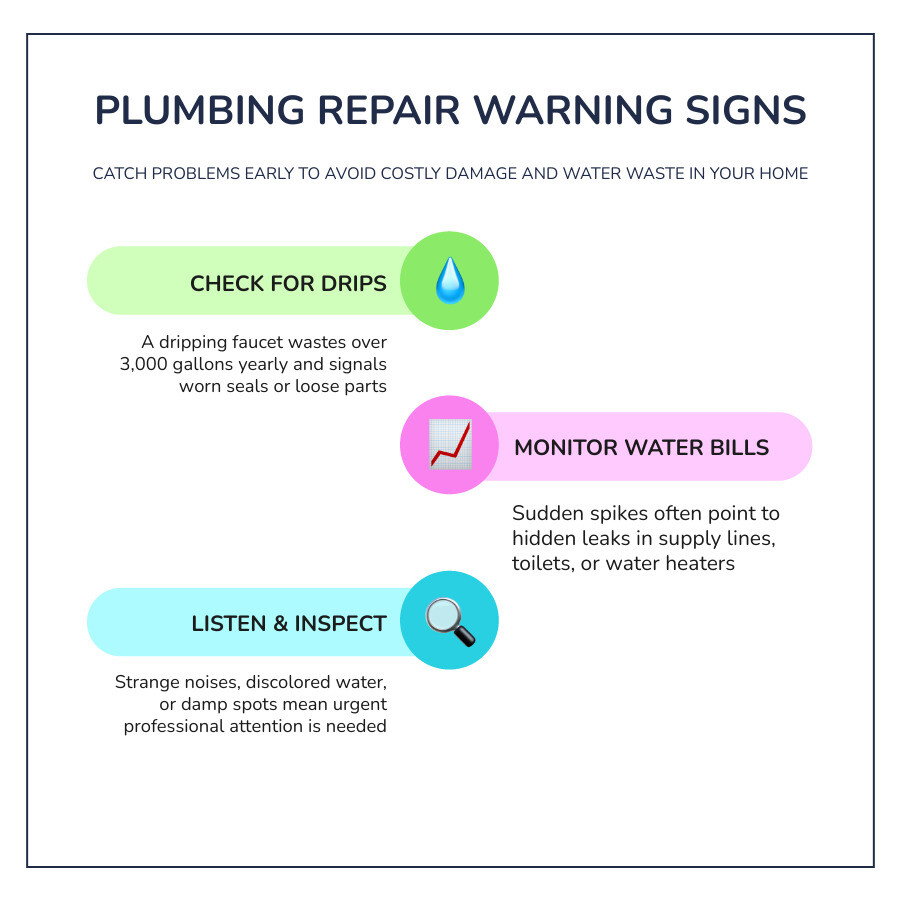
Many homeowners underestimate the impact of minor plumbing issues. A single faucet that drips just once per second can waste over 3,000 gallons of water annually. Similarly, a silently running toilet can waste up to 150 gallons of clean water every single day, quietly inflating your municipal utility bills. These minor annoyances are often early warning signs of systemic pressure imbalances, failing seals, or deteriorating pipes that require professional attention before they escalate into major emergencies.
For homeowners living in Anchorage, AK, the stakes are exceptionally high. The sub-zero winter temperatures put immense physical stress on residential piping networks. A minor, unresolved leak can quickly freeze, causing pipes to burst and leading to extensive flooding within a matter of hours. Understanding how to identify these issues early and knowing when to call for professional assistance is key to keeping your household safe and dry.
I’m Debra Blouin, General Manager of Drain Masters. With over two decades of hands-on experience overseeing plumbing repairs and service operations, I’ve seen firsthand how proactive maintenance and early intervention save homeowners significant time, money, and stress. In this comprehensive guide, we will explore the most common plumbing challenges, discuss the safety implications of DIY attempts, and explain how modern technology can resolve even the most complex sewer and drain issues.
1. Understanding Common Home Plumbing Repairs
Every residential plumbing system is a highly engineered network of supply lines, fixtures, valves, and drains. Because these components are constantly under pressure and exposed to water, wear and tear is inevitable. Understanding the root causes of everyday plumbing issues can help you catch them before they turn into major structural headaches.

The Impact of Dripping Faucets and Running Toilets
The most common issues homeowners face include dripping faucets, running toilets, slow-draining sinks, and sudden drops in water pressure. While a single dripping faucet might seem like a minor nuisance, it can waste thousands of gallons of water over the course of a year, quietly inflating your municipal utility bills. Similarly, a toilet that constantly runs is often caused by a faulty flapper valve or an improperly adjusted float arm, wasting up to 150 gallons of clean water every single day. These minor issues can quickly escalate, putting unnecessary stress on your entire waste system.
When water begins escaping from your pipes, finding the source immediately is critical. Unresolved leaks can quickly rot wooden framing, ruin drywall, and encourage toxic mold growth. Having a professional assist with identifying hidden leaks early on is the most reliable way to pinpoint hidden water escape routes behind walls or beneath floorboards. Professional leak detection utilizes advanced acoustic equipment and thermal imaging to locate the exact source of a leak without unnecessarily tearing into your home’s structure.
Addressing Low Water Pressure and Mineral Buildup
In addition to leaks, many older homes experience a gradual decrease in water flow. If your showers feel more like a light drizzle than a refreshing rinse, you may be dealing with mineral buildup in your fixtures or a deteriorating pressure regulator. Over time, hard water minerals like calcium and magnesium accumulate inside pipes and showerheads, restricting flow. Investing in professional assistance for restoring proper water flow can restore your system to its optimal performance and protect your appliances from premature wear. A licensed technician can diagnose whether the issue is localized to a single fixture or points to a larger problem with your main pressure regulator.
Identifying Signs You Need Water Line and Plumbing Repairs
Your main water line is the unsung hero of your home, delivering fresh, clean water to every tap. Because these lines are buried deep underground, identifying a problem requires paying close attention to secondary warning signs. Soil shifting, corrosion, and invasive tree roots can all crack or crush underground pipes over time.
If you notice unexplained damp spots on your lawn, a sudden and dramatic increase in your monthly water bill, or discolored water flowing from your faucets, your main line may be compromised. When these issues arise, addressing issues with your main water line is essential to prevent water from undermining your home’s foundation or completely cutting off your water supply. Professional plumbers use specialized diagnostic tools to locate the exact point of failure, minimizing excavation and restoring your water service quickly.
Troubleshooting Water Heater and Plumbing Repairs
No one enjoys a sudden blast of freezing water in the middle of a warm shower. Water heaters are hard-working appliances that require regular upkeep to function efficiently. Over time, dissolved minerals in the water supply settle to the bottom of the tank, creating a thick layer of sediment. This sediment acts as a barrier between the burner and the water, forcing the system to work harder, run longer, and eventually overheat.
Common signs that your water heater is struggling include:
- Cold or lukewarm showers during peak usage times
- Strange popping, rumbling, or banging noises coming from the tank
- Water pooling around the base of the appliance
- Rusty or metallic-tasting hot water
If you notice any of these warning signs, it is time to call in the experts. Proactively getting your water heater serviced can extend the lifespan of your unit, improve your home’s energy efficiency, and prevent catastrophic tank failures that could flood your utility room. Regular maintenance, such as flushing the tank annually to remove sediment, is a cost-effective way to avoid premature replacement.
2. DIY vs. Professional Drain and Sewer Solutions
When faced with a clogged sink or a slow tub, many homeowners naturally reach for a quick DIY fix. While a simple hand plunger can occasionally clear minor clogs near the surface, relying on chemical drain cleaners is a dangerous mistake. These harsh liquid chemicals generate intense chemical reactions to dissolve organic matter, which can warp plastic pipes, corrode older metal lines, and cause severe chemical burns if they splash back.
Advanced Hydro Jetting vs. Traditional Snaking
For stubborn blockages, professional tools are required. Standard drain snaking can clear out immediate blockages, but for a comprehensive clean, hydro jetting is the gold standard. Hydro jetting uses highly pressurized water to scrub the entire interior of the pipe, removing grease, scale, and debris. This process not only clears the current clog but also helps prevent future blockages from forming.
Understanding the distinct benefits of professional drain repair and why it is best to consider hiring a professional plumber for drain issues rather than attempting risky DIY methods will help you protect your plumbing system from accidental damage. Recognizing the early signs your drain needs repair allows you to schedule maintenance before a minor slow drain escalates into a complete sewage backup.
Safety First: The Risks of DIY Plumbing
While minor tasks like replacing a showerhead or installing a new faucet aerator are generally safe for handy homeowners, more complex plumbing tasks carry significant risks. Working with pressurized water lines, gas-powered water heaters, and underground sewer systems requires specialized training and equipment.
Attempting to repair these systems without the proper expertise can lead to:
- Severe Water Damage: A minor mistake on a pressurized line can cause immediate flooding, destroying drywall, flooring, and electrical systems.
- Health Hazards: Exposure to raw sewage during drain or sewer repairs can expose your family to harmful bacteria, viruses, and toxic gases.
- Personal Injury: Working with high-pressure hydro jetters, heavy drain snakes, or soldering torches poses a direct risk of physical injury, burns, or electrical shocks.
Because of these inherent dangers, safety must always be your top priority. If you encounter safety concerns, require specialized tools, or feel unsure about performing any task, always contact a licensed professional to handle the job safely and effectively.
Trenchless Sewer Technology and Pipe Lining
In the past, repairing a broken sewer line meant bringing heavy excavating equipment into your yard, digging up your beautiful landscaping, and tearing up driveways. Fortunately, modern plumbing technology has introduced trenchless pipe restoration methods that eliminate the need for destructive digging.
Cured-in-Place Pipe (CIPP) lining is an innovative method where a flexible, resin-saturated liner is inserted directly into the damaged pipe. Once positioned, the liner is inflated and cured, creating a brand-new, jointless pipe inside the old one. Learning how trenchless pipe repair works can help you make informed decisions when your underground lines fail. By exploring trenchless sewer line repair options, you can save time, preserve your property, and secure a durable solution that can last for decades.
Deciding to Repair vs. Replace Sewer Lines
When dealing with sewer line issues, homeowners must often decide whether a localized repair is sufficient or if a complete system replacement is necessary. This decision depends heavily on the age of the pipes, the extent of structural damage, and the presence of invasive tree roots.
To help evaluate your options, consider the following comparison:
| Factor | Repair (Lining) | Replacement |
|---|---|---|
| Pipe Age | Ideal for structurally sound pipes with localized wear | Best for extremely old, collapsed, or decaying pipes |
| Damage Type | Cracks, minor root intrusion, and pinhole leaks | Structural collapse, severe bellies, or extensive corrosion |
| Property Impact | Minimal disruption to landscaping and driveways | Requires trenching if trenchless options are not viable |
| Long-Term Value | Extends the life of existing pipes efficiently | Completely resets the lifespan of your sewer system |
Consulting a professional will help you understand whether to choose sewer line repair vs replacement based on your specific situation. For homes with minor structural damage, comparing drain pipe lining vs replacement will often reveal that lining is the more cost-effective choice. Additionally, understanding why CIPP lining in older homes is highly recommended can save historic properties from unnecessary excavation and structural damage.
3. Emergency Situations and Winter Plumbing Challenges
Plumbing emergencies can strike at any time, but winter introduces a unique set of hazards. In cold climates like Anchorage, AK, freezing temperatures present a constant threat to residential water systems. When water freezes inside a pipe, it expands, creating immense pressure that can easily split copper, PEX, or steel lines.
During the winter months, emergency service calls can increase by up to 40% due to frozen or clogged lines. If you turn on a faucet during a cold snap and only receive a few drops of water, your pipes may be frozen. Taking immediate action is critical to prevent the pipe from bursting and causing extensive water damage to your home.
Step-by-Step Emergency Shut-Off Protocol
If a pipe does burst, acting quickly is vital to minimize water damage. Every adult in your household should know the exact location of the main water shutoff valve and how to turn it off completely. Taking immediate action during a leak can prevent catastrophic damage to your home’s structure and personal belongings. Follow these steps in an emergency:
- Locate your main water shutoff valve, typically found in the basement, crawlspace, or near the water meter.
- Turn the valve clockwise to shut off the water supply completely.
- Open the lowest faucets in your home to drain any remaining water from the pipes.
- Contact a licensed plumber immediately to assess and repair the damage.
To learn more about residential water conservation, leak prevention, and home protection, you can explore the resources provided by the EPA WaterSense program, which offers valuable tips for identifying and resolving household leaks.
Preventing Frozen Pipes in Cold Climates
Prevention is always the best defense against winter plumbing disasters. Homeowners in cold regions should take proactive steps before the freezing temperatures arrive. Insulate pipes in unheated areas of your home, such as crawlspaces, attics, and garages. During extreme cold snaps, allow a slow drip of water to flow from faucets connected to exposed pipes, as moving water is much less likely to freeze. Additionally, keep cabinet doors open under sinks to allow warm air from your home to circulate around the plumbing.
If you suspect your pipes are frozen, never attempt to thaw them using an open flame or high-heat source, as this can damage the pipes or pose a serious fire hazard. Instead, turn off your main water valve and contact a licensed professional to safely resolve the issue.
Frequently Asked Questions about Plumbing Repairs
What are the most common plumbing repair issues homeowners face?
The most common plumbing repair issues include dripping faucets, running toilets, slow-draining sinks, clogged sewer lines, low water pressure, and failing water heaters. In cold climates, frozen and burst pipes are also frequent and urgent issues during the winter season.
How can I tell if a plumbing problem requires professional repair versus a DIY fix?
Minor issues like clearing a basic sink clog with a plunger or replacing a worn-out faucet aerator can often be completed as DIY projects. However, complex tasks involving hidden leaks, sewer line backups, main water line issues, water heater malfunctions, or frozen pipes require specialized tools and the expertise of a licensed plumber to prevent accidental damage.
What signs indicate I need emergency plumbing repair services?
You should seek emergency plumbing assistance if you experience a burst pipe, severe flooding, a complete loss of water, water backing up from your sewer drains, or a leaking water heater tank. These situations can cause rapid structural damage or pose health and safety risks if not addressed immediately.
How do plumbing repair costs vary by issue type?
Plumbing repair costs vary depending on several factors, including the complexity of the issue, the materials required, and the location of the problem. Simple fixture repairs or drain cleanings are generally straightforward, while underground water line repairs, sewer replacements, and emergency winter services tend to require more extensive labor and specialized equipment.
What should you expect during a professional plumbing repair visit?
During a professional visit, a technician will inspect the affected area, diagnose the root cause of the issue, and explain the available repair options. Once you approve the work, they will perform the repair using specialized tools, test the system to ensure proper function, and clean up the work area before leaving.
How can regular maintenance help prevent major plumbing repairs?
Routine maintenance, such as flushing your water heater annually, checking under sinks for moisture, using drain strainers, and scheduling professional sewer inspections, helps identify minor issues before they escalate. Consistent upkeep extends the lifespan of your fixtures and prevents costly emergency repairs.
What plumbing repair services are typically offered by local contractors?
Local plumbing contractors typically offer a wide range of services, including leak detection, drain cleaning, water heater repair and installation, water line repairs, toilet and faucet replacement, sewer video inspections, and trenchless pipe lining.
How do you choose a reliable, licensed plumbing repair company?
To choose a reliable plumbing company, look for a licensed and insured contractor with positive customer reviews and a proven track record in your local area. A reputable company should also provide upfront pricing, clear explanations of the required work, and solid workmanship warranties on their services.
What are the benefits of addressing plumbing issues early rather than delaying repairs?
Addressing plumbing issues early prevents minor leaks from causing extensive water damage, wood rot, and mold growth. Taking prompt action keeps your utility bills low, maintains proper water pressure, and prevents repair costs from rising significantly once structural damage occurs.
Are there financing or discount options commonly available for plumbing repairs?
Many professional plumbing companies offer financing options, flexible payment plans, or seasonal discounts to help make unexpected emergency repairs more manageable. Homeowners should ask about available payment options and promotions when scheduling their service call.
Conclusion
Plumbing systems are essential to the comfort, safety, and functionality of your home. From resolving minor faucet drips to performing advanced trenchless sewer restorations, taking prompt action is the best way to protect your property and avoid expensive water damage.
Whether you need fast leak detection, seasonal maintenance, or emergency winter services, the team at Drain Masters is ready to help. As a family-owned business in Anchorage, AK, with over 20 years of experience, we complete more than 4,000 jobs annually using advanced tools and transparent pricing. You can count on our licensed technicians to get the job done right. Contact Drain Masters today to schedule professional plumbing repairs and keep your home running smoothly.