
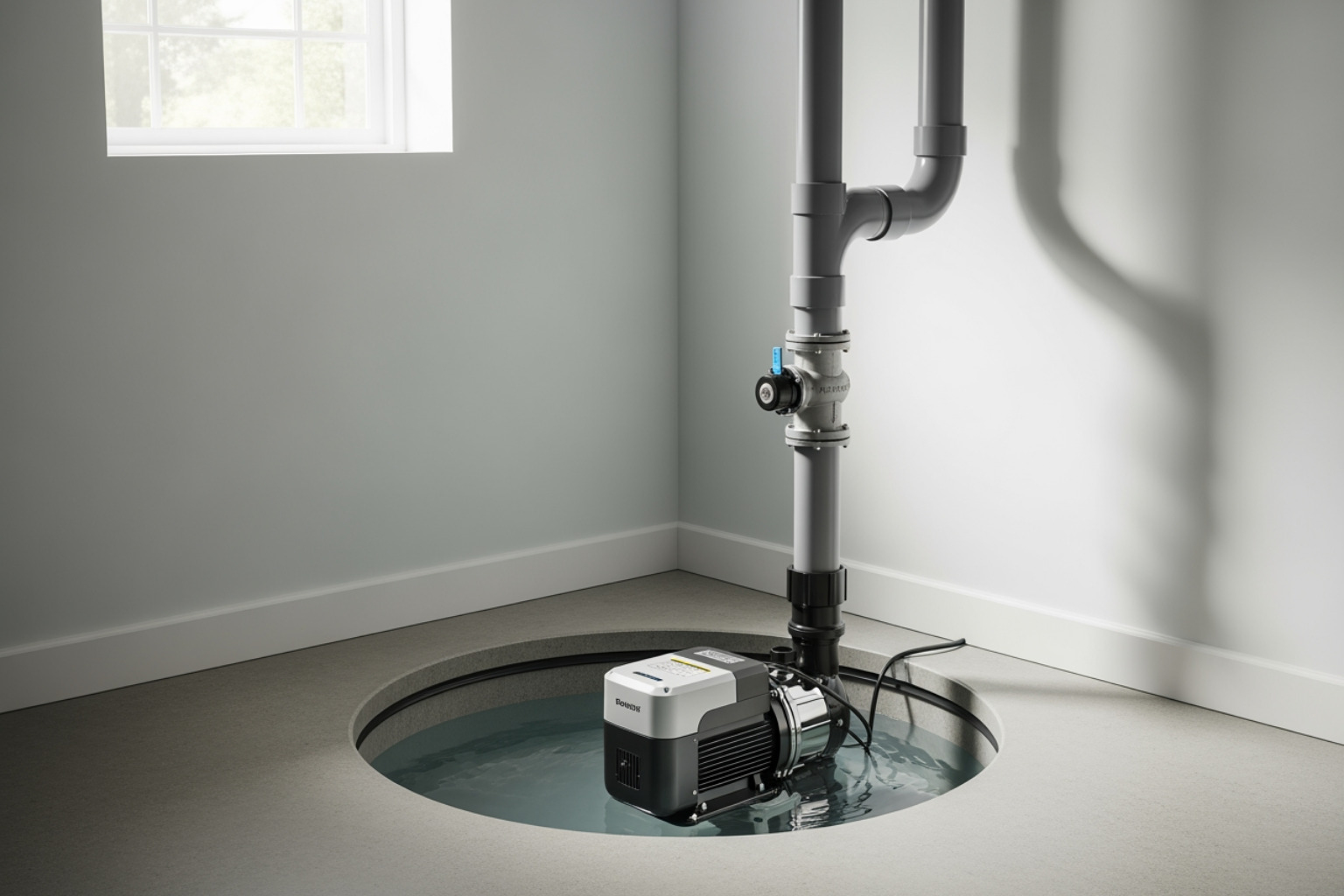
Why Sump Pump Repair Could Save Your Home from Costly Water Damage
Sump pump repair is often the fastest way to protect your basement from flooding and water damage. If your pump has stopped working, here is a quick overview of what to do:
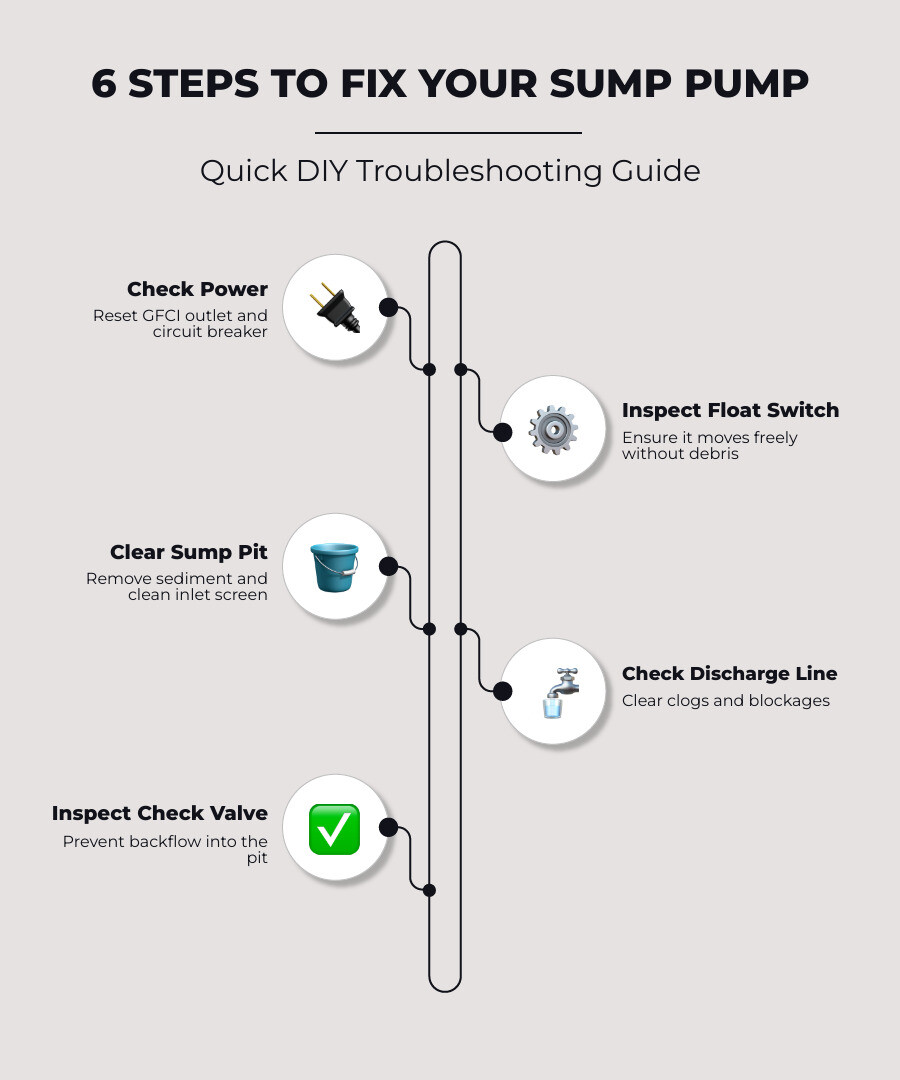
- Check the power: Reset the GFCI outlet and circuit breaker.
- Inspect the float switch: Make sure it moves freely and is not stuck.
- Clear the sump pit: Remove debris, sediment, and anything blocking the inlet screen.
- Check the discharge line: Look for clogs or blockages preventing water from draining out.
- Inspect the check valve: Make sure water is not flowing back into the pit.
- Test the system: Pour water into the pit and confirm the pump activates and drains properly.
If any of these steps reveal a bigger problem, it may be time to call a professional.
Nearly 60% of homes experience basement moisture issues, and a failing sump pump is often the reason a small problem becomes a very expensive one. Water damage can destroy flooring, walls, and personal belongings in hours. A sump pump that grinds, cycles constantly, or simply does not turn on is a warning you should not ignore.
The good news is that not every problem requires a full replacement. Many issues come down to a stuck float switch, a clogged discharge line, or a tripped breaker. With the right steps, some of these fixes are well within reach for a handy homeowner.
That said, some repairs do require a professional, especially when motors, electrical components, or structural drainage issues are involved.
I’m Debra Blouin, General Manager of Drain Masters, and with over two decades of hands-on experience in the plumbing industry, I have seen how timely sump pump repair can make the difference between a dry basement and extensive, costly water damage. This guide walks you through exactly what to check, what to fix, and when to call for help.
Understanding Your Sump Pump System
Before diving into repairs, it is incredibly helpful to understand how your system operates. A sump pump is designed to collect groundwater that accumulates around your foundation and safely pump it away from your home. This process relies on several interconnected components working in perfect harmony.
When groundwater levels rise, water naturally channels into a basin, also known as a sump pit, through drainage tiles. According to the U.S. Environmental Protection Agency, managing excess moisture is key to preventing indoor mold growth. Once the water inside the pit reaches a specific height, the pump activates and pushes the water through a series of pipes to a safe discharge zone outside. Understanding the specific type of system you have is the first step toward successful troubleshooting. If you want to learn more about these setups, you can explore our professional sump pump services to see how we install and maintain them.
Submersible vs Pedestal Sump Pumps
There are two primary styles of residential sump pumps: submersible pumps and pedestal pumps. Each has distinct mechanical differences that affect how we approach repairs and maintenance.
- Submersible Sump Pumps: These units are designed to be completely submerged in water. The motor is sealed inside a waterproof housing and sits at the bottom of the sump pit. Submersible pumps are generally quieter because the surrounding water muffles the motor noise. They are also safer if you have children or pets, as everything is hidden beneath a basin lid. However, because they sit in the muck at the bottom of the pit, they are more prone to sediment buildup and can be slightly harder to access for quick repairs.
- Pedestal Sump Pumps: A pedestal pump features a motor that sits on a shaft well above the sump pit, keeping it completely dry. Only the impeller and intake screen sit at the bottom of the basin. These systems are highly accessible, making routine repairs and switch adjustments straightforward. On the downside, they are much louder during operation and take up more physical space in your basement or crawl space.
When it comes to lifespan, pedestal pumps often win the longevity battle, sometimes lasting up to 20 or even 30 years because the electrical motor never gets wet. Submersible models typically last between 7 and 10 years before the motor seals degrade. To learn more about how these systems are integrated into regional foundation designs, local soil conditions must be carefully evaluated to determine the best pump selection for your home.
Key Components and Their Roles
To effectively troubleshoot your system, you need to know the players on the field. Here are the three most critical components of any residential sump pump system:
- The Float Switch: This is the mechanical brain of the system. As water rises in the pit, a buoyant float rises with it. Once the float reaches a predetermined level, it tilts or lifts a metal rod, completing the electrical circuit and turning the pump on. When the water level falls, the float drops, breaking the circuit and turning the pump off.
- The Check Valve: Installed in the vertical discharge pipe directly above the pump, this one-way valve is critical. It allows water to flow upward and out of the basement, but prevents it from rushing back down into the pit once the pump turns off. Without a working check valve, water would constantly drain back into the basin, causing the pump to cycle repeatedly and burn out prematurely.
- The Discharge Line: This is the pipe routing system that carries the pumped water away from your home. To prevent water from seeping right back down into your foundation, the discharge line should guide water several feet away, ideally to a designated drainage area or storm sewer, depending on local municipal guidelines.
Signs You Need Sump Pump Repair
Sump pumps rarely fail without dropping a few hints first. Recognizing these red flags early can save you from a major headache during the next heavy rainfall or spring thaw.
If you notice any of the following signs, your system is likely crying out for professional attention:
- Unusual Noises: If your pump sounds like a blender full of rocks, you likely have a damaged or jammed impeller. Rattling or grinding noises can also point to worn-out motor bearings.
- Continuous Running: A pump that runs non-stop for hours on end is a major red flag. If a pump runs continuously for more than 22 hours, it is at extreme risk of total motor failure. This is often caused by a stuck float switch or a failed check valve.
- Frequent Cycling: If your pump turns on and off every few seconds, it is short-cycling. This can be caused by an incorrectly adjusted float switch, a broken check valve, or a basin that is simply too small for the volume of water entering it.
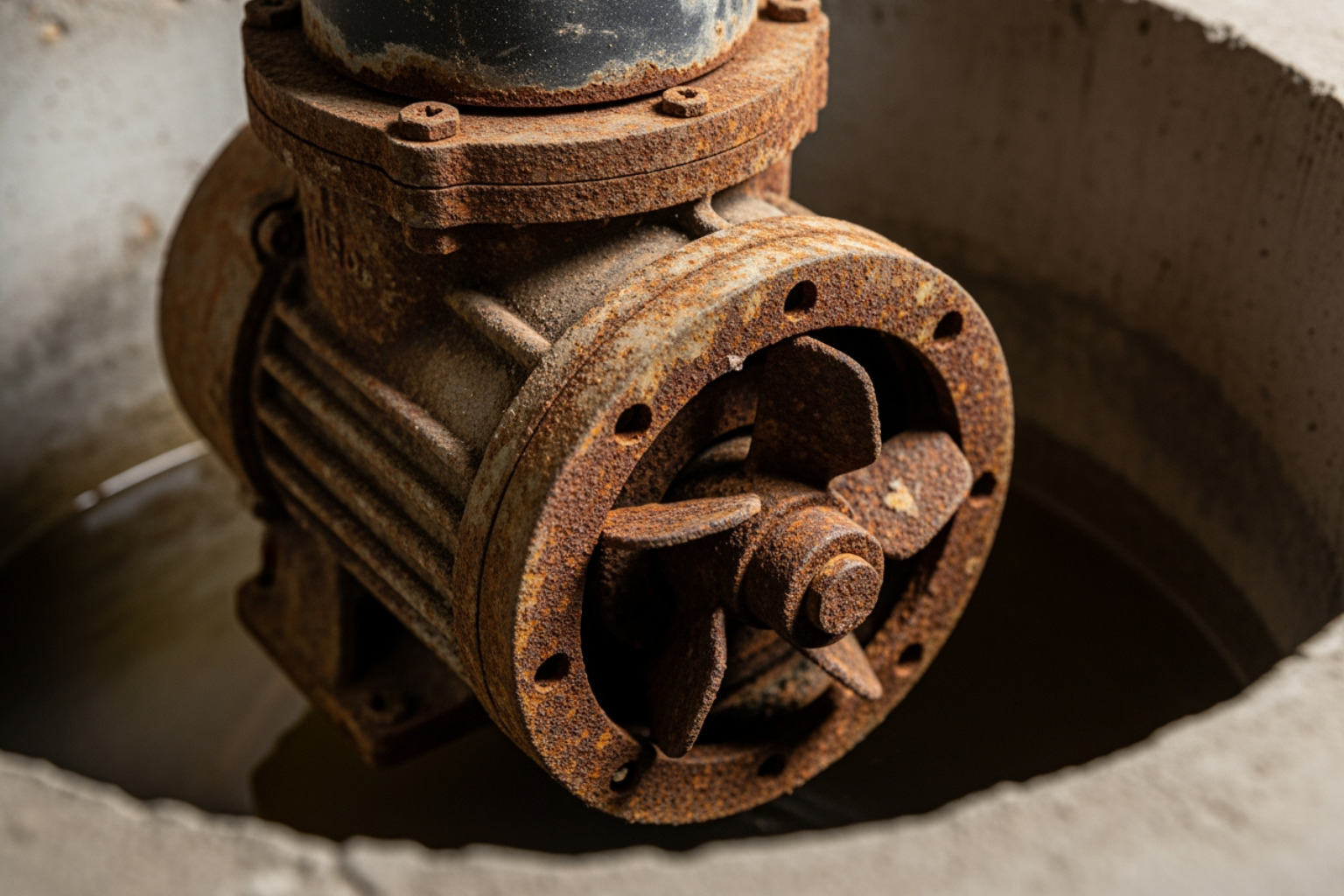
- Visible Rust or Corrosion: Heavy rust on the pump housing or electrical connections can restrict mechanical movement and lead to electrical shorts.
- Water Pooling in the Basement: If you notice damp spots, musty odors, or pooling water around your sump pit, your pump is either overwhelmed or failing to activate entirely. This constitutes a plumbing emergency. You can read more about handling urgent plumbing issues in our comprehensive guide.
When to Choose Sump Pump Repair Over Replacement
When your pump starts acting up, you do not always need to purchase a brand-new unit. Choosing to repair your existing pump can be highly cost-effective if the system is relatively new and the issue is isolated.
As a general rule of thumb, if your sump pump is under seven years old and the problem is a simple mechanical part like a failed float switch or a cracked check valve, a repair is almost always the smarter, more economical choice. These components are easily replaced without disturbing the main pump motor.
On the other hand, if the motor itself has seized, if the housing is heavily corroded, or if the unit is over a decade old, investing in a replacement is usually the safer long-term decision. For more information on professional installation standards, consulting with a licensed plumber ensures your system meets local building codes and operates at peak efficiency.
How to Fix a Sump Pump in 6 Simple Steps
If you are comfortable working around water and electricity, you can troubleshoot and resolve many common pump issues yourself. Always remember to prioritize safety. Water and electricity are a dangerous combination, so make sure your hands are completely dry and you are wearing rubber-soled shoes before touching any electrical components.
If you want to keep your entire home plumbing system in peak condition, regular routine plumbing maintenance is the best way to prevent unexpected breakdowns. Let us walk through the six steps to diagnose and repair your system.
Step 1: Check the Power Supply and GFCI Outlets
Before pulling the pump out of the pit, check the simplest solution first: is it getting power? Sump pumps draw a significant amount of electricity, which can easily trip a breaker.
- Locate the outlet your sump pump is plugged into. It should be a Ground Fault Circuit Interrupter (GFCI) outlet.
- Check if the reset button on the GFCI outlet has popped out. If it has, press it back in.
- If the outlet still does not have power, head over to your main electrical panel and check for a tripped circuit breaker. Reset it if necessary.
- Inspect the pump’s power cord for any visible signs of damage, fraying, or chew marks from pests. If the cord is damaged, the pump will need professional repair or replacement.
Step 2: Inspect and Clean the Float Switch
The float switch is the most common point of failure for residential sump pumps. Because it moves up and down constantly, it can easily get stuck or coated in grime.
- Peer into the sump pit and locate the float. It is usually a plastic bulb or cylinder attached to the side of the pump.
- Gently reach in and wiggle the float up and down. Does it move freely, or is it catching on the side of the basin? Often, vibrations can cause the pump to shift, pinning the float against the wall of the pit.
- If the float is dirty, wipe it down with a damp cloth. Debris, grease, and soap scum can weigh the float down, preventing it from rising.
- If the float moves freely but the pump still does not turn on when you lift it manually, the switch itself may have failed internally and will need to be replaced.
Step 3: Clear the Sump Pit and Inlet Screen
A dirty sump pit is a recipe for a clogged pump. Over time, dirt, gravel, and small debris can wash into the basin, eventually blocking the water intake.
- Disconnect the pump from the power source before reaching into the pit.
- Scoop out any mud, leaves, or stones that have accumulated at the bottom of the basin.
- Locate the inlet screen or grate on the very bottom of the pump housing. This screen prevents larger debris from entering the impeller.
- Use a stiff brush or a gloved hand to clear away any debris, hair, or lint clinging to the screen. If the screen is completely clogged, the pump will run but will not be able to pull water out of the pit.
Step 4: Test and Clear the Discharge Line
If your pump is humming and running but the water level in the pit is not dropping, you likely have a blockage in your discharge line. In cold northern climates, this line can easily freeze solid during winter.
- Go outside and locate the exit point of your discharge pipe. Make sure it is clear of snow, ice, leaves, and dirt.
- If the line is frozen, you may need to use a heat tape or carefully pour warm water over the exposed outdoor pipe to thaw the ice block.
- If the line is clogged with debris, you can use a plumbing snake or a high-pressure garden hose to clear the obstruction.
- For property owners dealing with harsh winters, learning how to go about protecting your pipes from freezing is essential for keeping your entire home drainage network running smoothly when the temperature drops.
Step 5: Inspect the Check Valve
A faulty check valve will cause your pump to work twice as hard as it needs to, leading to early motor failure.
- Locate the check valve, which is the plastic collar or sleeve coupling the discharge pipe together just above the pump.
- Watch the valve while the pump runs. When the pump shuts off, do you hear a loud, metallic clunk? That is usually the sound of a working valve closing.
- If you hear water rushing backward into the pit immediately after the pump stops, the valve is failing to seal.
- If you need to replace the valve, make sure the flow arrow on the new valve points upward, in the direction of the water flow. Installing it upside down will completely block water from leaving your basement.
Step 6: Test the System Under Load
Now that you have cleaned, cleared, and inspected the system, it is time to run a realistic operational test.
- Plug the pump back into the GFCI outlet.
- Grab a five-gallon bucket and fill it with water.
- Slowly pour the water directly into the sump pit. Watch the float switch carefully as the water level rises.
- The pump should activate automatically once the float reaches its trigger height. It should empty the pit within a few seconds and shut off cleanly without sputtering. Repeat this test twice to ensure consistent operation.
When to Put Down the Tools and Call a Professional
While basic maintenance can resolve minor issues, DIY repairs have their limits. You should always contact a licensed professional if safety concerns arise, if specialized diagnostic tools are required, or if you are dealing with complex plumbing, electrical, or structural drainage systems. If you are ever unsure about performing a task correctly, it is always safest to let an expert handle the job to prevent accidental water damage or electrical hazards.
Preparing Your Sump Pump for Storms and Power Outages
In places like Anchorage, AK, we experience dramatic seasonal shifts, from heavy spring thaws to intense autumn rainstorms. These weather events often come hand-in-hand with localized power outages. Because a standard sump pump runs on your home’s main electrical grid, a storm-induced power outage can leave your basement completely defenseless right when you need protection the most.
Installing a backup system is the single best way to ensure your basement stays dry, no matter what is happening with the weather outside.
The Importance of Backup Systems
There are two main types of backup systems you can install alongside your primary pump: battery backup pumps and water-powered backup pumps.
- Battery Backup Systems: These systems use a heavy-duty, marine-grade battery to power a secondary, dedicated pump if the main power goes out or if the primary pump fails. They are highly reliable and can run for several hours of continuous pumping. However, the batteries do have a limited lifespan and must be replaced every 2 to 3 years to ensure they hold a proper charge.
- Water-Powered Backup Systems: These ingenious systems do not use electricity or batteries at all. Instead, they use your home’s municipal water pressure to create a vacuum that sucks water out of the sump pit. As long as your municipal water is running, this backup will operate indefinitely. The catch is that they require a consistent municipal water supply and can use a significant amount of fresh water during operation, which can increase your water bill during an extended outage.
To help you decide which backup system is right for your home, we have put together a quick comparison table:
| Feature | Battery Backup Sump Pump | Water-Powered Backup Sump Pump |
|---|---|---|
| Power Source | 12V Marine Battery | Municipal Water Pressure |
| Run Time Limit | Limited by battery capacity (usually 5 to 7 hours) | Unlimited (as long as city water is running) |
| Maintenance Needs | Requires battery replacement every 2 to 3 years | Minimal maintenance required |
| Installation Complexity | Moderate DIY project | High (requires direct connection to water main) |
| Reliability during Outages | Excellent | Excellent (not suitable for private well systems) |
How to Choose a Professional for Sump Pump Repair
While minor maintenance tasks are great DIY projects, complex electrical issues, main line clogs, and full system replacements are best left to licensed professionals. Working with water and high-voltage electricity carries inherent safety risks, and an improperly installed pump can fail unexpectedly, leaving you with a flooded basement.
When choosing a plumbing professional, look for a team that is fully licensed, bonded, and insured. They should have deep local expertise, use advanced diagnostic tools, and offer upfront pricing so you are never surprised by hidden fees. Working with an experienced local technician ensures your system is sized correctly for your specific property and regional water table. If you want to understand why bringing in an expert is always worth the investment for major repairs, check out our guide on hiring a professional drain specialist to see why it is worth the investment.
Frequently Asked Questions
FAQ 1: How long does a typical sump pump last?
A standard residential sump pump typically lasts between 7 and 10 years. Submersible models tend to wear out faster because their motors are constantly submerged in water, whereas pedestal pumps can sometimes last longer because the motor sits dry above the basin. Regular maintenance, such as cleaning the pit and testing the float switch, can help maximize your pump’s operational lifespan.
FAQ 2: Why does my sump pump run continuously?
A sump pump that runs non-stop is usually dealing with a stuck float switch or a failed check valve. If the float switch gets pinned against the side of the basin or coated in heavy grime, it cannot drop down to shut the motor off. Alternatively, if your check valve is broken, water will constantly flow back into the pit after each cycle, forcing the pump to run repeatedly to keep up.
FAQ 3: Can I run my sump pump without a check valve?
While a sump pump will physically run without a check valve, it is highly discouraged. Without a check valve, all the water left in the vertical discharge pipe will rush back down into the sump pit every time the pump turns off. This causes the pump to turn back on almost immediately, leading to constant short-cycling that will quickly burn out the motor.
FAQ 4: How often should I test my sump pump?
You should test your sump pump at least once a month during the spring and summer seasons, and at least once every three months during drier periods. Testing is simple: slowly pour a bucket of water into the basin and verify that the pump activates, drains the water quickly, and shuts off cleanly.
FAQ 5: What is the difference between a battery backup and a water-powered backup?
A battery backup uses a rechargeable marine battery to run a secondary pump during power outages, but the battery must be replaced every 2 to 3 years. A water-powered backup uses your home’s municipal water pressure to create suction and pump water out, meaning it has an unlimited run time but requires a reliable city water connection to function.
FAQ 6: Why is my sump pump making loud grinding noises?
Loud grinding or rattling noises usually indicate that a foreign object, like a small stone or piece of debris, has bypassed the intake screen and is jammed in the impeller. It can also be a sign of worn-out motor bearings. If cleaning the impeller does not resolve the noise, the pump likely needs to be repaired or replaced by a professional.
FAQ 7: How do I prevent my sump pump discharge line from freezing?
To prevent your discharge line from freezing in cold climates, ensure the outdoor pipe slopes downward so water can drain out completely using gravity. You can also insulate the exposed outdoor section of the pipe or install a specialized freeze-resistant attachment near the foundation wall, which allows water to escape even if the main line is blocked with ice.
FAQ 8: What should I do if my basement floods during a power outage?
If your basement floods during an outage and you do not have a backup system, prioritize safety first. Never step into a flooded basement if the water has reached any electrical outlets or cords. If it is safe to do so, turn off your home’s main electrical breaker, use a wet-dry vacuum to remove water, and call an emergency plumber immediately to assist with temporary pumping.
FAQ 9: Is it safe to repair my own sump pump?
It is safe to perform basic maintenance like cleaning the pit, wiggling a stuck float switch, or clearing a clogged discharge line, provided you always unplug the pump from the electrical outlet first. However, you should never attempt to disassemble the sealed motor housing or splice electrical wires yourself, as this poses a severe risk of electrical shock.
FAQ 10: How do I choose the right size sump pump for my home?
Sump pump sizing depends on the horsepower of the motor, the volume of water entering your basin, and the height the pump must lift the water to reach the discharge point. Most standard homes require a 1/3 horsepower pump, but homes with high water tables or deep basements may need a 1/2 horsepower or larger unit to handle the load.
Conclusion
A reliable sump pump is your home’s primary defense against basement flooding, structural water damage, and toxic mold growth. While keeping an eye on your float switch and clearing out basin debris are excellent ways to stay ahead of potential issues, some plumbing repairs require advanced tools and professional training.
Whether you need fast sump pump repair, emergency plumbing assistance, or a complete system upgrade, the team at Drain Masters is ready to help. Schedule your professional plumbing service today to keep your home safe, dry, and fully protected.