
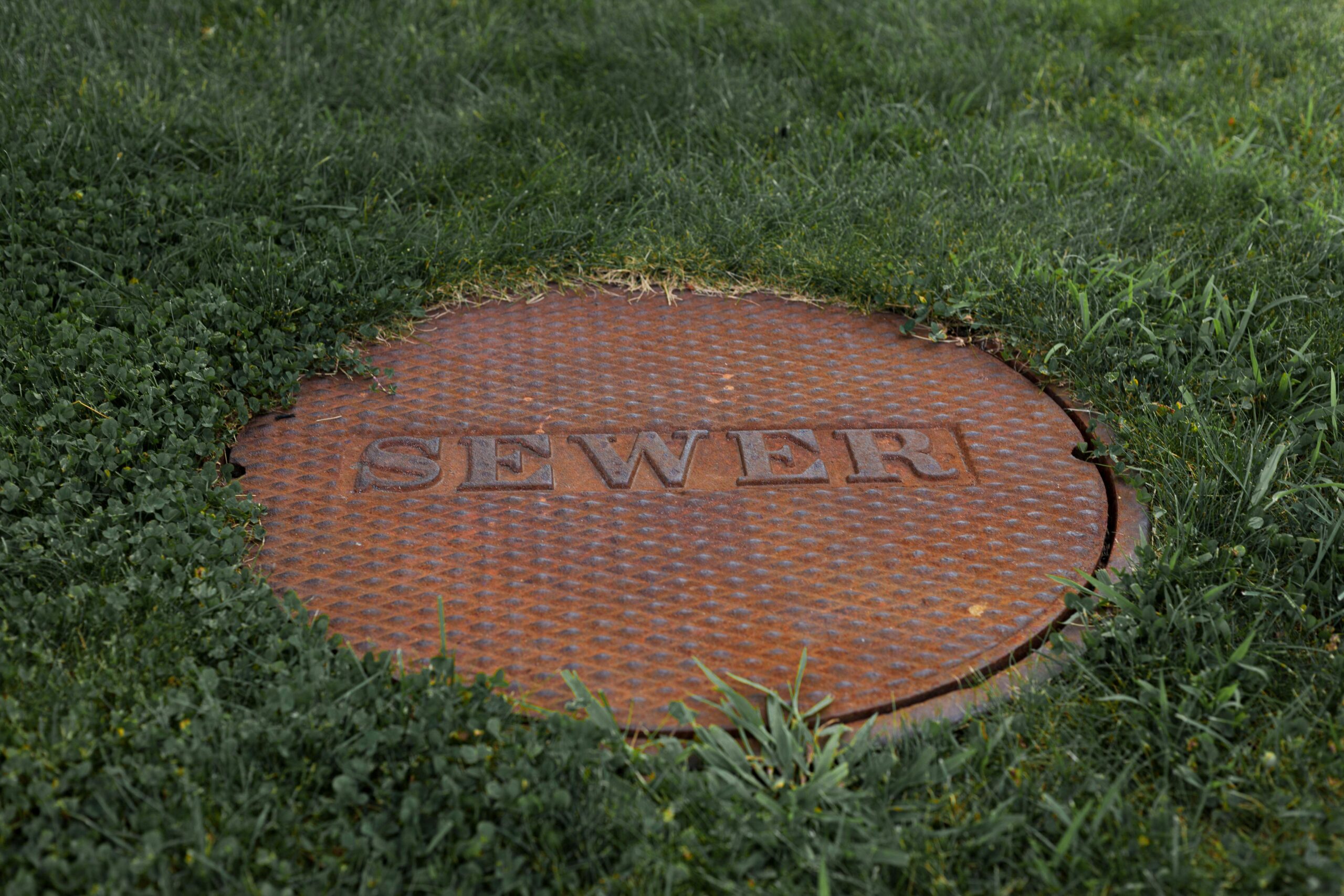
When Your Drains Stop Working, It Might Be More Than a Simple Clog
Clearing a clogged sewer line is something many Anchorage homeowners will face at some point, and knowing where to start can save you a lot of stress and money.
Here’s a quick overview of how to tackle it:
- Confirm it’s a main line issue – multiple drains backing up at once, gurgling toilets, or sewage odors are the key signs
- Stop using water – avoid running sinks, toilets, or appliances until the clog is cleared
- Locate your sewer cleanout – usually found in the basement, crawl space, or outside near the foundation
- Try snaking the line – use a sewer auger with a ¾-inch to 1-inch cable to break up the blockage
- Flush and test – run water through multiple fixtures to confirm the line is clear
- Call a professional if snaking fails, or if you suspect tree roots or pipe damage
A clog in a single sink or tub is usually a minor fix. But when multiple fixtures start backing up at the same time, or you notice sewage odors and soggy patches in your yard, you’re likely dealing with a blockage deeper in your main sewer line. Left untreated, it can escalate from a slow drain to a full sewage backup in your home.
The good news: many main line clogs can be cleared with the right tools and approach. This guide walks you through everything you need to know, from spotting the early warning signs to knowing when it’s time to call in a pro.
I’m Debra Blouin, General Manager of Drain Masters, and with over two decades in the plumbing and drain industry, I’ve seen how quickly a small sewer issue can turn into a costly emergency when clearing a clogged sewer line is delayed. Let’s make sure that doesn’t happen to you.
Identifying Signs and Causes of Sewer Blockages
In Anchorage, our plumbing systems go through a lot. Between the shifting soil and the deep freezes of winter, your main sewer line is under constant pressure. Recognizing the difference between a simple sink clog and a main line disaster is the first step in protecting your home.
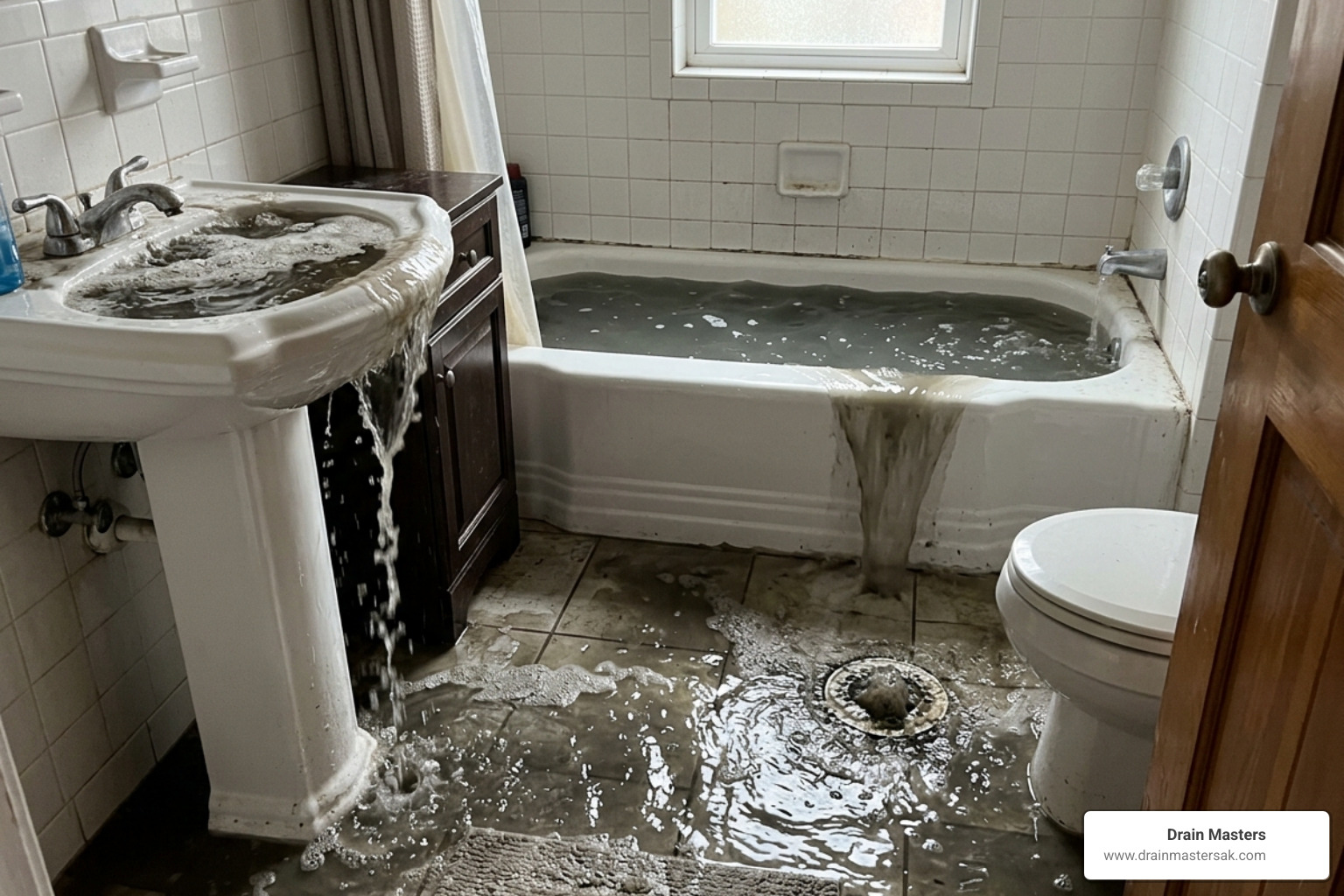
When a single fixture is slow, the problem is usually right there in the P-trap. However, when the main line is obstructed, the wastewater has nowhere to go. It will eventually back up into the lowest points of your home, such as basement floor drains or shower stalls.
If you find yourself in the middle of a plumbing crisis, knowing how to manage a clogged drain emergency can help you minimize property damage. Watch for these red flags:
- Multiple Backed-Up Drains: If your kitchen sink, toilet, and bathtub are all struggling at once, the issue is almost certainly the main line.
- Gurgling Sounds: Have you ever noticed your shower drain bubbling when you flush the toilet? That is air being forced back through the system because a clog is blocking the path.
- Sewage Odors: A distinct rotten egg smell near drains or in your yard is a sign that sewer gases are escaping.
- Lawn Changes: In April 2026, as the snow melts in Anchorage, keep an eye out for unusually green or soggy patches in your yard. This often indicates a leak or a major blockage in the buried pipe.
Common Causes of Main Line Obstructions
Understanding why your pipes are struggling is half the battle. While some clogs happen overnight, most are the result of years of buildup. There are several frequent reasons for drain blockages that we see daily in Alaska:
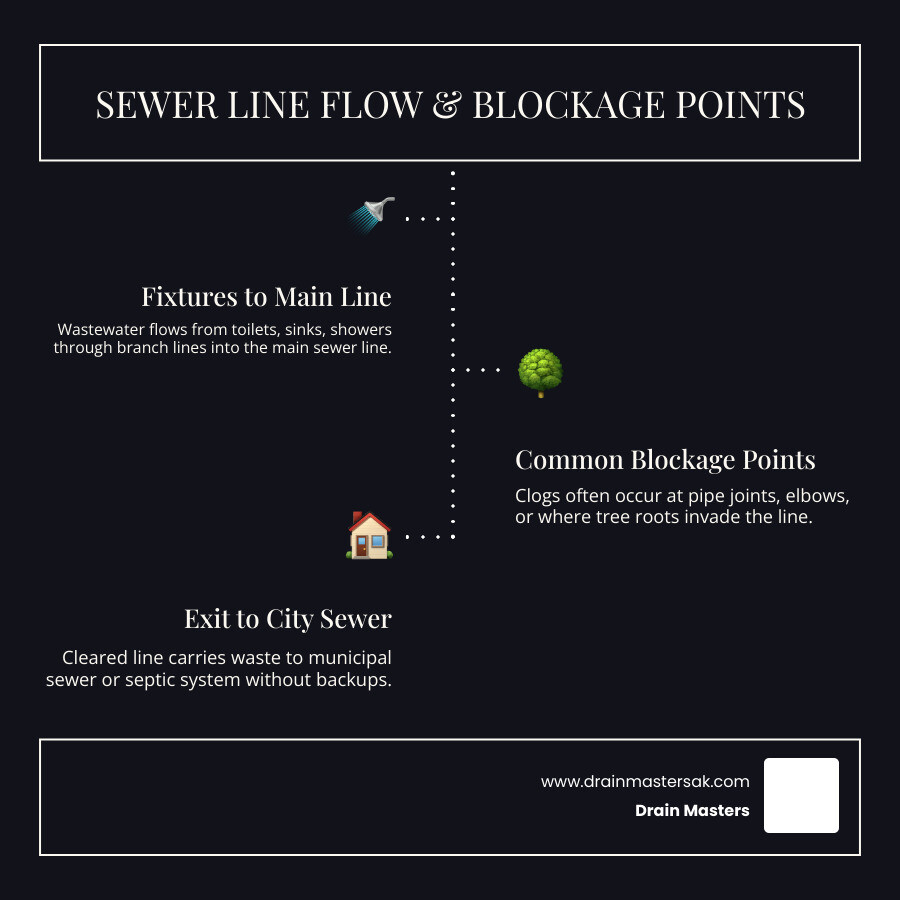
- Tree Roots: This is the leading cause of sewer issues in older Anchorage neighborhoods. Roots are drawn to the moisture and nutrients inside your pipes. They enter through tiny cracks or loose joints, especially in older clay or cast iron pipes, and grow into a thick “net” that catches waste.
- Grease and Fat: Pouring bacon grease or cooking oil down the kitchen sink is a recipe for disaster. As it cools, it hardens against the pipe walls, eventually narrowing the passage to a pinhole.
- Foreign Objects: From “flushable” wipes that don’t actually dissolve to kids’ toys and feminine hygiene products, anything other than toilet paper and human waste can easily snag in the line.
- Pipe Scale and Corrosion: Many homes built before the late 1970s use cast iron or clay pipes. Over time, these materials can corrode or develop scale buildup that creates a rough surface, making it easier for debris to get stuck.
- Pipe Bellies: Sometimes the ground beneath the pipe settles, causing a section of the line to sag. This creates a “belly” where standing water and solids collect, eventually forming a stubborn clog.
Clearing a Clogged Sewer Line: A Step-by-Step Guide
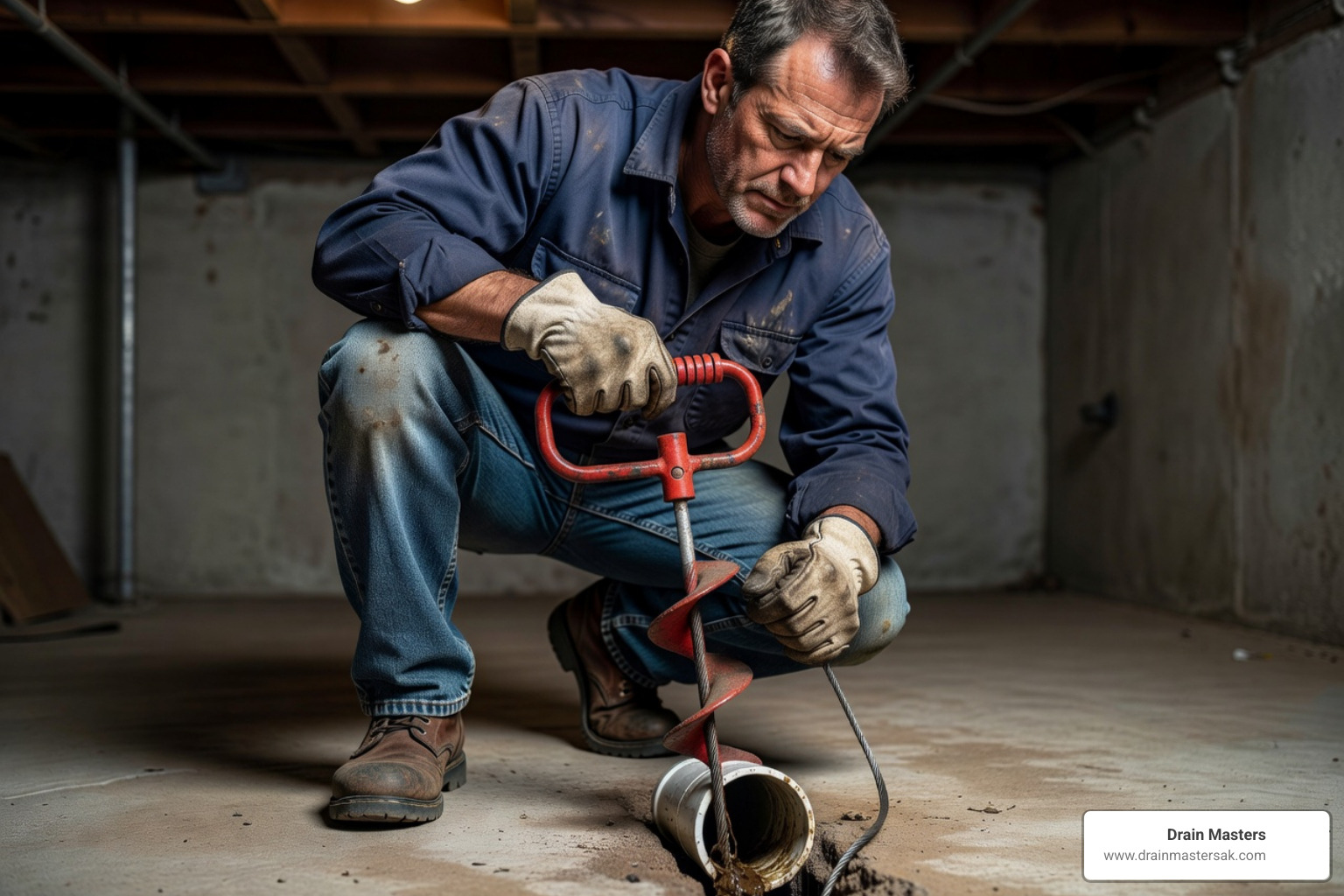
If you are a handy homeowner, you might want to attempt a DIY fix before calling in the cavalry. Clearing a clogged sewer line requires more heavy-duty equipment than a standard sink plunger, but it is a manageable project for those with the right tools.
Before you start, you can find a detailed walkthrough of the process to help you visualize the task.
Preparing for Clearing a Clogged Sewer Line
Preparation is everything when dealing with raw sewage. You don’t want to be halfway through the job and realize you’re missing a bucket or a pair of safety glasses.
First, gather your materials:
- A Professional-Grade Power Auger: For a 3- to 4-inch main line, you need a cable that is at least ¾ inch to 1 inch thick. A small sink snake won’t have the strength to push through a main line blockage.
- Pipe Wrench: To remove the cleanout cap.
- Heavy-Duty Work Gloves: Preferably leather or thick rubber to protect your hands from the spinning cable and bacteria.
- PPE: Safety glasses and a face mask are essential.
- Bucket and Rags: To catch any initial “spillover” when you open the cleanout.
It is also helpful to understand the mechanics of drain snakes so you know what the tool is actually doing inside your pipes.
Safety Tips for Clearing a Clogged Sewer Line
Working on a sewer line involves biohazards and mechanical risks. Follow these safety protocols to stay out of harm’s way:
- Stand to the Side: When you first loosen the cleanout plug, stand to one side. If the system is backed up, the pipe may be under pressure, and you don’t want to be in the “splash zone” when the cap comes off.
- Ventilation: Sewer gases can be toxic and flammable. Ensure the area (especially if you’re in a basement or crawl space) is well-ventilated.
- Watch the Cable: Never force the snake. If it hits a hard obstruction and you keep applying power, the cable can “kink” or whip back, causing serious injury to your hands or arms.
- Don’t Use Chemicals First: If you’ve already poured caustic drain cleaner down the line, do not attempt to snake it. Those chemicals can splash back onto your skin or into your eyes during the process.
For more advice on staying safe, check out these tips for fixing a blocked main line.
Step-by-Step Snaking Instructions
- Locate and Open the Cleanout: Find the 3- to 4-inch capped pipe. Use your wrench to slowly unscrew the cap. Have your bucket ready for any immediate backup.
- Feed the Cable: Insert the tip of the auger into the pipe and start the motor. Feed the cable slowly.
- Work the Clog: When you feel resistance, you’ve likely hit the clog. Move the cable back and forth gently to break it up. If you’re dealing with tree roots, the spinning blades on the end of the snake will need time to cut through the wood.
- Retrieve and Inspect: Pull the cable back. You will likely find debris (hair, wipes, or roots) caught on the tip. Clean it off and repeat the process until the cable passes through the area with no resistance.
- The Water Test: Once you think it’s clear, run a garden hose into the cleanout or have someone flush the toilets inside. You should see a clear, rapid flow of water.
Professional Solutions for Stubborn Clogs
Sometimes, a DIY snake just isn’t enough. If the clog is caused by heavy grease, mineral scale, or extensive root systems, you need professional-grade power. At Drain Masters, we use advanced technology to ensure the line isn’t just “cleared,” but actually “cleaned.”
| Method | Best For | Typical Cost (2026) |
|---|---|---|
| DIY Snaking | Minor soft clogs, hair | $30 – $300 (Tool rental/purchase) |
| Professional Snaking | Standard blockages | $200 – $500 |
| Hydro Jetting | Grease, sludge, roots | $350 – $600 |
| Camera Inspection | Diagnosing mystery issues | $200 – $400 |
| Pipe Replacement | Collapsed or broken lines | $3,000 – $7,000+ |
Why Choose Professional Sewer Main Clearing?
When you hire a professional for sewer main clearing, you aren’t just paying for someone to run a snake. You’re paying for a long-term solution.
One of our most effective tools is hydro jetting. Unlike a snake, which just pokes a hole through a clog, hydro jetting uses high-pressure water (up to 4,000 PSI) to scrub the entire interior of the pipe. This removes the “sludge” and grease that a snake leaves behind, making it much harder for a new clog to form.
Before we perform any major cleaning or repair, we always recommend a video camera inspection. Our high-tech cameras can travel up to 400 feet into your line, allowing us to see exactly what’s going on. This eliminates guesswork and prevents us from accidentally damaging a pipe that might already be fragile or collapsed.
Frequently Asked Questions
Can I use chemical drain cleaners on a main sewer line?
We strongly advise against it. While those jugs of liquid cleaner might work for a small hair clog in a bathroom sink, they are rarely effective on a main sewer line. The volume of water in a 4-inch pipe dilutes the chemical too much to be useful. More importantly, these chemicals are highly corrosive. They can soften PVC joints, eat through older metal pipes, and damage the beneficial bacteria in septic systems. For a safer alternative, enzyme-based cleaners can help maintain a clear line by slowly breaking down organic matter over time.
How do I handle tree roots in my pipes?
If roots have entered your pipes, they will continue to grow back unless the pipe is repaired. Mechanical removal using spinning blades (root cutting) is a great temporary fix. After cutting the roots, we often recommend a chemical root inhibitor to slow down future growth. However, if the roots have caused the pipe to crack or collapse, you may need to look into trenchless pipe lining or traditional replacement to solve the problem permanently.
How much does it cost to clear a sewer line in 2026?
As of April 2026, Anchorage homeowners can expect to save about 50-80% by attempting a DIY fix, with rental tools costing between $75 and $150. However, professional services are often more cost-effective in the long run because they prevent repeat issues. A standard professional snaking usually runs between $200 and $500, while hydro jetting is slightly more, ranging from $350 to $600. If the line is severely damaged, a full replacement can cost anywhere from $3,000 to $7,000 depending on the depth and length of the pipe.
Conclusion
Clearing a clogged sewer line is a messy job, but it is one of the most important maintenance tasks for your home. By catching the signs early, like gurgling toilets or slow drains, you can often resolve the issue with a simple snaking before it turns into a basement flood.
To keep your system flowing smoothly, remember to:
- Install drain strainers to catch hair and debris.
- Never pour grease or oils down the sink.
- Schedule a professional inspection every 2-3 years, especially if you have older pipes or large trees on your property.
At Drain Masters, we’ve completed over 4,000 jobs annually for families right here in Anchorage. We know the unique challenges our Alaskan climate brings to your plumbing. If you are facing a persistent backup, our team can provide expert sewer clearing, cleaning and repair to restore your home’s plumbing and give you peace of mind. Don’t wait for a small gurgle to become a major catastrophe, give us a call today.