
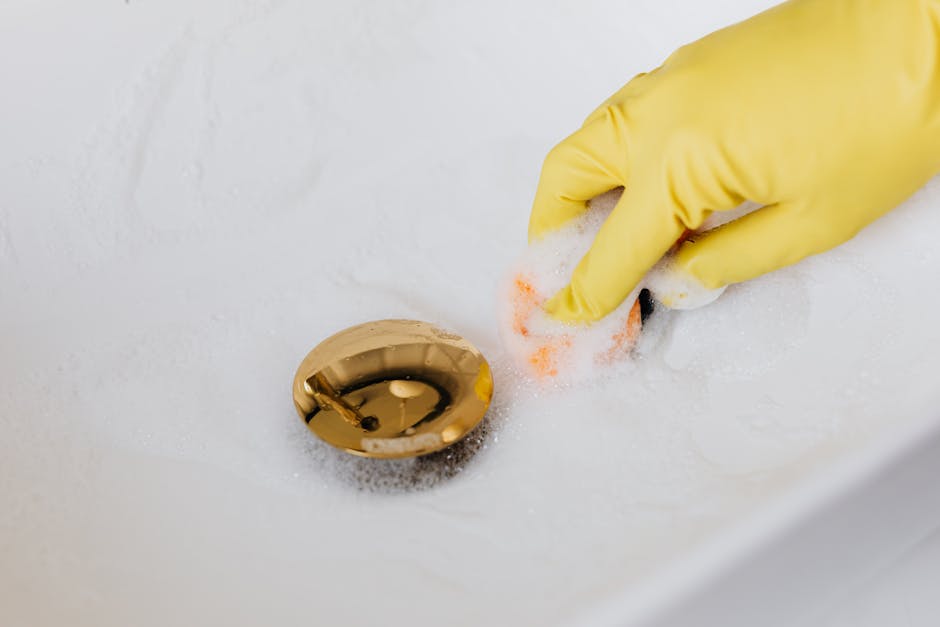
Identifying the Source and Safety Precautions
Before you grab the nearest tool, you need to play detective. Not all clogs are created equal, and the strategy for clearing stubborn drain clogs in a kitchen sink is vastly different from tackling a backed-up basement floor drain.
Fixture Clog vs. Main Line Blockage
If only one sink is acting up, the problem is likely local. However, if you flush the toilet and water bubbles up in the shower, you are dealing with a much larger issue.
| Symptom | Likely Location | Recommended Action |
|---|---|---|
| Single sink or tub drains slowly | Fixture or P-trap | DIY plunging or snaking |
| Multiple fixtures back up simultaneously | Main Sewer Line | Call a professional immediately |
| Gurgling noises from drains when using others | Branch or Main Line | Professional inspection required |
| Sewage smell coming from floor drains | Main Line / Sewer | High-pressure clearing |
The “usual suspects” behind these blockages vary by room. In the kitchen, it is almost always solidified grease and food scraps. In the bathroom, hair and soap scum create a “web” that catches debris. Understanding the most common reasons for backups can help you prevent them from happening again.
Safety First: Don’t Skip the PPE
Plumbing is messy, and when you are dealing with standing water, you are dealing with bacteria. Always wear:
- Waterproof Gloves: Protect your hands from grime and potential skin irritants.
- Safety Goggles: Essential when plunging or using snakes to prevent “splash back” into your eyes.
- Ventilation: If you have used any store-bought cleaners, ensure the room is well-ventilated to avoid inhaling fumes.
One critical warning: Never mix different chemical drain cleaners. Combining bleach-based products with acidic ones can create toxic chlorine gas. If you have already poured a chemical down the drain and it didn’t work, do not try a different one. At this point, you must also be careful when identifying signs your drain needs repair, as old, corroded pipes can be further damaged by harsh chemicals.
Essential Tools and DIY Methods for Clearing Stubborn Drain Clogs
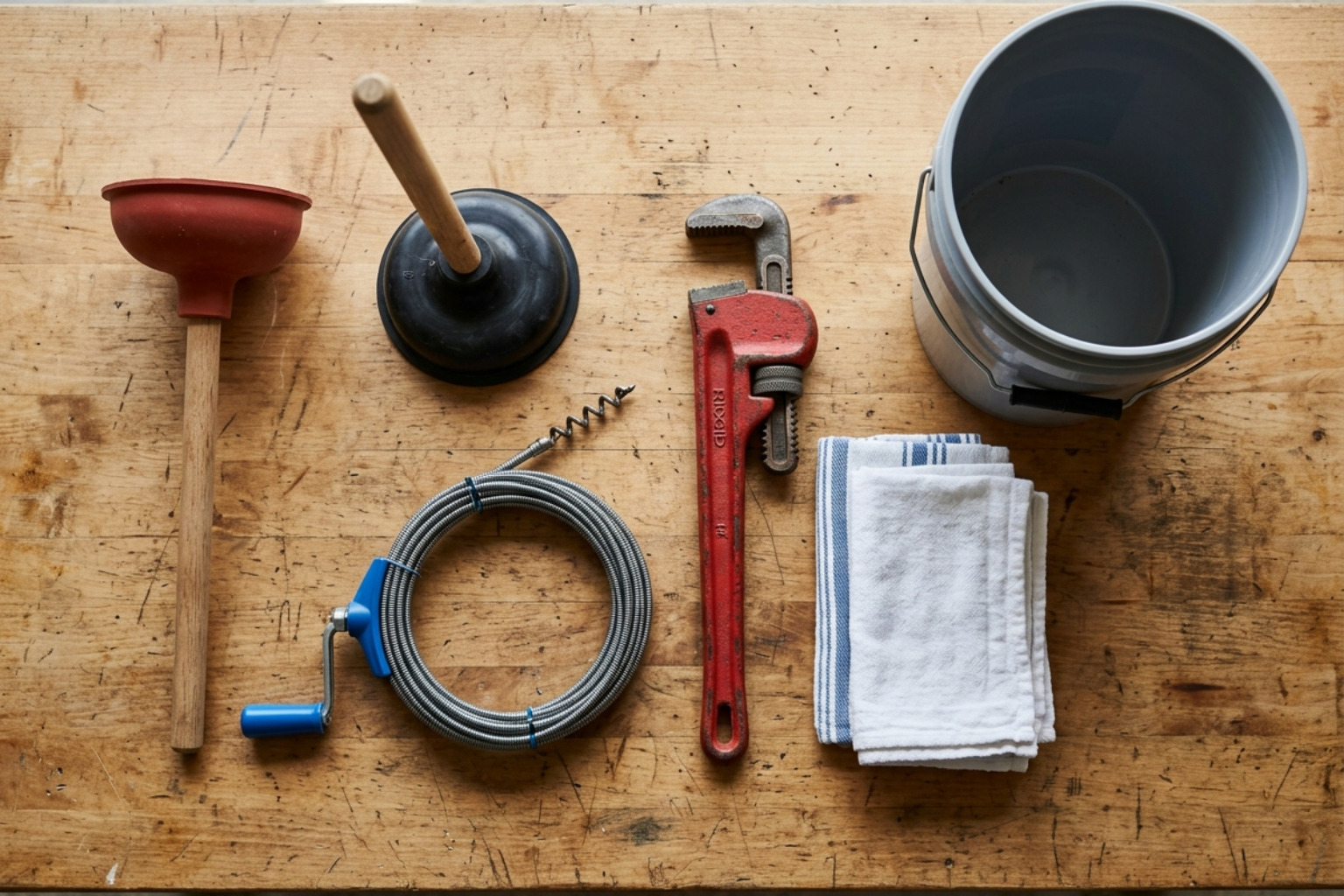
To be a household hero, you need a small arsenal of tools. You don’t need a van full of gear, but a few basics go a long way.
- Cup Plunger: The flat-bottomed version perfect for sinks and tubs.
- Flange Plunger: Features a fold-out sleeve designed to fit snugly into toilet drains.
- P-trap Kit: Includes a bucket, rags, and a pipe wrench or channel locks.
- Wet Rag: Essential for blocking overflow holes to create a vacuum.
The Art of the Plunge
Most people plunge incorrectly by focusing on the downward push. The secret to clearing stubborn drain clogs with a plunger is actually the upward pull. This creates suction that dislodges the clog rather than just compacting it further down the pipe.
To plunge effectively:
- Block the overflow hole (the little hole near the top of the sink or tub) with a wet rag. If you don’t, the air will just escape there instead of pushing against the clog.
- Fill the sink with enough water to cover the head of the plunger.
- Apply a small amount of petroleum jelly to the rim of the plunger for a tighter seal.
- Plunge vigorously for 15-20 seconds with sharp, powerful upward strokes.
If the water doesn’t clear after three rounds of plunging, it is time to try something else. There is no benefit to plunging for an hour if it hasn’t budged by then. You might need to look into expert advice on handling various types of blockages or move to more advanced mechanical methods to stop recurring drain clogs.
Natural Solutions for Clearing Stubborn Drain Clogs
If the plunger fails, the “volcano” method is your next best friend. This uses the chemical reaction between baking soda and vinegar to create pressure and fizzing action that eats through organic material.
Step-by-Step Natural Clear:
- Prep: Pour a pot of boiling water down the drain (Note: Use only hot, not boiling, water if you have PVC pipes to avoid softening the plastic).
- The Mix: Pour 1/2 cup of baking soda into the drain. Follow it immediately with 1/2 cup of white vinegar.
- The Seal: Put the stopper in or cover the drain with a cloth to keep the reaction focused downward.
- The Wait: Let it sit for at least 30 minutes. For very stubborn clogs, leave it overnight.
- The Flush: Finish with another pot of hot water.
For kitchen grease, adding a few tablespoons of coarse salt with the baking soda acts as an abrasive “scrub” for the inside of the pipes. If you prefer a hands-off approach, enzymatic cleaners use live cultures to “eat” through hair and soap scum over time, making them excellent for routine home unclogging and maintenance.
Removing and Cleaning the P-Trap
Sometimes the clog is simply too solid for bubbles or suction. In bathroom and kitchen sinks, the blockage is usually sitting right in the “U” shaped pipe under the sink, known as the P-trap.
Cleaning it is messy but highly effective:
- Place a bucket under the trap (it will be full of water).
- Unscrew the slip nuts at both ends of the U-bend by hand or with pliers.
- Remove the pipe and dump the contents into the bucket.
- Use a bottle brush or an old toothbrush to scrub the inside of the pipe.
- Check the washers for cracks, then reassemble. Hand-tighten the nuts, then give them another quarter-turn with pliers.
Advanced Techniques: Using a Drain Snake for Clearing Stubborn Drain Clogs

When the clog is deeper than the P-trap (beyond 3 feet), you need a drain snake (also called an auger). Consumer-grade snakes usually reach about 25 feet, which is plenty for most household branch lines.
How to Snake Like a Pro
Don’t just shove the cable down the hole. Success is all about the “hook and pull.”
- Insertion: Feed the cable into the drain (or through the pipe opening if you’ve removed the P-trap) until you feel resistance.
- Rotation: Crank the handle clockwise. This allows the corkscrew tip to bite into the clog. If you hit a hard spot, don’t force it, rotate and push gently to navigate around pipe bends.
- The Hook: Once you feel the “grab,” continue rotating as you slowly pull the cable back.
- Cleaning: Have a rag and a trash bag ready. As the cable comes out, it will be covered in whatever was stopping up your sink. Wipe it down as you go to prevent a mess.
It is important to remember that while snakes are great for clearing blockages, they don’t actually “clean” the pipe walls. They just poke a hole through the mess or pull out a chunk of it. For a truly clean pipe, you may need to look into clearing branch and fixture drains professionally. If you are dealing with a blocked main line, a small hand snake won’t be enough.
Professional Solutions and Prevention Strategies
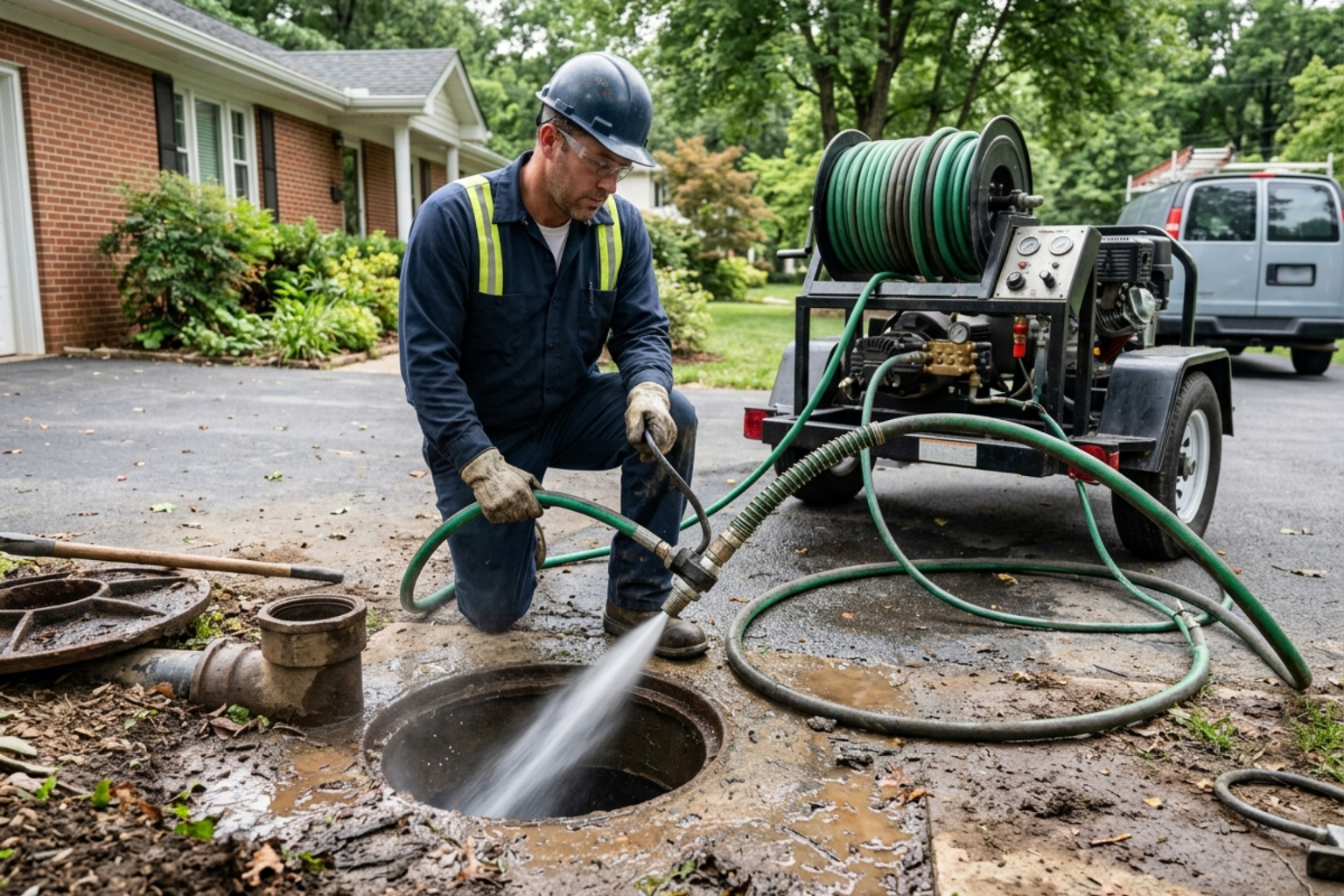
Sometimes, DIY isn’t enough. In Anchorage, we often deal with unique challenges like tree roots seeking moisture in sewer lines or older pipes with significant scale buildup. When the snake comes back clean but the water still won’t move, it is time for the heavy hitters.
Hydro Jetting and Camera Inspections
If you have recurring clogs, we recommend a video inspection. We feed a high-definition camera into your lines to see exactly what is happening. Often, the solution is high-pressure hydro jetting. This isn’t just a snake; it is a blast of water at up to 4,000 PSI that scours the pipe walls clean, removing grease, minerals, and even small tree roots.
Prevention: Keep the Clogs Away
You can avoid 90% of plumbing emergencies with these simple habits:
- Strainers are Mandatory: Use mesh strainers in every tub and shower to catch hair. Clean them weekly.
- The “No Grease” Rule: Never pour cooking oil or bacon grease down the sink. Even with hot water, it eventually cools and turns into a “fatberg” in your pipes.
- Flush Tests: Periodically fill your sinks and tubs and release the water all at once. The weight of the water helps flush out minor sediment.
- Monthly Maintenance: A cup of baking soda and hot water once a month keeps the walls of your pipes slick.
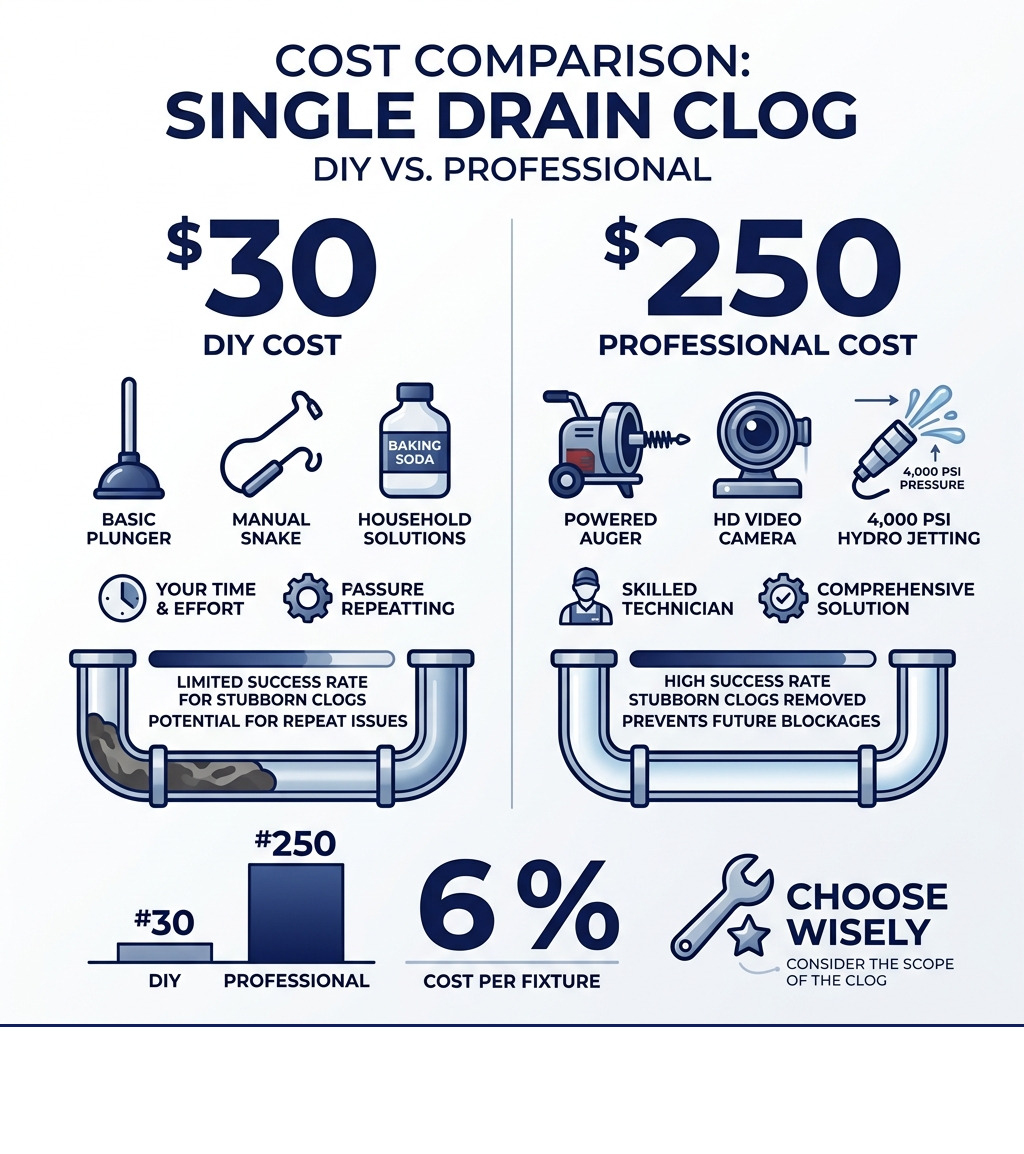
Deciding between DIY and professional clearing usually comes down to time and tools. If you’ve spent more than two hours on a single drain, or if you’re dealing with clogged drain emergencies like a sewage backup, it’s safer and often cheaper in the long run to call for help.
Frequently Asked Questions
How can I tell if my main sewer line is clogged?
The biggest red flag is “cross-talk” between fixtures. If you run the washing machine and the toilet starts gurgling, or if water backs up into the shower when you sink-plunge, the clog is likely in the main line. This requires specialized main line clearing services because a standard plunger won’t reach the blockage.
Are chemical drain cleaners safe for my pipes?
In short: no. Most contain sulfuric acid or sodium hydroxide. These chemicals generate intense heat to melt clogs, which can soften PVC pipes or cause older metal pipes to corrode and leak. They are also terrible for septic systems and the environment. We always recommend mechanical clearing (plunging/snaking) or natural enzymatic cleaners instead.
Why does my drain keep clogging even after I clear it?
If you clear a clog and it returns a week later, you likely didn’t remove the whole thing. A snake might just poke a small hole in a mass of grease, which then traps more debris and closes back up. It could also indicate structural issues like a bellied pipe or root intrusion. In these cases, stopping repeat clogs requires a more thorough cleaning, like hydro jetting, to restore the pipe to its original diameter.
Conclusion
Clearing stubborn drain clogs is a skill every homeowner should have, but knowing your limits is just as important. While a plunger and a bit of baking soda can solve most Saturday morning headaches, some blockages require the industrial-strength tools that only a professional carries.
At Drain Masters, we’ve spent over 20 years serving the Anchorage community. As a family-owned business, we pride ourselves on upfront pricing and a “fix it right the first time” mentality. We perform over 4,000 jobs a year, using advanced diagnostic tools like fiber-optic cameras to ensure your pipes aren’t just clear, but healthy.
If you’ve tried the snake, the plunger, and the vinegar, and that water still won’t budge, don’t risk damaging your plumbing. Our team is ready to provide professional sewer clearing and cleaning to get your home back to normal fast. Give us a call today and let us take the “stubborn” out of your drain clogs.