
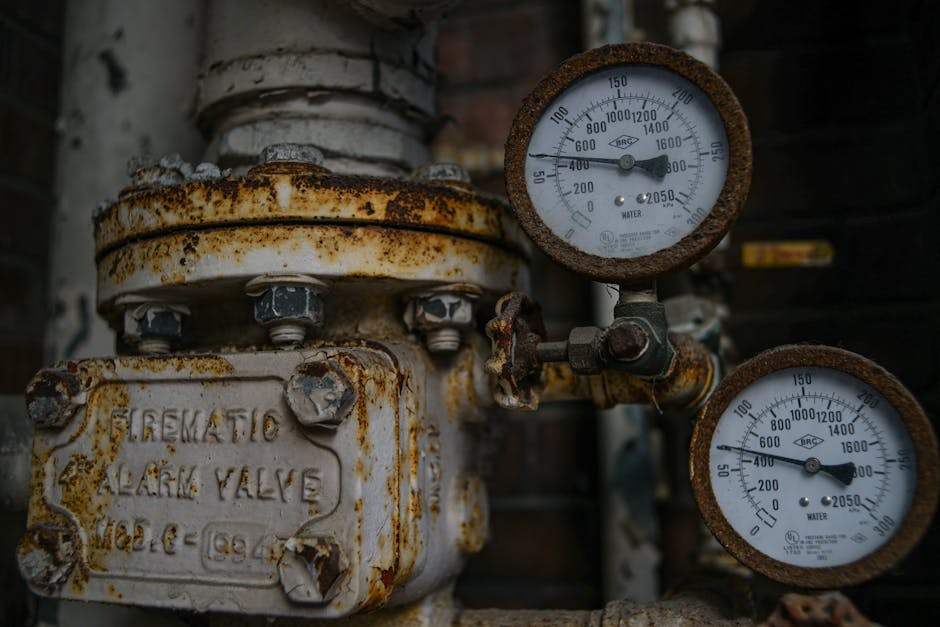
Understanding Pressure Relief Valve Leaks and Their Causes
Pressure relief valve leaks are one of the most common water heater issues Anchorage homeowners face, and they range from a minor drip to a serious safety warning.
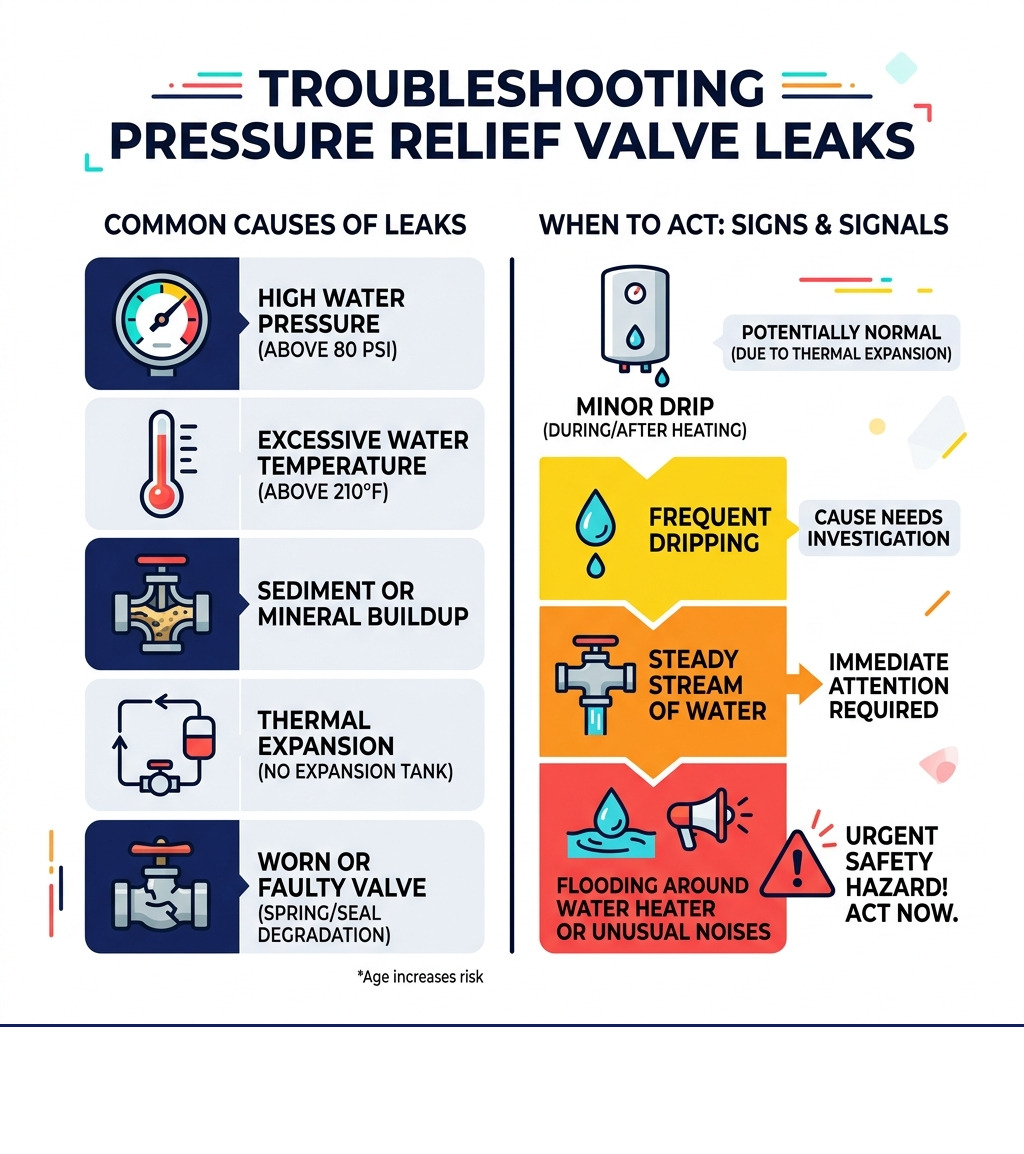
The most common causes of a pressure relief valve leak are:
- Excessive water pressure above 80 PSI
- High water temperature above 210°F
- Sediment or mineral buildup preventing the valve from sealing properly
- Thermal expansion in closed plumbing systems without an expansion tank
- A worn or faulty valve with degraded internal springs or seals
- A valve over 10 years old, which carries a 30% higher risk of failure
Most leaks fall into one of two categories: the valve doing its job by releasing pressure, or the valve itself failing. Knowing which one you’re dealing with is the first step to fixing it safely.
A small drip during or after a heating cycle can be normal. A steady stream, unusual noises, or flooding around your water heater? That’s a sign something needs attention right away.
I’m Debra Blouin, General Manager of Drain Masters, and over my two decades in the plumbing industry I’ve seen how often pressure relief valve leaks go unaddressed until they cause real damage. In this guide, I’ll walk you through exactly how to diagnose what’s happening with your valve and what to do about it.
A pressure relief valve, often called a T&P (Temperature and Pressure) valve, is the unsung hero of your plumbing system. Its entire purpose is to prevent your water heater from turning into a rocket. If the internal pressure hits 150 PSI or the temperature reaches 210 degrees Fahrenheit, this spring-loaded valve opens to discharge water and lower the internal stress on the tank.
When you notice pressure relief valve leaks, it is usually a symptom of a larger problem. One of the most frequent culprits is excessive water pressure. If your home’s incoming water pressure is too high, it keeps the valve right on the edge of opening.
Thermal expansion is another major factor. When water is heated, it expands. In older “open” systems, this extra volume could push back into the city water main. However, most modern Anchorage homes have “closed” systems with check valves or regulators. Without a place for that expanding water to go, the pressure spikes, forcing the T&P valve to weep.
Sediment buildup is the “silent” cause. Over time, minerals like calcium and magnesium settle at the bottom of the tank and can even migrate into the valve itself. If a piece of grit gets stuck in the valve seat, it won’t be able to close all the way, leading to a persistent drip. You can learn more about the specific mechanics of why these valves discharge to better understand the physics at play. If the source of the water isn’t clear, we often recommend professional leak detection services to ensure the tank itself isn’t the problem.
Identifying Failure in Valves Over Ten Years Old
In our experience serving the Anchorage community, we have found that time is the greatest enemy of plumbing safety. Most T&P valves have a reliable lifespan of about five to seven years, though many stay in service much longer. Once a valve crosses the ten year mark, the internal components begin to suffer from fatigue.
The spring that holds the valve shut can lose its tension, or the rubber seal can become brittle and cracked. Research shows that valves over 10 years old have a 30% higher likelihood of failure compared to newer models. If your water heater is a decade old and you see a drip, it is often more cost-effective to replace the valve entirely rather than trying to clean it. You should keep an eye out for telltale signs of a failing valve, such as rust around the threads or a lever that feels “mushy” when you touch it.
Safety Risks of Ignoring Pressure Relief Valve Leaks
Ignoring a leaking valve is a bit like ignoring a smoke detector with a low battery. It might just be an annoying noise now, but it represents a failure in a critical safety system. Statistics indicate that relief valve failures are a leading cause of industrial and residential accidents, with roughly 20% of incidents linked to poor maintenance.
Beyond the rare but real risk of a tank explosion, there are more common “slow motion” disasters. A constant leak can lead to significant water damage in your utility room, rotting out floorboards and inviting mold growth. In our cold Anchorage climate, moisture trapped in a dark basement or closet can become a health hazard quickly. Addressing these issues through timely plumbing repairs is the best way to protect both your property and your family.
Troubleshooting Your Leaking Pressure Relief Valve Step-by-Step
Before you start poking at your water heater, safety is paramount. If the valve is gushing water, it’s an emergency. If it’s just a drip, follow these steps to see if you can resolve it yourself.
| Symptom | Likely Cause | Action Needed |
|---|---|---|
| Occasional drip during heating | Thermal Expansion | Install/Check Expansion Tank |
| Constant slow drip | Sediment or Worn Seal | Flush Valve or Replace |
| Steady, heavy stream | High Pressure or Failed Valve | Call a Plumber Immediately |
| Whistling or Screeching | Extreme Pressure | Shut off Water and Power Now |
- Power and Water Shutoff: For electric heaters, flip the breaker. For gas heaters, turn the dial to “Pilot.” Close the cold water supply valve leading into the tank.
- The Manual Test: Place a bucket under the discharge pipe. Briefly lift the manual lever on the T&P valve. You should hear a rush of water. Let go; the valve should snap shut and the water should stop completely.
- Flushing Debris: If the valve continues to drip after the test, there might be sediment stuck in the seat. Open and close the lever a few times in quick bursts to try and “flush” the grit out.
- Temperature Check: Ensure your water heater is set to no more than 120 degrees Fahrenheit. Higher temperatures increase pressure and the risk of scalding.
For a more in-depth look at fixing water heater leaks, you can follow detailed diagnostic procedures to narrow down the fault.
Managing Pressure Relief Valve Leaks with Expansion Tanks
If your valve only leaks while the water heater is actively heating, you likely have a thermal expansion issue. This is especially common in Anchorage homes that have a pressure-reducing valve (PRV) on the main water line. The PRV creates a “closed loop,” meaning when the water expands as it gets hot, it has nowhere to go.
The solution is a thermal expansion tank. This is a small, basketball-sized tank installed on the cold water line above the heater. Inside is a rubber diaphragm with pressurized air on one side. When water expands, it pushes into the tank, compressing the air instead of forcing your relief valve open. If you already have one and the valve is still leaking, the tank might be “waterlogged” (meaning the diaphragm has failed). You can learn how to stop a constant drip by checking the air pressure in your expansion tank with a standard tire gauge.
Ideal Residential PSI to Prevent Pressure Relief Valve Leaks
Your home’s water pressure should ideally sit between 40 and 80 PSI. Anything over 80 PSI is considered “high” and will put unnecessary stress on your pipes, faucets, and, you guessed it, your pressure relief valve.
You can check this yourself by buying a simple pressure gauge at a hardware store and attaching it to an outside hose bib or your laundry sink faucet. If the needle climbs past 80, your main pressure regulator may need adjustment or replacement. We often help homeowners troubleshoot home water pressure issues to prevent leaks before they start. Conversely, if you are dealing with low water pressure, that is a separate issue usually related to clogs or pipe sizing, but it rarely causes a relief valve to leak.
When to Replace Your Relief Valve Safely
If flushing the valve and checking the pressure didn’t stop the leak, it’s time for a replacement. This is a job many DIY-savvy homeowners can handle, but it requires precision.
First, you must buy the exact same rating as your old valve, usually 150 PSI and 210°F. To replace it:
- Shut off the power and water.
- Drain several gallons of water out of the tank so the water level is below the valve port.
- Unscrew the discharge pipe, then unscrew the old valve.
- Apply two to three wraps of Teflon tape to the threads of the new valve.
- Screw it in securely, but do not over-tighten, as this can damage the tank’s lining.
While you are at it, consider the overall health of your unit. Regular water heater maintenance can extend the life of your tank significantly. If your tank is over 12 years old and showing signs of rust, it might be the right time to look into upgrading to a tankless water heater, which eliminates many of the pressure issues associated with large storage tanks.
Frequently Asked Questions about Relief Valves
Is it normal for a valve to drip occasionally?
Yes, a tiny bit of “weeping” can be normal, especially if you just used a lot of hot water (like after three back-to-back showers). As the tank heats a large volume of cold water, the expansion might cause a small release. However, this should only be a few drops. If you find a puddle every day, it’s a sign that your expansion tank is failing or your pressure is too high.
Can I just tighten the valve to stop the leak?
Never try to stop a leak by tightening the valve’s internal components or capping the discharge pipe. This is incredibly dangerous. The valve needs to be able to open freely to prevent a tank explosion. Tightening the spring mechanism can prevent it from opening at the set safety threshold. If the leak is coming from the threads where the valve meets the tank, you can try tightening the valve body slightly, but if the leak is coming from the discharge pipe, the valve must be cleaned or replaced.
What are the signs of a valve emergency?
You should act immediately if you hear whistling, screeching, or “chattering” sounds coming from the water heater. This indicates that the tank is under extreme pressure and the valve is struggling to keep up. Other emergency signs include a heavy, non-stop flow of scalding hot water or steam. In these cases, follow emergency response steps by safely shutting off the energy source (gas or electric) and the water supply from a distance if possible, then calling for help.
Conclusion
Dealing with pressure relief valve leaks can be stressful, but most of the time, it’s a fixable issue that serves as a helpful warning for your home’s plumbing health. Whether it’s a simple case of sediment buildup or a need for a new expansion tank, addressing the problem early saves you money and keeps your home safe.
At Drain Masters, we’ve been the trusted plumbing experts in Anchorage for over 20 years. As a family-owned and operated business, we pride ourselves on upfront pricing and using the most advanced tools to get the job done right the first time. We handle over 4,000 jobs a year, from simple valve swaps to complex sewer repairs.
If you’re unsure about the state of your water heater or that drip just won’t quit, don’t leave it to chance. You can schedule a professional water heater inspection with our team today and breathe easy knowing your home is in good hands.