
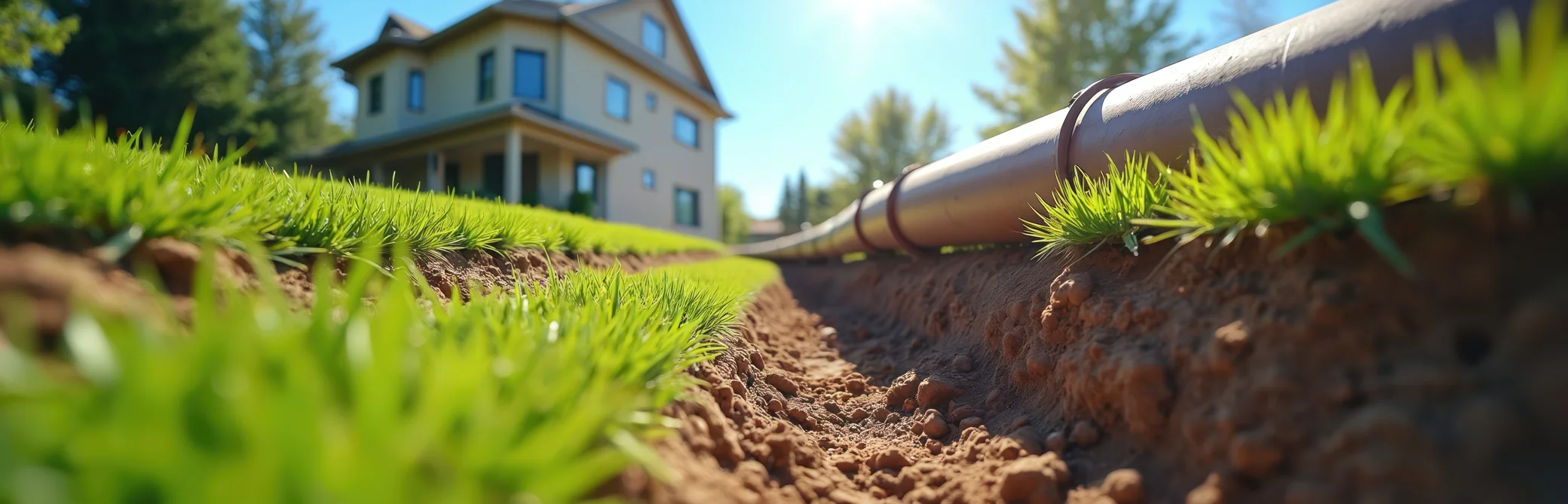
As the seasons change, you’ll start to notice some long-term wear and tear damage brought on by the winter months.
Your plumbing system was especially vulnerable to damage throughout the previous season due to Anchorage’s extremely cold outdoor temperatures. A spring drain line inspection will help you spot the damage and potential summer issues that commonly result from Alaskan winters.
Detect Winter Damage
Early spring is the ideal time for a drain line inspection because problems often become obvious as the snow melts and the soil softens. Additionally, moist soil will expand as it thaws, putting more pressure on your pipes.
Your plumber can use a sewer camera inspection to look for stress, cracks, and erosion of the line without excavating your property.
Can You Prevent Soil Expansion in the Spring?
While you can’t completely prevent soil expansion, there are things you can do to protect your home’s foundation and drain lines. Grading the soil on a slope away from your home will protect the foundation. French drains improve flow and keep your drain lines clear.
Additionally, keep your gutters clean and try extending downspouts so they reach farther away from the house.
Prevent Drain Backflow and Flooding
You probably know that drain emergencies are more common in the summer. That’s often because food scraps and waste collect in the lines. These foreign particles form thicker buildup on the inner walls of lines, slowing the flow of wastewater.
A drain line inspection will help your plumber identify this problem. When they spot drain buildup, they will provide drain cleaning before your home’s drains back up. This is the best way to prevent backflow, stubborn clogs, and flooding.
When Is the Best Time to Test the Sump Pump?
Alaskan homeowners should test their sump pumps in early spring. Flooding is more common during the thawing season, so you’ll want to make sure your sump pump can handle heavy use throughout this time of the year.
In addition to inspecting your plumbing system to spot blocked drain lines, your plumber can evaluate your sump pump’s condition.
Identify Root Invasion
Most people assume trees stop growing in cold weather since they lose their foliage and appear dead. However, the appearance of trees can be misleading. Many of Alaska’s common trees continue growing their roots all year round. In fact, tree roots dig deeper into the soil during winter to reach moisture and nutrients from the warmer layers of soil.
What does this mean for your plumbing and sewer lines? As tree roots dig deeper, they may press against sewer and drain lines until they puncture the pipes. These roots can form blockages that prevent the proper flow of wastewater. When your plumber conducts a drain line inspection, they will look for signs of tree root intrusion.
It’s Never Too Soon to Inspect Your Drain Lines
When you work with Drain Masters Anchorage, we’ll provide a comprehensive inspection of your drains and sewer line.
We use state-of-the-art technology to diagnose problems and complete repairs as efficiently as possible. We’ll help you restore smooth water flow and protect your entire plumbing system from erosion. Contact us to schedule immediate service.