
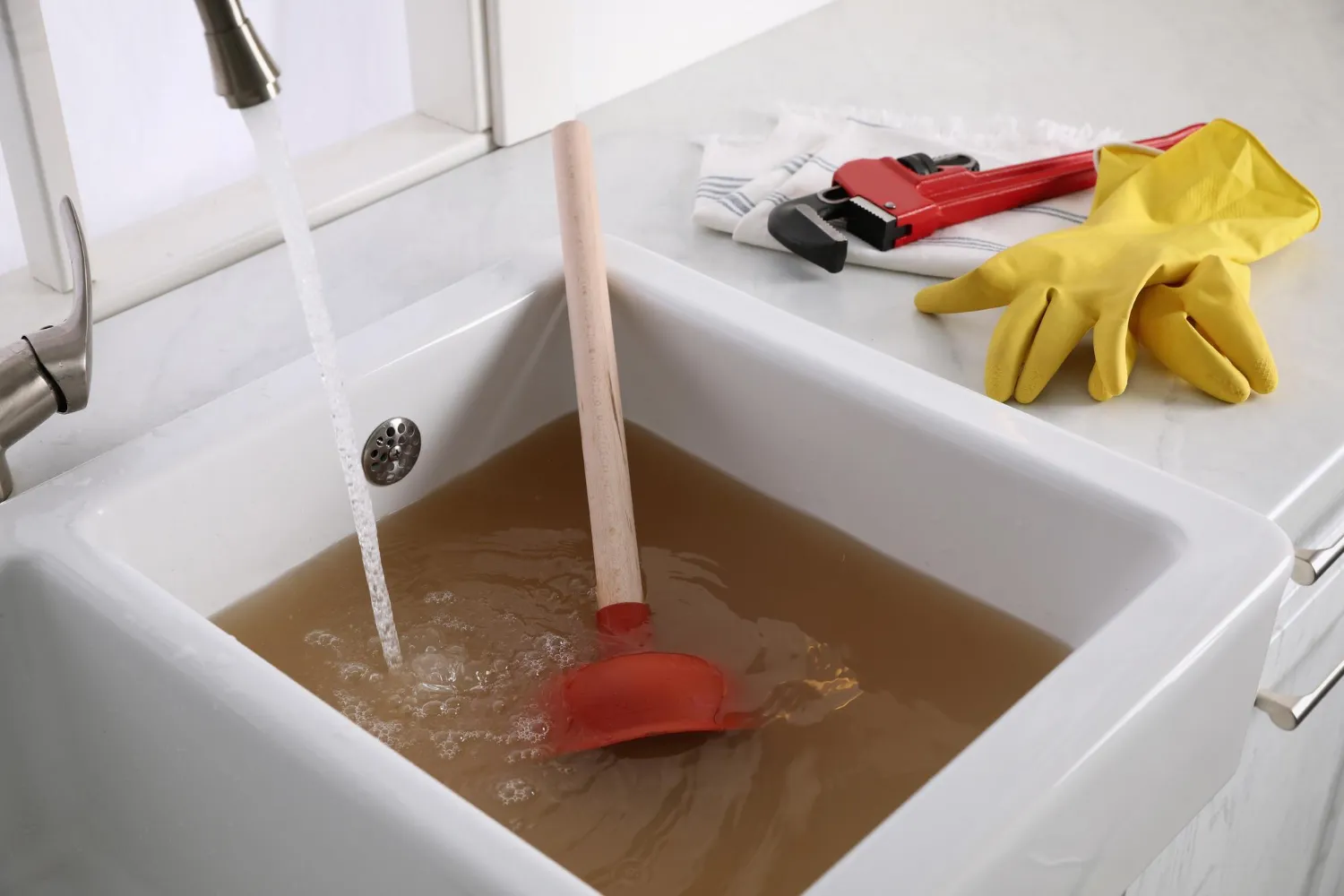
How Do I Clear a Clogged Drain That Keeps Coming Back?
A clogged drain that behaves for a few days, then suddenly backs up again, is more than a nuisance. It is usually a warning that something deeper is going on in your plumbing system, especially in an area like Anchorage, where cold temperatures and shifting soils are hard on pipes. In this article, we will walk through why repeat clogs happen, what Alaska’s climate has to do with it, and what options you actually have when simple drain cleaning is not cutting it anymore.
We will also explain why basic snakes only buy you time, how cameras and modern trenchless repairs help you finally solve the problem, and what everyday habits can keep your drains flowing longer. Our goal is to give you clear, homeowner-friendly information so you can feel in control instead of waiting for the next backup.
Why That “Fixed” Drain Keeps Clogging Again
When a clogged drain seems fixed for a short time, then plugs up again, it is often because the blockage was only opened enough to let water pass, not fully cleared from the line. Think of it like shoving a pencil through a snowbank. You make a small tunnel, water flows, but the snow is still sitting there waiting to collapse.
With drains, that looks like:
- A narrow channel cut through a thick grease plug
- Hair or debris pushed farther down instead of removed
- Roots sliced off in one area but still growing in from the sides
The difference between punching a hole and truly cleaning the pipe is how much of the pipe’s full diameter you restore. If most of the buildup, roots, or scale is left on the walls, they grab new waste fast, and the clog returns. That is why repeated clogs are not just annoying; they are usually a symptom of a bigger issue somewhere in the drain or main sewer line.
What Really Causes a Clogged Drain that Always Comes Back
Most recurring clogs trace back to one or more of these problems.
- Fats, oils, and grease (FOG): In Alaska’s colder climate, FOG cools fast, hardens, and coats pipe walls. Even if hot water seems to wash it away, it usually just moves and redeposits farther down.
- Scale buildup and aging pipes: Older Anchorage homes often have pipes with rough interiors from age and mineral buildup. Those rough spots grab toilet paper, hair, and food particles.
- Tree roots: Roots search for warmth and moisture in sewer lines, especially where joints or tiny cracks let out vapor. Once inside, they form dense mats that catch everything flowing past.
When you combine sticky grease, rough old pipe walls, and roots intruding at weak spots, you get the perfect setup for a clogged drain that always seems to come back, no matter how often you snake it.
How Alaska’s Climate and Soils Beat Up Your Drains
Anchorage has some unique ground and weather conditions that are not friendly to buried sewer lines. Permafrost and seasonal freeze-and-thaw cycles cause the soil to shift and heave. That movement puts stress on pipes, which can lead to:
- Offsets, where pipe joints no longer line up smoothly
- Cracks that let in roots and groundwater
- Bellies or dips where waste and water pool instead of flowing out
Cold temperatures also slow water flow and keep grease from staying liquid, so it sticks and hardens sooner. In low spots, the hardened grease mixes with solids, forming a recurring blockage. Once a belly or misalignment forms, you can clear the clog, but the pipe’s shape still invites the next one.
Why Snakes Clear Clogs but Do Not Truly Clean Drains
Basic drain snakes are helpful tools, and we use them when they make sense, but it is important to understand what they actually do. A standard cable with a cutting head or small attachment usually:
- Punches a hole through a soft blockage
- Drills or scrapes enough debris to restore some flow
- Sometimes grabs hair or rags to pull them back
What it does not do is wash the full pipe wall from end to end. Grease, roots along the sides, and heavy scale usually stay behind. That leftover material makes the pipe smaller inside and gives new debris plenty of surface area to cling to. Professional drain-cleaning methods, such as high-pressure water jetting or specialty tools, are designed to scour a greater portion of the pipe diameter and remove as much buildup as possible. Without that deeper cleaning, you are often just buying yourself a little time until the next clog.
When Cleaning Is Not Enough, and You Need to Look Deeper
If you keep calling for drain clearing on the same line, it is a strong sign that there is a structural problem in the pipe itself. Some warning patterns include:
- Backups returning in weeks or months instead of years
- Multiple fixtures acting up at the same time
- Gurgling sounds or sewer odors coming from several drains
When we see that, we recommend a camera inspection. A video-camera run through the line can reveal cracked sections, offsets, bellies, and heavy root intrusion that a snake will never fix. With clear footage, we can provide same-day documentation, including:
- Video clips or images of problem areas
- Simple explanations of what you are seeing
- Written estimates that outline repair options
That kind of information makes it easier to decide whether to keep clearing, repair a section, or plan a more permanent solution.
Modern Repair Options: Epoxy Coating, CIPP Lining, or Digging
Once we know what your pipe looks like, we can discuss repair options. Trenchless methods are often a good fit for damaged or worn-out sewer lines.
Two common approaches are:
- Epoxy coating: A resin is applied to the pipe interior, then cured to form a smooth new surface that helps seal small leaks and reduce roughness.
- Cured-in-place pipe (CIPP) lining: A flexible liner saturated with resin is inserted into the existing pipe, expanded, and cured. It becomes a new pipe inside the old one.
Trenchless rehabilitation can be a smart choice when:
- The existing pipe still has enough structure to support a liner
- You want to avoid tearing up driveways, landscaping, or frozen ground
- The damage is spread out instead of limited to one tiny spot
Full replacement is usually the better long-term fix when sections are collapsed, severely offset, or missing altogether. For Anchorage homeowners, trenchless options often mean less yard disruption and quicker return to normal use, especially when the ground is frozen or saturated.
How to Tell if Your Sewer Needs Rehab or Full Replacement
There are several warning signs that your main sewer is failing, not just clogged.
Watch for:
- Constant backups in different fixtures, especially on the lowest level
- Frequent sewer smells around drains or outside near the sewer line path
- Drains that gurgle or bubble when other fixtures are used
When we evaluate a system, we look at:
- Pipe age and material
- The location and severity of damage
- The layout of the line and access points
From there, we can recommend repair vs. full replacement and explain multiple options with upfront pricing. Having choices helps you balance long-term reliability, your current budget, and the level of disruption to your home and yard you are comfortable with.
Why a Full-System Evaluation and Preventive Habits Matter
At Drain Masters, we focus on homeowners in Anchorage and surrounding areas, so we take the time to assess how your entire drain and sewer system is functioning, not just the one fixture acting up. A full-system evaluation on every call can:
- Catch early issues before they turn into emergency backups
- Identify patterns, like frequent clogs downstream of a pipe belly
- Help you plan ahead for aging pipes rather than react to surprise failures
We also believe it matters who comes to your home. Knowing your technician’s name, seeing a photo and a short bio, and having a clear arrival window can lower the stress that already comes with a clogged drain.
To reduce the chance of the next backup, we usually recommend simple, practical habits:
- Never pour fats, oils, or grease down the drain, even with hot water
- Use drain strainers to catch hair and food particles
- Keep wipes, even “flushable” ones, out of toilets
- Schedule periodic professional cleaning for older or heavily used lines
If you are dealing with an active backup while you wait for help, avoid running water or flushing toilets, keep kids and pets away from affected areas, and do not use store-bought chemicals, which can be unsafe for both you and your plumbing.
Taking recurring clogs seriously, getting a clear look inside the line, and pairing professional cleaning with the right repairs will put you back in charge of your home’s plumbing, rather than waiting nervously for the next overflow.
Stop Drain Problems Before They Become Emergencies
If you are dealing with a clogged drain, we are ready to clear it quickly and help prevent future backups. At Drain Masters, we use professional tools and proven methods to get your drains flowing the way they should. Reach out today so we can assess the issue and recommend the right solution. For fast scheduling and answers to your questions, please contact us.